
Purebred vs mixed breed dogs - which is healthier? The answer might surprise you! After 16 years as a vet, I can tell you that mixed breed dogs generally have fewer genetic health issues than their purebred counterparts. Why? It's all about that genetic diversity! While purebreds offer predictability in looks and temperament, mutts benefit from what we call hybrid vigor - a natural advantage from their varied ancestry.Now, don't get me wrong - I'm not saying purebreds are unhealthy. A well-bred purebred from a responsible breeder who does genetic testing can be just as healthy as any mutt. But here's the kicker: you've got to do your homework. Too many purebred puppies come from breeders who prioritize profit over health, leading to preventable genetic conditions. Let's dig into what really makes these dogs different and how you can make the best choice for your family!
E.g. :5 Essential Tips to Improve Your Horse's Quality of Life Today
- 1、Purebred vs Mixed Breed: What's the Real Difference?
- 2、The Great Health Debate: Mutts vs Purebreds
- 3、Why Some Purebreds Struggle More
- 4、Smart Strategies for Healthy Dogs
- 5、Final Thoughts on Canine Health
- 6、The Hidden Costs of Dog Ownership
- 7、The Emotional Investment You Didn't See Coming
- 8、Training Realities vs. Instagram Expectations
- 9、Breed-Specific Quirks That Surprise New Owners
- 10、The Unexpected Joys You Can't Predict
- 11、FAQs
Purebred vs Mixed Breed: What's the Real Difference?
The Paper Trail of Purebreds
You know those fancy dogs with official papers? That's what makes a purebred. The American Kennel Club keeps records showing both parents come from the same breed lineage. It's like having a family tree that goes way back - if all the branches look identical, you've got a pedigreed pup!
Here's the thing about purebreds - humans carefully select them for specific traits. Breeders match dogs based on size, personality, coat type, and color. It's like creating living artwork through generations of selective breeding. But this precision comes at a cost - limited genetic diversity that can lead to health issues down the road.
The Wonderful World of Mutts
Now let's talk about mixed breeds - nature's surprise packages! These pups come from parents of different breeds, often with unknown ancestry. No papers, no pressure, just good old genetic variety.
But wait - there's a third category you might not know about! Hybrid dogs are intentional mixes of two purebred parents from different breeds. Think Goldendoodles (Golden Retriever + Poodle) or Maltipoos (Maltese + Poodle). Some breeders even create multi-generation hybrids, though whether this improves health remains debatable.
| Type | Definition | Genetic Diversity |
|---|---|---|
| Purebred | Both parents same breed with papers | Low |
| Mixed Breed | Parents of different breeds | High |
| Hybrid | Intentional mix of two purebreds | Medium |
The Great Health Debate: Mutts vs Purebreds
 Photos provided by pixabay
What the Experts Say
Ask any mutt owner about health, and they'll swear their dog is healthier. Ask a responsible breeder, and they'll point to all their genetic testing. So who's right?
After 16 years of veterinary practice, here's what I've observed: mixed breeds generally have fewer inherited conditions like hip dysplasia, certain cancers, and back problems. They tend to be tougher cookies with longer lifespans. But does this mean purebreds are doomed? Not at all - it's all about responsible breeding practices.
The Genetic Lottery
Here's a question to chew on: Why play genetic roulette when you can stack the deck? Mixed breeds naturally have more genetic variety, which means fewer chances of inheriting problematic traits. It's like having backup systems - if one gene has an issue, there's often another that works fine.
The explanation is simple: purebreds come from a smaller gene pool. When breeders focus too much on specific physical traits rather than health, problems can multiply. But with mixed breeds, nature keeps things interesting and often healthier!
Why Some Purebreds Struggle More
The Popularity Problem
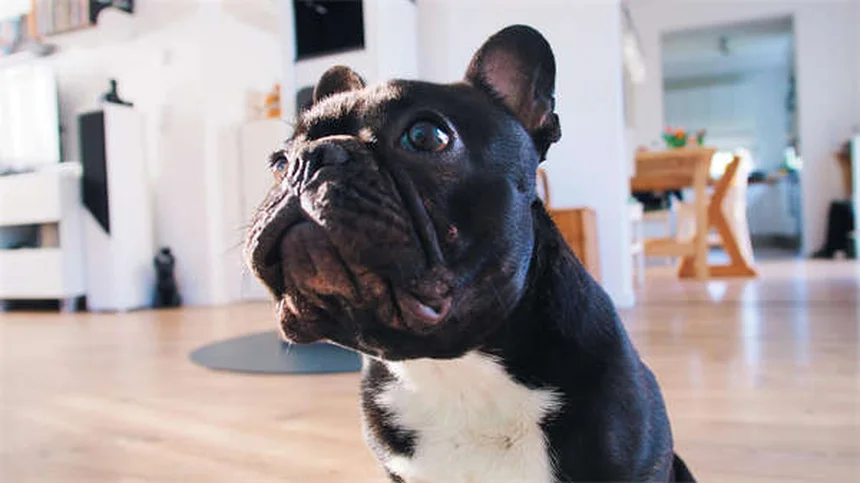
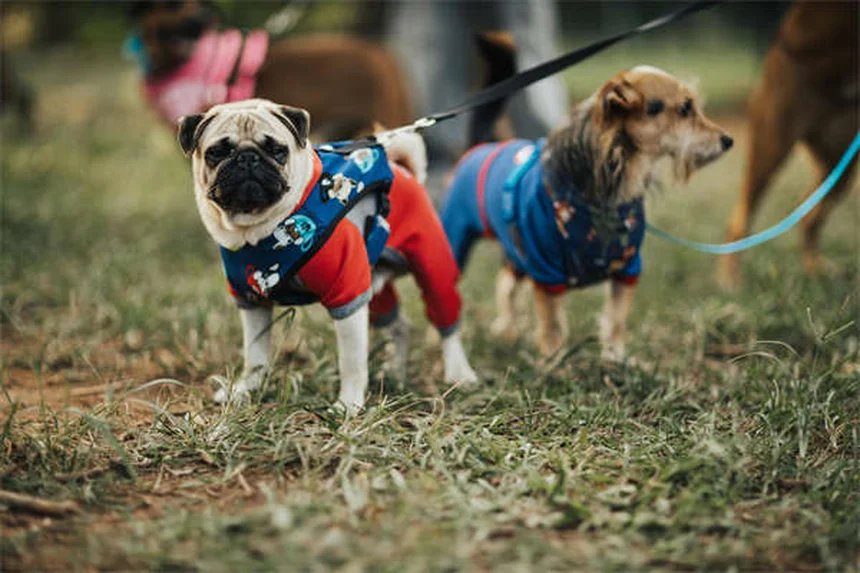
Ever notice how the most popular kids in school often have the most drama? The same goes for dog breeds. Labrador Retrievers and Golden Retrievers - America's sweethearts - commonly face skin allergies, ear infections, and hip issues. Short-nosed breeds like Pugs and Bulldogs? They've got their own set of challenges unless bred very carefully.
Here's the kicker: popularity leads to overbreeding. When demand is high, some breeders cut corners. They might skip health testing or breed dogs too closely related. It's a recipe for passing on genetic problems to puppies who don't deserve them.
 Photos provided by pixabay
What the Experts Say
Let me tell you about Max, a purebred Bulldog puppy whose owners paid top dollar. At his first checkup, we discovered three different genetic conditions the breeder never mentioned. His family was devastated - they'd done their research, or so they thought.
This happens more than you'd think. Unethical breeders and pet stores often prioritize profit over puppy health. They count on your excitement clouding your judgment. That's why I always say: fall in love with the breeder before you fall for the puppy.
Smart Strategies for Healthy Dogs
Choosing a Purebred Puppy
Want a purebred without the health worries? Here's your game plan:
1. Find breeders who test for common genetic diseases in their lines
2. Ask to see health clearances for both parents
3. Visit the breeding facility - no backyard operations!
4. Be prepared to pay more - quality costs, but vet bills cost more
Remember, a good breeder will ask you as many questions as you ask them. They'll want to know about your lifestyle, experience with dogs, and how you'll care for their puppy. If they're just pushing for a quick sale, walk away.
DNA Testing: Your Secret Weapon
Got a mixed breed and curious about their health risks? Modern science has your back! Simple cheek swab tests like Embark or Wisdom Panel can reveal your dog's genetic makeup and potential health concerns.
Here's why this matters: knowing your dog's risks lets you prevent problems before they start. If they're prone to joint issues, you can manage their weight early. If they might develop certain cancers, you know what symptoms to watch for. It's like having a crystal ball for your dog's health!
Final Thoughts on Canine Health
 Photos provided by pixabay
What the Experts Say
Whether you choose a purebred with papers or rescue a mystery mix, what matters most is giving them a healthy, happy life. Purebreds bring predictability in size and temperament. Mixed breeds offer genetic diversity and often fewer health issues. There's no perfect choice - just the right choice for your family.
One last piece of advice? Don't let looks be your only guide. That adorable wrinkly face or fluffy coat might steal your heart, but make sure there's a healthy dog behind those features. After all, we want our furry friends with us for as long as possible!
The Bottom Line
Here's what I tell all my clients: Do your homework, ask tough questions, and trust your gut. A good breeder or shelter will welcome your curiosity. And remember - whether your dog has a five-generation pedigree or came from who-knows-where, they'll love you just the same. That's the beauty of dogs!
The Hidden Costs of Dog Ownership
Vet Bills That Will Make Your Wallet Howl
You think buying the dog is the expensive part? Think again! That first year of puppy shots alone can cost more than your monthly car payment. I've seen too many families shocked when their $500 shelter dog needs $3,000 in emergency care.
Let me break it down for you - routine vet visits, vaccinations, flea/tick prevention, and heartworm medication add up fast. And heaven forbid your pup swallows something they shouldn't (which they always do). Emergency surgeries can run $5,000-$10,000 easily. Pet insurance isn't just for rich folks anymore - it's becoming as essential as car insurance for responsible owners.
Grooming: More Than Just a Pretty Face
Ever wonder why Poodle owners always look so put together? Because they're spending $80 every 6 weeks on grooming! Long-haired breeds need regular trims unless you want your living room looking like a fur factory.
But here's what most first-time owners don't consider - even short-haired dogs need nail trims, ear cleaning, and dental care. Those $15 nail clippers from PetSmart? Good luck using them on a squirmy 80-pound Lab without drawing blood. Professional groomers earn every penny of their $50-$100 fees, trust me.
The Emotional Investment You Didn't See Coming
Separation Anxiety Goes Both Ways
Who's really training who here? That puppy you got to keep you company might develop separation anxiety - or worse, you might develop separation anxiety from your dog! I've had clients call me in tears because they can't bear to leave their new puppy alone for even an hour.
Dogs change your social life more than having kids sometimes. Spontaneous weekend trips? Forget about it. Late nights at the office? Better have a dog walker on speed dial. That furry little bundle of joy becomes your new priority faster than you can say "sit."
The Heartbreak You Can't Prepare For
Here's the hardest truth no one wants to talk about - dogs don't live nearly long enough. Whether you get 8 years or 18, saying goodbye will wreck you in ways you can't imagine. The deeper the love, the deeper the grief - and dogs have a PhD in making us love them unconditionally.
But you know what? Every tear is worth it. The joy, the laughter, the sloppy kisses and warm cuddles - they make the pain bearable. Just be ready for that emotional rollercoaster when you sign up for dog ownership.
Training Realities vs. Instagram Expectations
That Perfect Puppy You Saw Online? Fake News
Social media has ruined realistic expectations for new dog owners. Those viral videos of dogs doing laundry? Probably the 157th take after hours of training (and some creative editing). Real dogs chew shoes, pee on carpets, and bark at squirrels like it's their job.
Professional trainers charge $100-$200 per session because behavior modification takes skill and patience. That "easy" Border Collie you wanted? Might need 3 hours of daily exercise just to prevent destructive behaviors. Even "beginner-friendly" breeds like Labs can be handfuls when they're young.
The Leash-Pulling Olympics
Ever seen someone get dragged down the street by their 10-pound terrier? It's both hilarious and tragic. Leash manners don't come naturally - they require consistent training that most owners give up on after two frustrating walks.
Here's a pro tip: if you think you can outmuscle your dog, think again. My 130-pound mastiff mix could pull me like a sled dog when he caught a scent. Proper leash training isn't optional - it's essential for your shoulders and your dignity.
Breed-Specific Quirks That Surprise New Owners
The Shedding Shock
"But the breeder said Goldens don't shed much!" - said no experienced Golden owner ever. Some breeds shed enough to make a whole second dog daily. Huskies? They "blow coat" twice a year, meaning your entire house becomes a winter wonderland of fur.
And let's talk about drool. Great Danes and Mastiffs don't just drool - they create puddles worthy of a mop bucket. That cute wrinkly face on your Bulldog? Those folds need daily cleaning to prevent infections. Breed characteristics go way beyond looks!
The Energy Miscalculation
Why do high-energy breeds end up in shelters so often? Because people see a cute Jack Russell Terrier and think "apartment-sized dog" without considering "marathon runner personality." These little athletes need serious exercise or they'll redecorate your home - with your shoes.
On the flip side, that majestic Great Dane you wanted as a jogging partner? Might be content with two short walks a day. Energy levels vary wildly even within breeds, so do your research beyond the AKC description.
The Unexpected Joys You Can't Predict
Your New Social Life
Who knew getting a dog would make you more popular than your college frat days? Suddenly, you're part of the neighborhood dog walker crew, exchanging treats and gossip at the park. Dogs are better than Tinder for making friends - no awkward small talk when you've got a furry wingman.
And let's talk about the compliments! Strangers will stop you constantly to admire your pup. Your Instagram followers will double. You'll become "that person with the adorable dog" at work. It's like being famous without any of the hard work.
The Unconditional Love Factor
Bad day at work? Your dog doesn't care. Gained quarantine weight? Your dog thinks you're perfect. Failed that promotion? Your dog still wags their tail like you're the CEO of treats. Dogs provide emotional support we don't even know we need until we have it.
That moment when your dog rests their head on your lap after a long day - it erases every chewed shoe, every vet bill, every 6am walk in the rain. The love is so pure it almost hurts. And that's why, despite all the challenges, we keep bringing these wonderful creatures into our lives.
E.g. :Dog Health Issues: Do Mixed Breed Dogs Have an Advantage Over ...
FAQs
Q: What exactly makes a dog purebred?
A: A purebred dog isn't just about looks - it's about paperwork! The American Kennel Club requires documentation showing both parents are the same breed. Think of it like a canine family tree where every branch matches. Breeders carefully select these dogs for specific traits - size, coat type, temperament - through generations of selective breeding. But here's something many people don't realize: this precision comes at a cost. That limited gene pool is why some purebreds develop inherited health issues. When choosing a purebred, always ask to see the parents' health clearances - a responsible breeder will gladly provide them!
Q: Are hybrid dogs the same as mixed breeds?
A: Great question! While both involve different breeds, there's a key difference. Hybrid dogs are intentional first-generation crosses between two purebred parents (like Labradoodles), while mixed breeds typically have unknown ancestry. Here's why this matters: hybrids give you some predictability since you know both parent breeds, whereas mutts are complete genetic surprises! In my practice, I've seen hybrids combine the best traits of both parents, but they can also inherit health issues from either breed. The bottom line? Whether hybrid or mixed, genetic diversity usually means fewer inherited problems.
Q: Why do some purebred dogs have so many health problems?
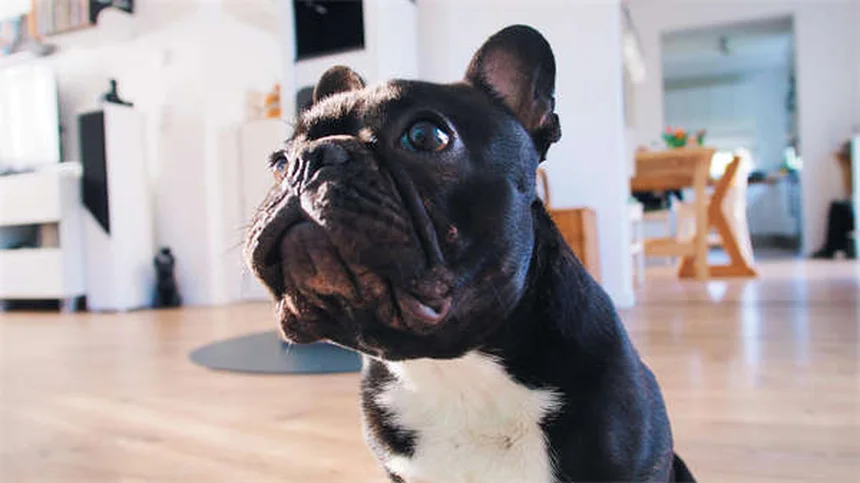
A: Let me break it down simply: popularity + poor breeding = problems. When certain breeds become trendy (looking at you, French Bulldogs!), unethical breeders rush to meet demand without proper health testing. They might breed dogs too closely related or prioritize physical traits over health. Take short-nosed breeds - that cute squished face often means breathing difficulties. The solution? Only buy from breeders who do genetic testing and can show you health clearances for multiple generations. Remember, you're not just paying for papers - you're paying for peace of mind!
Q: Can DNA tests really help me understand my dog's health risks?
A: Absolutely! Modern dog DNA tests like Embark or Wisdom Panel are game-changers. These simple cheek swabs can reveal your dog's breed mix and potential genetic health risks. Here's why I recommend them: knowledge is power! If you know your mutt has Labrador in them, you can watch for joint issues. If your purebred carries a gene for certain cancers, you can monitor for early signs. I've helped countless clients use this info to prevent problems before they start. Just remember - these tests are tools, not crystal balls. Use the results to inform your care, not predict your dog's future!
Q: How can I choose the healthiest puppy possible?
A: Whether you want purebred or mixed, follow my 3 P's rule: Patience, Proof, and Professionalism. First, don't rush - good breeders won't pressure you. Second, demand proof of health testing (for purebreds) or vet records (for rescues). Third, only work with professionals - reputable breeders who answer all your questions or shelters that fully vet their dogs. Here's my pro tip: visit where the puppy was raised. You'll learn more in 10 minutes there than from any website! And trust your gut - if something feels off, it probably is. Your future best friend is worth the extra effort!