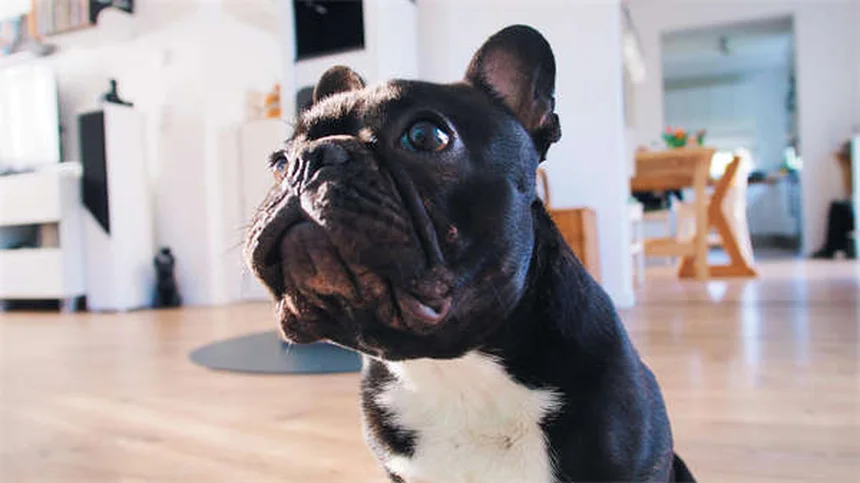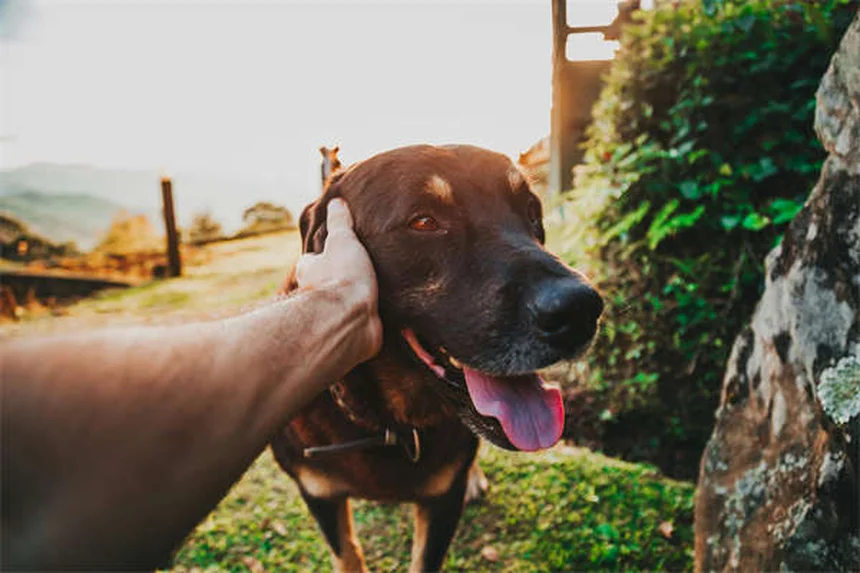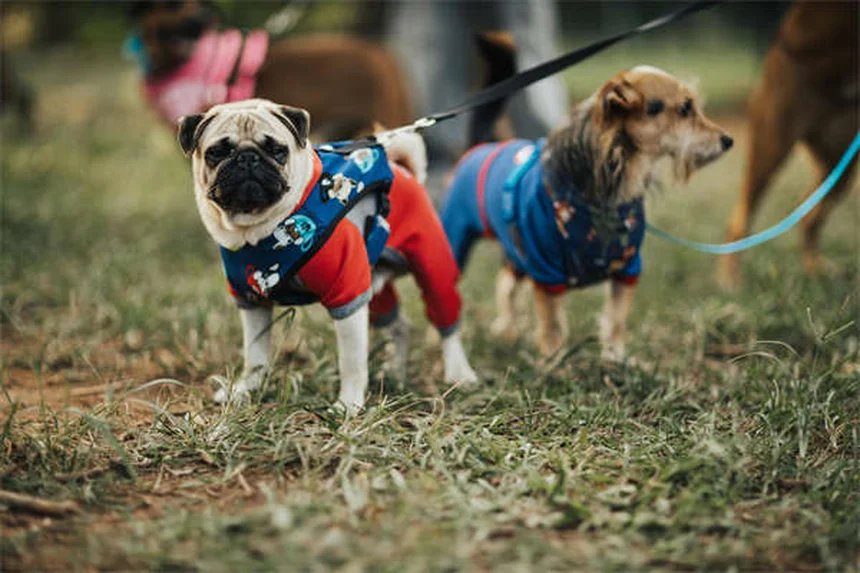

Wondering how to choose the right dog for your home? The answer is simple: it's all about matching your lifestyle with your pup's needs. I've helped hundreds of new pet parents find their perfect canine companions, and let me tell you - getting this right makes all the difference between a happy home and a stressful mess.You might be tempted by that adorable Border Collie puppy, but if you live in a small apartment and work 60-hour weeks, we've got a problem. The truth is, about 20% of dogs are returned to shelters because of poor lifestyle matches. That's why we're breaking down exactly what to consider - from energy levels to space requirements - so you can make the best choice for both you and your future furry friend.
E.g. :Do Dogs Copy Their Owners' Personalities? 5 Surprising Science-Backed Facts
- 1、Finding Your Perfect Canine Companion
- 2、Preparing Your Home for Puppy Parenthood
- 3、Health and Safety Essentials
- 4、Training and Socialization
- 5、Long-Term Considerations
- 6、Beyond the Basics: Deepening Your Dog Ownership Experience
- 7、Nutrition: More Than Just Kibble
- 8、Mental Stimulation: Keeping Your Dog Engaged
- 9、Traveling and Adventures With Your Dog
- 10、FAQs
Finding Your Perfect Canine Companion
Does Your Lifestyle Match a Dog's Needs?
Let's be real - dogs aren't just cute Instagram accessories. They're living creatures with needs. Before falling for those puppy-dog eyes, ask yourself: "Can I actually provide what this dog requires?"
Think about your daily routine. If you're working 60-hour weeks or travel constantly, maybe consider a lower-maintenance pet. Fish are great listeners too! But if you're ready for the commitment, let's explore how to make it work.
Choosing the Right Breed for You
Not all dogs are created equal. Some need marathon-level exercise while others are happy with a quick walk around the block. Here's what to consider:
| Lifestyle | Recommended Breeds | Daily Exercise Needs |
|---|---|---|
| Apartment living | French Bulldog, Pug, Cavalier King Charles Spaniel | 30-45 minutes |
| Active outdoor life | Labrador, Border Collie, Australian Shepherd | 2+ hours |
| Busy professional | Bassett Hound, Shih Tzu, Greyhound | 20-30 minutes |
Ever wonder why some dogs seem miserable in certain homes? It's usually because their energy levels don't match their owner's lifestyle. A high-energy Border Collie in a tiny apartment is like keeping a racehorse in a closet!
Preparing Your Home for Puppy Parenthood
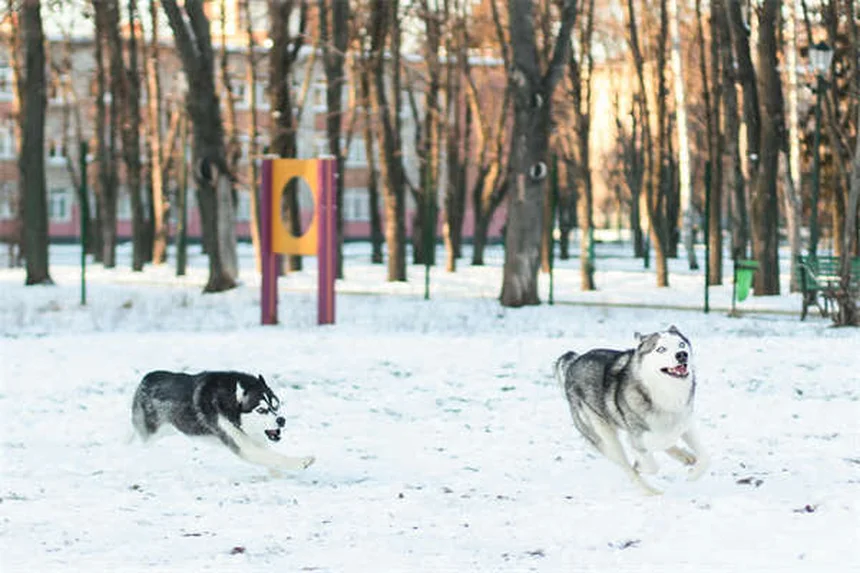 Photos provided by pixabay
Puppy-Proofing 101
Imagine a toddler with sharp teeth and no common sense. That's basically a puppy. Here's your survival guide:
• Move electrical cords out of reach (puppies love chewing these like spaghetti)
• Secure trash cans (they're basically puppy treasure chests)
• Store medications and cleaning supplies safely (childproof locks work great)
I learned this the hard way when my Labrador puppy ate an entire loaf of bread - packaging included. $500 vet bill later, I became much more careful about puppy-proofing!
The Essential Shopping List
Before bringing Fido home, you'll need some basics:
Must-haves:
• Quality food (ask your vet for recommendations)
• Comfortable bed (size matters!)
• Collar with ID tags (because escape artists happen)
• Chew toys (save your shoes!)
Nice-to-haves:
• Training treats (bribery works wonders)
• Grooming supplies (unless you enjoy hairy furniture)
• Pet insurance (trust me on this one)
Health and Safety Essentials
Vet Visits and Vaccinations
Did you know puppies need vaccinations every 3-4 weeks until they're about 16 weeks old? That's more doctor visits than most humans make in a year!
Here's the typical puppy vaccine schedule:
• 6-8 weeks: First round of shots
• 10-12 weeks: Booster shots
• 14-16 weeks: Final puppy vaccinations
• 1 year: Annual checkup and boosters
Pro tip: Keep all vaccination records in one place. You'll need them for boarding, dog parks, and emergencies.
 Photos provided by pixabay
Puppy-Proofing 101
Why should you consider spaying or neutering your dog? Besides preventing unwanted litters, it actually has health benefits:
• Reduces risk of certain cancers
• Decreases roaming behavior (no more "lost dog" posters)
• Often results in calmer temperament
The best time varies by breed and size, so consult your vet. Generally between 6-9 months is ideal for most dogs.
Training and Socialization
Housebreaking Without Losing Your Mind
Potty training is where many new dog owners want to pull their hair out. Here's what works:
1. Establish a routine (dogs thrive on consistency)
2. Take them out frequently (after meals, naps, and playtime)
3. Reward successes immediately (treats and praise work magic)
4. Clean accidents thoroughly (dogs will return to the same spot)
Remember - accidents will happen. My friend's puppy once peed on her laptop. She learned two lessons that day: always close your laptop, and enzymatic cleaners are worth every penny.
Socialization: More Than Just Dog Parks
Proper socialization means exposing your pup to different people, animals, and environments. The critical window is between 3-14 weeks.
Try these socialization exercises:
• Invite friends over (especially kids if you have them)
• Walk in different neighborhoods
• Introduce to vaccinated, friendly dogs
• Experience various sounds (traffic, vacuums, etc.)
A well-socialized dog is less likely to develop fear or aggression issues later. Think of it as giving your pup a toolkit to handle the world confidently.
Long-Term Considerations
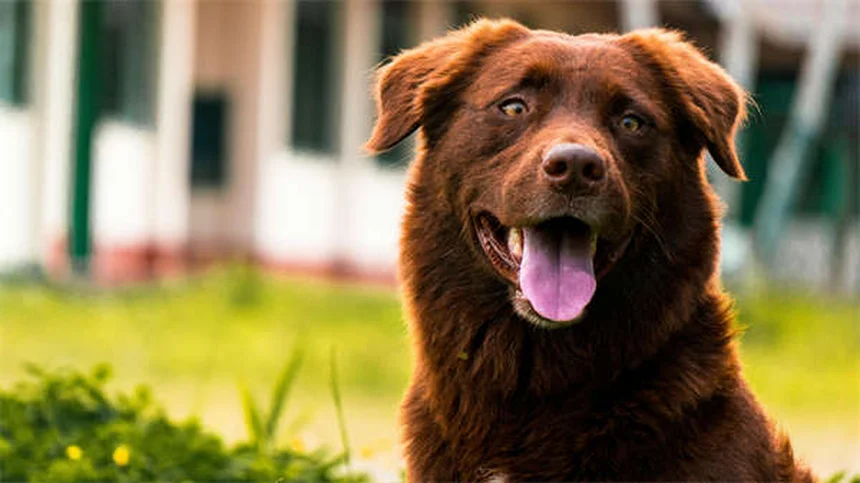 Photos provided by pixabay
Puppy-Proofing 101
Dogs aren't cheap - let's be honest. Here's a realistic breakdown of first-year costs for a medium-sized dog:
• Initial supplies: $200-$500
• Food: $300-$700
• Vet care: $500-$1000
• Training: $100-$300
• Miscellaneous: $200-$500
That's $1,300-$3,000 in the first year alone! But before you panic, remember - many costs decrease after puppyhood. And the unconditional love? Priceless.
Making It Work When Life Gets Busy
Even with the best preparation, life happens. Here are some solutions for busy periods:
• Dog walkers (great for long workdays)
• Doggy daycare (socialization plus exercise)
• Pet sitters (for travel or emergencies)
• Puzzle toys (mental stimulation when you're busy)
The key is planning ahead. I keep a list of trusted pet sitters and always have frozen Kong toys ready for busy days. Your future self will thank you!
Image: Helga Weber / via Flickr
Beyond the Basics: Deepening Your Dog Ownership Experience
Understanding Canine Body Language
You know that feeling when your dog gives you "the look"? Dogs communicate volumes through body language, and learning to read these signals can transform your relationship.
A wagging tail doesn't always mean happiness - the position and speed matter. A high, stiff wag often signals alertness or potential aggression, while loose, wide wags usually indicate friendliness. Watch those ears too! Pinned-back ears might mean fear, while forward-facing ears show interest.
I'll never forget when my neighbor's "smiling" dog actually had its lips pulled back in stress. Recognizing these subtle differences helps prevent misunderstandings and keeps everyone safe.
The Power of Positive Reinforcement
Why do some dogs respond better to training than others? The secret lies in how we motivate them. Positive reinforcement builds trust and enthusiasm for learning.
Instead of punishing mistakes, focus on rewarding desired behaviors immediately. For example:• When teaching "sit," reward the moment their bottom touches the ground• Use high-value treats for challenging commands like "stay"• Pair verbal praise with physical affection for dogs less food-motivated
Remember the 3 D's of training: Duration, Distance, and Distraction. Master one before adding another. Trying to teach "stay" at the dog park on day one? That's like expecting a kindergartener to do calculus!
Nutrition: More Than Just Kibble
Decoding Dog Food Labels
Walk down any pet food aisle and you'll be bombarded with claims like "grain-free," "human-grade," and "ancestral diet." What do these terms actually mean?
Here's a quick cheat sheet:• First ingredient should be a specified meat (not "meat meal" or "by-products")• AAFCO statement ensures complete nutrition• "Grain-free" isn't necessarily better - some dogs thrive on grains• Life stage matters - puppies need different nutrients than seniors
My vet taught me an eye-opening trick: compare the "crude protein" percentages. Active breeds often need 25-30%, while less active dogs might do well with 18-22%. Who knew dog food math could be so important?
Treats and Human Food: The Good, The Bad, and The Dangerous
Those puppy-dog eyes begging for your dinner can be hard to resist, but some human foods are toxic to dogs. Here's what you need to know:
| Safe in Moderation | Never Feed | Surprisingly Okay |
|---|---|---|
| Carrots | Chocolate | Plain popcorn |
| Blueberries | Grapes/Raisins | Peanut butter (xylitol-free) |
| Cooked chicken | Onions/Garlic | Plain yogurt |
Ever wonder why grapes are so dangerous? Even small amounts can cause kidney failure in some dogs, though researchers still don't fully understand why. When in doubt, stick to dog-specific treats!
Mental Stimulation: Keeping Your Dog Engaged
Beyond the Tennis Ball
Physical exercise is crucial, but mental exercise tires dogs out just as effectively. A bored dog often becomes a destructive dog.
Try these brain games:• Food puzzles (start easy and increase difficulty)• Hide-and-seek with treats or toys• New trick training sessions (even 5 minutes helps)• Scent work (hide treats and let them sniff them out)
I turned meal times into training sessions with my terrier mix. Instead of gulping from a bowl, she "works" for her kibble through simple commands. Dinner now takes 20 minutes instead of 20 seconds, and she's happily exhausted afterward!
The Importance of Routine and Structure
Dogs thrive on predictability. Establishing consistent routines reduces anxiety and prevents behavior issues.
Create daily rituals like:• Morning walk before breakfast• Designated quiet time in the afternoon• Evening play session• Bedtime potty break
During chaotic weeks, maintain at least the "big three" - feeding, potty, and exercise schedules. Your dog won't care if you're working late, but they'll definitely notice if dinner's two hours late!
Traveling and Adventures With Your Dog
Road Trip Ready
Taking your dog on vacation? Preparation prevents problems. Start with short test drives to assess how your dog handles car travel.
Essential travel items:• Secure crate or harness• Familiar bedding• Portable water bowl• Copies of vaccination records• Recent photo (in case they get lost)
Pro tip: Research pet-friendly stops along your route. Some rest areas have dog parks - perfect for burning energy during long drives. Nothing worse than a restless Labrador in the backseat for eight hours!
When You Can't Bring Them Along
Sometimes travel isn't dog-friendly. Choosing the right boarding option ensures peace of mind while you're away.
Options to consider:• Professional boarding facilities (check for clean, spacious runs)• In-home pet sitters (less stress for anxious dogs)• Trusted friend/family care (if they understand your dog's needs)
Prepare a detailed care sheet including:• Feeding instructions• Medication schedule• Vet contact info• Favorite toys/comfort items
I always do a trial overnight stay before longer trips. It reveals how my dog adjusts and lets me address any concerns with the caretaker. Better to discover issues during a one-night test than halfway through a two-week vacation!
E.g. :How to choose a dog? : r/Dogtraining
FAQs
Q: What's the most important factor when choosing a dog?
A: Your lifestyle compatibility is the #1 thing to consider. We can't stress this enough - that tiny apartment might be fine for a lazy Bulldog but torture for a high-energy Australian Shepherd. Think about your daily routine: how much time you're actually home, your activity level, even your cleaning tolerance (some breeds shed A LOT). I always tell clients to be brutally honest with themselves. If you're mostly couch-bound, a dog that needs 2 hours of exercise daily will make you both miserable.
Q: Should I get a puppy or an adult dog?
A: Puppies are adorable but require serious time and patience - we're talking potty training every 2 hours, chewing phases, and constant supervision. Adult dogs often come house-trained and calmer. My rule of thumb? If you've got young kids or a busy schedule, an adult dog might be smarter. But if you're up for the challenge (and messes), puppies can be incredibly rewarding. Just remember - that tiny ball of fluff will grow!
Q: How much does owning a dog really cost?
A: Most people underestimate the costs - we're looking at $1,300-$3,000 in the first year alone for a medium-sized dog. Beyond the initial supplies (crate, bed, leash), there's food, vet visits, vaccinations, and unexpected expenses (like when Fido eats your $200 shoes). Pro tip: Pet insurance can save you thousands in emergencies. I learned this the hard way when my Lab needed emergency surgery - that policy paid for itself ten times over.
Q: What's the best dog breed for first-time owners?
A: Golden Retrievers, Labs, and Cavalier King Charles Spaniels top our list for newbies. They're typically friendly, eager to please, and more forgiving of training mistakes. But remember - even "easy" breeds need commitment. My client's Golden once ate an entire Thanksgiving turkey (plastic wrap included) because they left it unattended. Moral of the story? No dog is completely low-maintenance!
Q: How do I prepare my home for a new dog?
A: Puppy-proof like you would for a toddler - because that's basically what you're getting! Move chemicals up high, secure trash cans, and hide your favorite shoes. We recommend setting up a designated potty area and confinement space (crate or puppy pen) before bringing them home. Stock up on chew toys too - I've seen puppies gnaw on everything from table legs to cell phones when bored. Trust me, prevention is easier than replacement!