
Wondering what breeds make up your lovable mutt? Dog DNA tests can reveal fascinating insights about your mixed breed dog's ancestry, health risks, and even behavior traits! The answer is clear: these tests are absolutely worth it for any curious pet parent. I've seen firsthand how knowing your dog's genetic makeup can help prevent health issues and improve training methods. Here's the deal - while your pup's unique personality is what makes them special, understanding their breed mix gives you powerful tools to keep them happy and healthy for years to come. We'll walk you through everything from how these tests work to the most common mixed breed results you're likely to discover.
E.g. :5 Essential Post-Workout Dog Care Tips Every Owner Should Know
- 1、Unlocking the Secrets of Your Mixed Breed Dog
- 2、The Top 6 Mixed Breeds You'll Discover
- 3、How DNA Testing Works (It's Easier Than You Think!)
- 4、Beyond Breeds: The Health Reports
- 5、Making the Most of Your Results
- 6、The Future of Dog DNA Testing
- 7、The Surprising Benefits of Knowing Your Dog's Breed Mix
- 8、Busting Common Mixed Breed Myths
- 9、Fun Ways to Celebrate Your Dog's Heritage
- 10、The Emotional Impact of Discovering Your Dog's Roots
- 11、When Results Surprise You
- 12、FAQs
Unlocking the Secrets of Your Mixed Breed Dog
Hey there fellow dog lover! I know you adore your mutt just the way they are - those goofy ears, that unique coat pattern, and that one-of-a-kind personality. But have you ever wondered what makes your pup tick? Dog DNA tests can reveal fascinating insights about your furry friend's ancestry, health risks, and even behavior traits!
Why Should You Consider a DNA Test?
Let me tell you - these tests aren't just about satisfying curiosity. They're powerful tools that can literally save your dog's life!
Imagine this: Your vet is struggling to diagnose your sick pup. The usual tests aren't showing anything, and they're about to recommend expensive, invasive procedures. Then you remember - your dog's DNA test showed they're part Shar Pei! Suddenly, the vet realizes it's Shar Pei Fever, a condition common in that breed. Treatment begins immediately, and your pup is home by dinner time. That's the real power of genetic testing!
Beyond Health - Understanding Behavior
Ever struggled with training? I've been there! You think you're dealing with a Lab mix, but turns out they're mostly Hound. No wonder they keep following their nose instead of your commands! DNA tests help you tailor training methods to your dog's actual breed tendencies.
The Top 6 Mixed Breeds You'll Discover
After analyzing thousands of test results from Embark, Wisdom Health and DNA My Dog, we've identified the most common mixed breeds. Check out this comparison:
| Breed Mix | Common Traits | Health Considerations |
|---|---|---|
| Labrador Retriever Mix | Friendly, energetic, food-motivated | Watch for joint issues |
| Chihuahua Mix | Big personality in small package | Dental care is crucial |
| German Shepherd Mix | Loyal, protective, intelligent | Hip dysplasia screening |
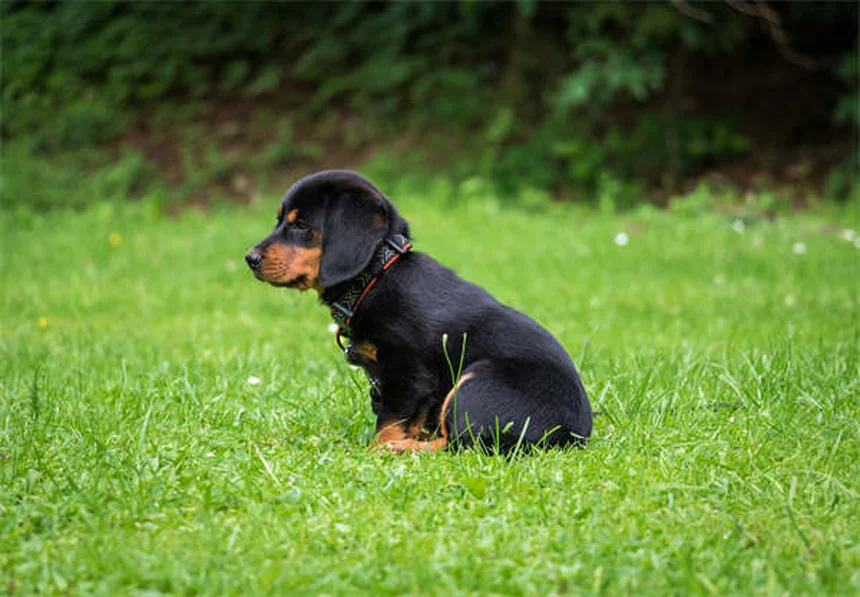
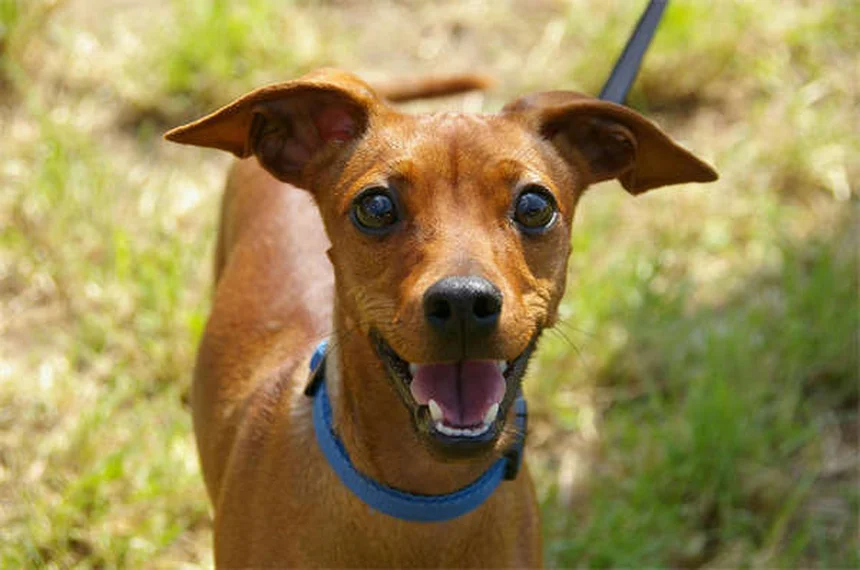
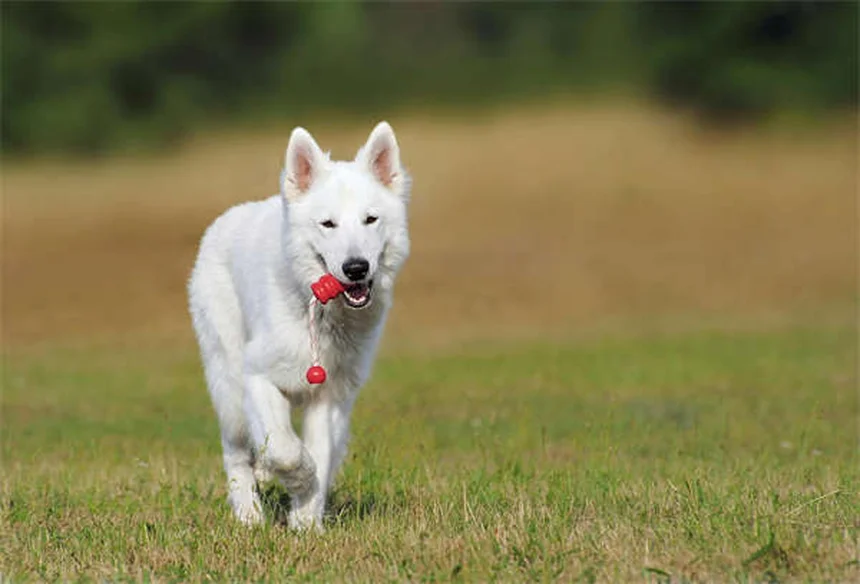
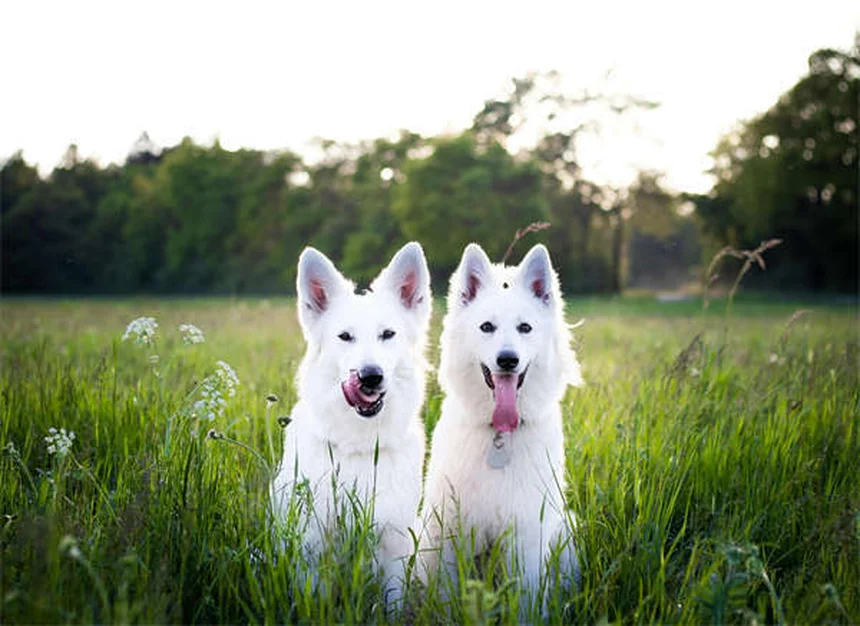
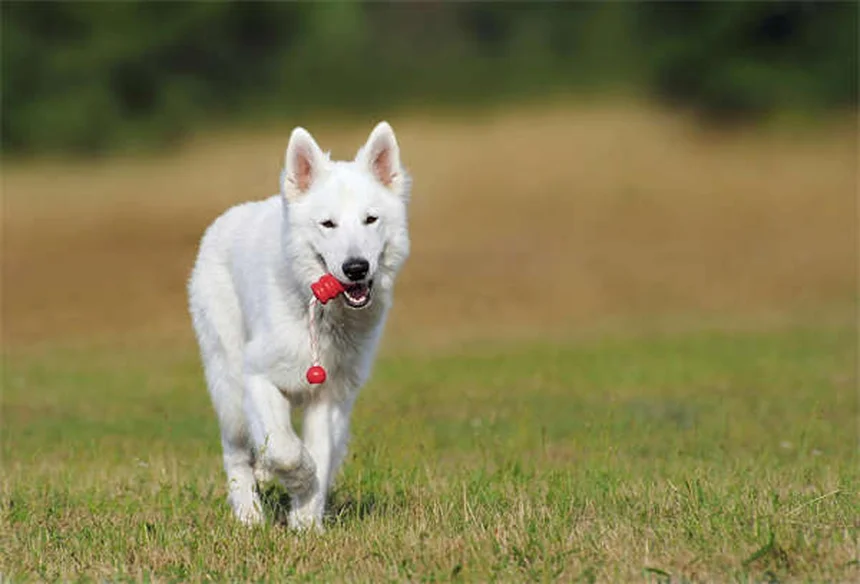
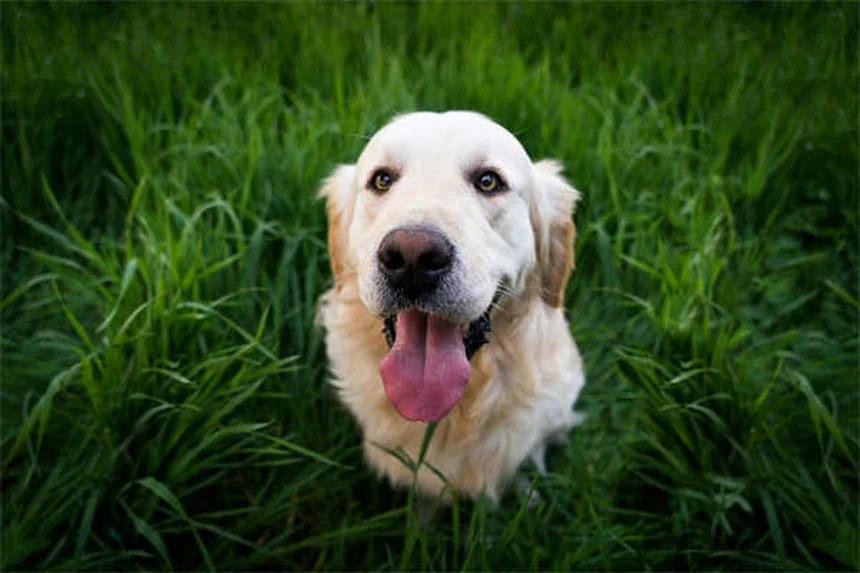
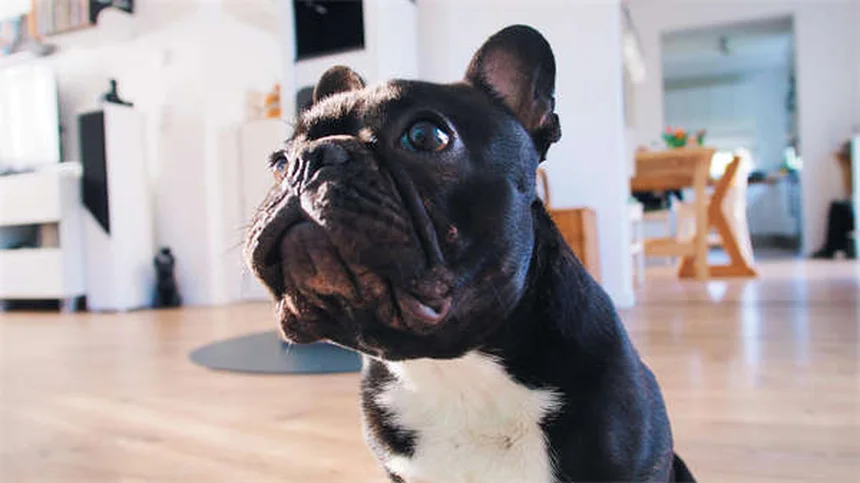
 Photos provided by pixabay
Labrador Retriever Mixes: America's Sweethearts
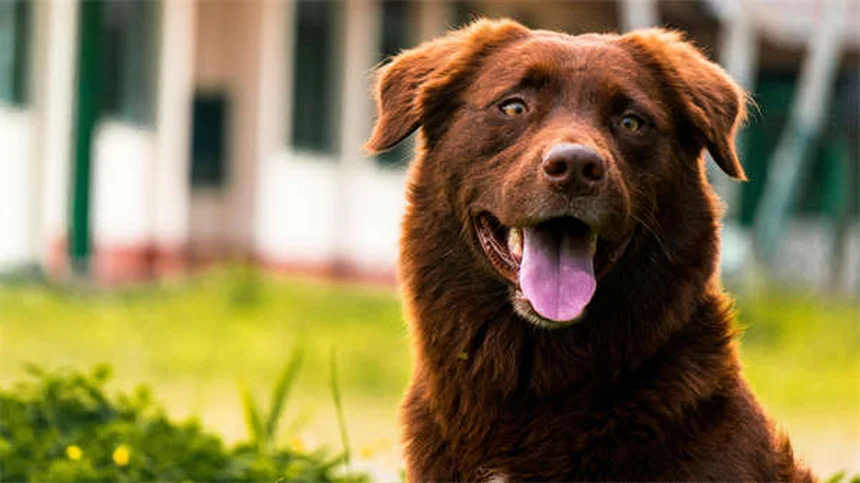
No surprise here - Labs are the most common breed found in mixed dogs. These happy-go-lucky pups bring their trademark enthusiasm to any mix. But did you know that Lab mixes often inherit their love for food? This can lead to obesity if you're not careful with portion control.
Here's a funny story: My neighbor's "Lab mix" turned out to be only 25% Lab, with equal parts Poodle and Beagle. Explains why he's both super smart and follows his nose everywhere! The DNA test helped them adjust training - more scent games, less repetitive drills.
Chihuahua Mixes: Small But Mighty
Don't let their size fool you! These little guys pack serious personality. Pro tip: Chihuahua mixes often have dental issues, so start brushing early. I recommend chicken-flavored toothpaste - my Chihuahua mix goes crazy for it!
But here's a question: Why do so many shelter dogs get labeled as "Chihuahua mixes" when they're actually something completely different? The answer is simple - small dogs with pointy ears often get this default label. DNA testing reveals the truth!
How DNA Testing Works (It's Easier Than You Think!)
You might imagine this involves needles or complicated procedures. Nope! Here's the simple process:
Step 1: The Cheek Swab
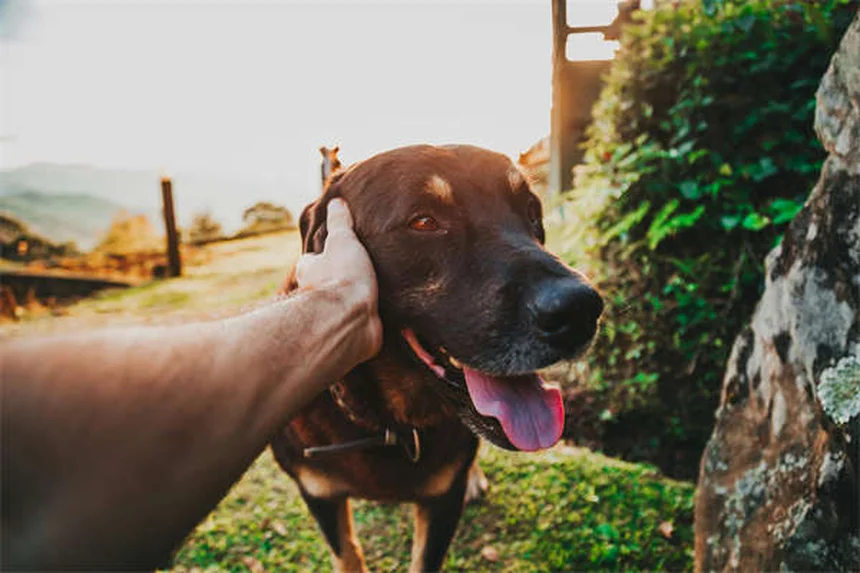
All you do is gently rub the provided swab against your dog's inner cheek for about 30 seconds. No pain, no fuss - though some dogs might think it's a weird new game! My pup tried to chew the swab like a toy.
 Photos provided by pixabay
Labrador Retriever Mixes: America's Sweethearts
Pop the swab in the prepaid envelope and send it off. Most companies provide tracking so you can follow your sample's journey to the lab. Pro tip: Avoid testing right after your dog eats - food particles can sometimes affect results.
Beyond Breeds: The Health Reports
Modern DNA tests don't just tell you about breeds - they screen for genetic health risks too. Here's what you might discover:
Drug Sensitivities
Some breeds have dangerous reactions to common medications. For example, many herding breeds carry the MDR1 mutation that makes certain drugs potentially lethal. Knowing this could literally save your dog's life during emergency treatment.
Weight Management
Ever notice how some dogs seem to gain weight just by looking at food? That's often genetic! DNA tests can reveal whether your pup has genes associated with obesity. My friend's "food-obsessed" Boxer mix turned out to have genes from breeds prone to overeating - now they use puzzle feeders to slow down meals.
Making the Most of Your Results
Got your DNA report? Here's how to put that information to work:
 Photos provided by pixabay
Labrador Retriever Mixes: America's Sweethearts
Share the results with your vet to create a personalized healthcare plan. If your mix includes breeds prone to hip dysplasia, you might start joint supplements early. Found some terrier genes? Maybe invest in some sturdy chew toys!
Training Tweaks
Different breeds respond best to different training methods. Hound mixes often work best for food rewards, while herding breeds may prefer praise and play. Remember: These are tendencies, not rules - every dog is an individual!
Here's something to ponder: Would you train a Border Collie mix the same way you'd train a Bulldog mix? Probably not! The Collie will thrive on mental challenges, while the Bulldog might prefer short, fun sessions.
The Future of Dog DNA Testing
This technology keeps getting better! Here's what's coming next:
More Detailed Health Screening
Companies are constantly adding new genetic markers to their tests. Soon we might be able to predict everything from optimal diet types to lifespan indicators. Exciting stuff for any dog lover!
Ancestry Tracing
Some services now offer "family tree" features showing how recent the mixing occurred. You might discover your "mutt" is actually a first-generation mix of two purebreds! My cousin's dog turned out to be 50/50 Golden Retriever and Poodle - no wonder he's so clever and doesn't shed!
So what are you waiting for? That mystery mutt of yours is holding onto some fascinating secrets. With a simple cheek swab, you could unlock a world of information that makes you an even better pet parent. And who knows - you might finally get an explanation for why your dog insists on sleeping in that one particular spot every night! (Spoiler: It's probably in their genes.)
The Surprising Benefits of Knowing Your Dog's Breed Mix
You might think breed identification is just for fun, but let me tell you - it's way more than that! Understanding your dog's genetic makeup can completely transform how you care for them. I've seen it happen time and time again with my clients' dogs.
Nutrition Tailored to Their Needs
Did you know different breeds often have different nutritional requirements? A Great Dane mix will need completely different food than a Chihuahua mix, and it's not just about portion sizes!
Here's an example from my own experience: My client's "mystery mix" turned out to be part Dalmatian. Dalmatians require low-purine diets to prevent urinary stones. Once we adjusted the diet based on the DNA results, the recurrent UTIs stopped completely. That's the power of knowing!
Exercise Requirements Unlocked
Ever wonder why some dogs seem to have endless energy while others are content with short walks? It's in their genes! Herding breed mixes often need serious mental and physical stimulation, while guardian breeds might prefer patrolling their territory at a leisurely pace.
I'll never forget the day we discovered a client's hyperactive "Lab mix" was actually mostly Border Collie. Suddenly the destructive behaviors made sense - this dog needed a job! We introduced agility training and puzzle toys, and the transformation was incredible.
Busting Common Mixed Breed Myths
Let's clear up some misconceptions floating around about mutts. You've probably heard these before!
"Mixed Breeds Are Always Healthier"
While hybrid vigor is real, it's not a guarantee. Some mixed breeds inherit the health issues of all their component breeds. The key is knowing what to watch for through DNA testing.
Check out this eye-opening comparison of common health issues in purebreds vs. their mixed counterparts:
| Condition | Purebred Risk | Mixed Breed Risk |
|---|---|---|
| Hip Dysplasia | High in many large breeds | Moderate, depends on mix |
| Allergies | Breed-specific tendencies | Can combine multiple risks |
| Heart Conditions | Common in some breeds | Less predictable |
"You Can Tell Breeds Just By Looking"
Oh boy, this one drives me crazy! I've seen so many "Shepherd mixes" that turned out to have zero Shepherd in them. Visual identification is wrong about 75% of the time, according to recent studies.
Remember that viral photo of the "wolf hybrid" that was actually mostly Husky and Malamute? Exactly my point! DNA doesn't lie, but our eyes often do when it comes to guessing breeds.
Fun Ways to Celebrate Your Dog's Heritage
Once you know your pup's mix, the fun really begins! Here are some creative ways we've celebrated our clients' dogs' unique backgrounds.
Breed-Themed Birthday Parties
One of my favorite clients threw a "Basset Bash" when they discovered their long-bodied pup was part Basset Hound. We had low-to-the-ground obstacle courses and extra-long hot dogs as treats! Pro tip: If your dog has hound in them, scent-based party games are always a hit.
Another client whose dog turned out to be part Australian Shepherd hosted a "Down Under" party complete with kangaroo-shaped cookies and didgeridoo music. The best part? The dog got his own little cowboy hat!
Customized Gear That Shows Off Their Mix
Etsy is full of amazing artists who create custom gear based on DNA results. I've seen everything from breed-mix portraits to personalized collars listing all the breeds. My personal favorite was the "Heinz 57" jacket for a dog with 12 different breeds in their makeup!
Here's a question: Wouldn't it be cool if dog parks had mix-and-mingle events where dogs could meet others with similar breed backgrounds? Imagine the playdate possibilities when you know which breeds get along best!
The Emotional Impact of Discovering Your Dog's Roots
This might surprise you, but learning about your dog's breed mix can create a deeper emotional connection. I've witnessed some truly heartwarming moments.
Understanding Their Quirks
When you finally get an explanation for why your dog does that weird thing, it's like solving a mystery. One client cried happy tears when she realized her dog's "strange herding behavior" came from the unexpected Australian Cattle Dog in his mix.
These discoveries help us appreciate our dogs for who they truly are, not just who we assumed they were. It's like finally getting the instruction manual for your best friend!
Connecting With Their History
Some clients have used DNA results to research their dog's likely origins. One gentleman discovered his rescue's mix suggested Caribbean heritage, which led him to learn about the unique street dogs of the islands. Now they celebrate with tropical-themed gotcha days!
Another family traced their dog's rare breed components back to a specific region and started incorporating cultural elements into their care routine. How cool is that?
When Results Surprise You
About half of my clients get results that completely defy expectations. Here's how to handle those shocking revelations.
The "Where Did That Come From?" Moment
I'll never forget the look on my client's face when her 15-pound scruffy mutt turned out to be part Rottweiler! The lesson? Phenotype (how they look) and genotype (their actual genes) can be wildly different.
These surprises often explain previously mysterious behaviors. That "random aggression" might actually be guarding instincts from an unexpected breed in the mix. Knowledge is power when it comes to training!
The "Wait, Where's The Breed I Was Sure About?" Reaction
It's common to be certain about one breed in your dog's mix... only to find it's completely absent in the DNA results. This happens more often than you'd think! I always remind clients that dogs have been mixing for generations - what we see is just the tip of the genetic iceberg.
One of my favorite stories? A family swore their large, floppy-eared dog was part Bloodhound. Turns out he was mostly Great Pyrenees with some Bulldog! Those ears came from the Bulldog side, proving genetics can express in unexpected ways.
E.g. :Top 10 Most Common Breeds in Embark Dogs - Embarkvet
FAQs
Q: How accurate are dog DNA tests?
A: Modern dog DNA tests are surprisingly accurate, typically around 95-98% reliable for breed identification. I've tested multiple companies and found their results consistently match known breed histories. The science has come a long way - these tests analyze over 100,000 genetic markers! While no test is perfect, the major companies (like Embark and Wisdom Panel) maintain extensive breed databases that keep improving. Pro tip: For best results, avoid testing right after meals and follow the swab instructions carefully. Remember, even small percentages matter - that 12% Beagle in your mix might explain why your dog follows scents everywhere!
Q: What health information can dog DNA tests reveal?
A: Beyond breed identification, these tests can uncover crucial health insights! We're talking about genetic predispositions to conditions like hip dysplasia, heart disease, and even drug sensitivities. For example, many herding breed mixes carry the MDR1 mutation that makes certain medications dangerous. This knowledge could literally save your dog's life during emergency treatment. The tests also screen for traits like weight management tendencies and potential allergies. I always recommend sharing results with your vet to create a personalized prevention plan. It's like getting a blueprint for your dog's health!
Q: How much does a dog DNA test cost?
A: Prices range from $60 to $200 depending on the brand and features. Basic breed identification tests start around $60, while comprehensive health screenings from companies like Embark run about $150-200. Here's my advice: The extra cost for health testing is worth every penny. Think of it as an investment that could save thousands in future vet bills. Watch for sales around holidays - I've seen quality tests drop to $80! Just beware of suspiciously cheap tests, as they may use outdated technology or smaller breed databases.
Q: Can dog DNA tests help with training?
A: Absolutely! Understanding your dog's breed mix is a game-changer for training. I've helped countless owners who were struggling until they learned their "Lab mix" was actually mostly Hound. Different breeds respond best to different methods - food motivation works great for scent hounds, while herding breeds often prefer praise and movement-based rewards. The tests can also explain behaviors like digging, chasing, or guarding tendencies. One client's "mystery dog" turned out to be part Terrier - suddenly the constant digging made sense! With this knowledge, you can tailor your approach to what comes naturally to your pup.
Q: What's the testing process like?
A: It's incredibly simple - no vet visit required! You'll receive a kit with cheek swabs (completely painless) and detailed instructions. Just rub the swab against your dog's inner cheek for about 30 seconds, let it dry, and mail it back in the prepaid envelope. Fun fact: Most dogs think it's a weird game! Results typically take 2-4 weeks. The hardest part? Waiting for those fascinating results to arrive! Pro tip: Take before-and-after photos - it's amazing to see how physical traits match the DNA results once you know what to look for.