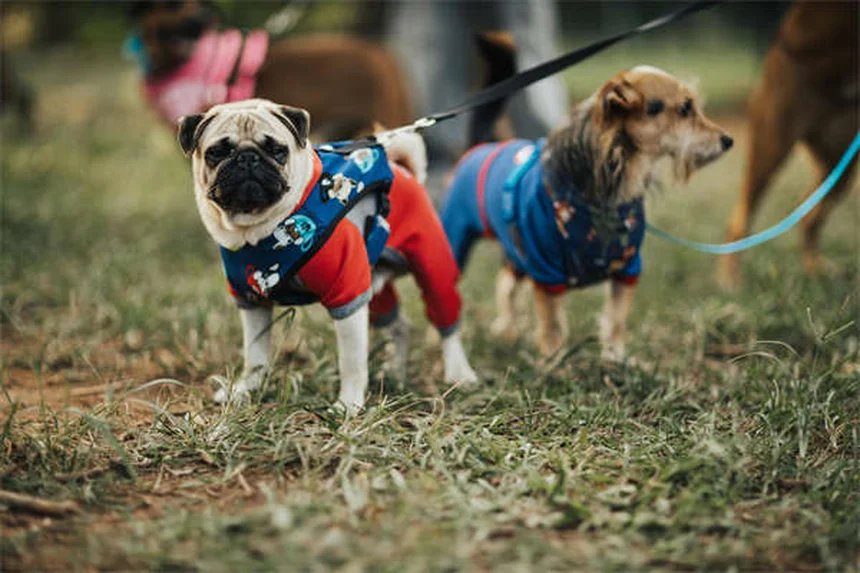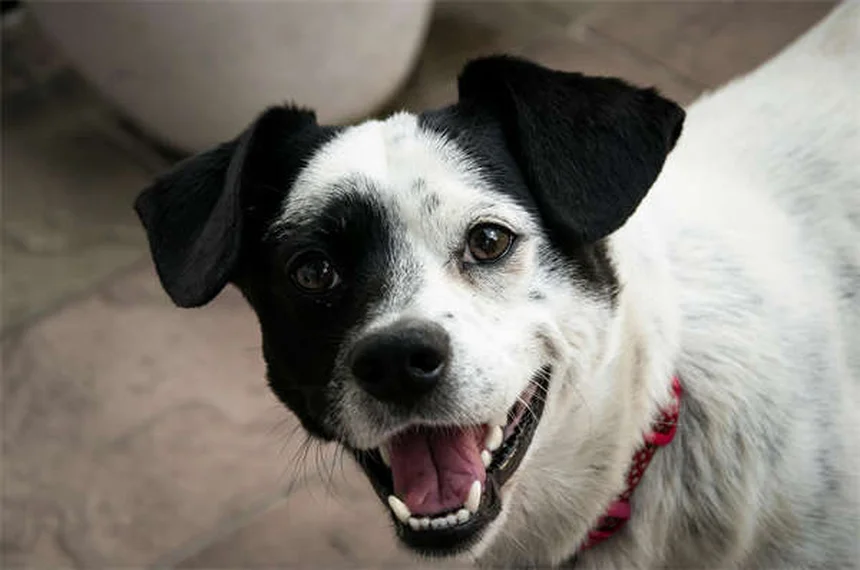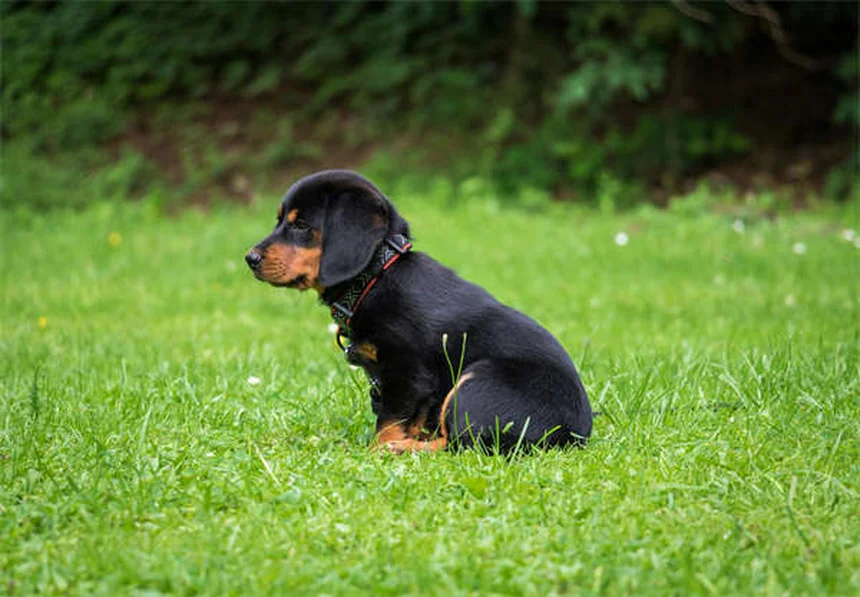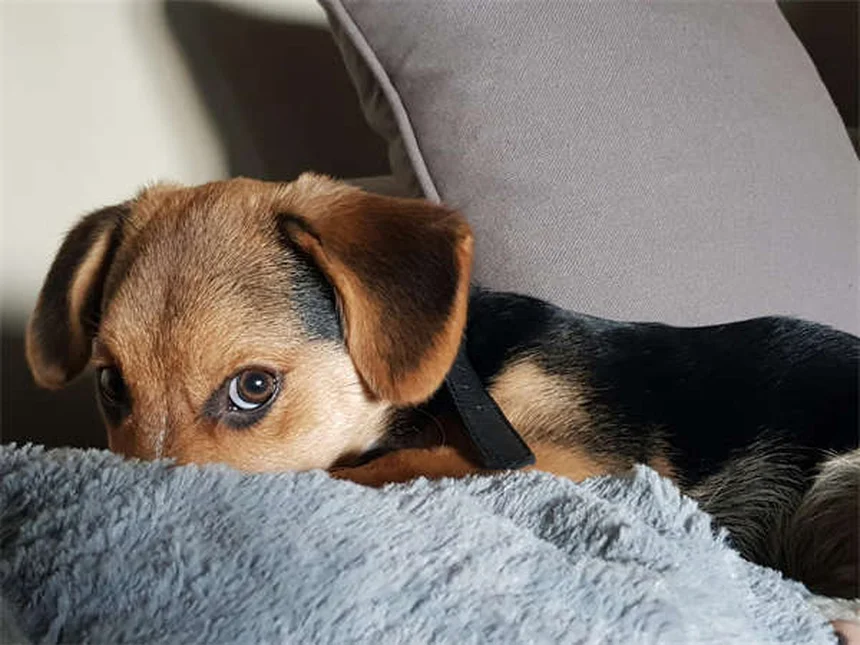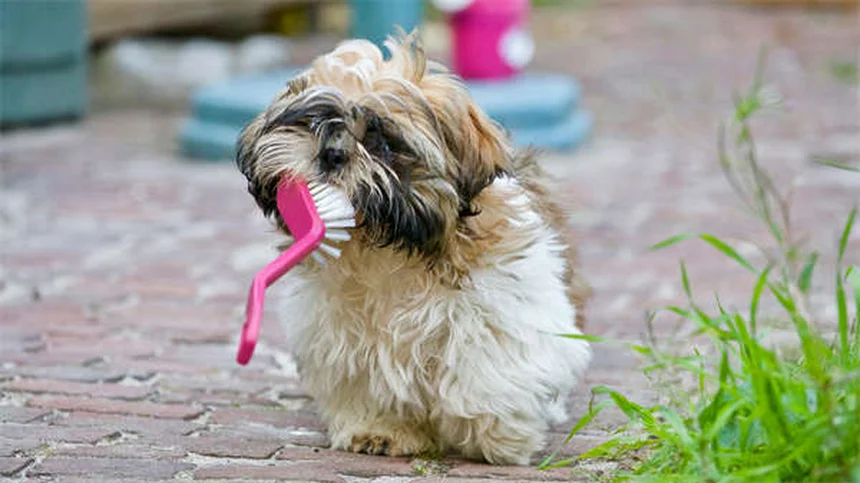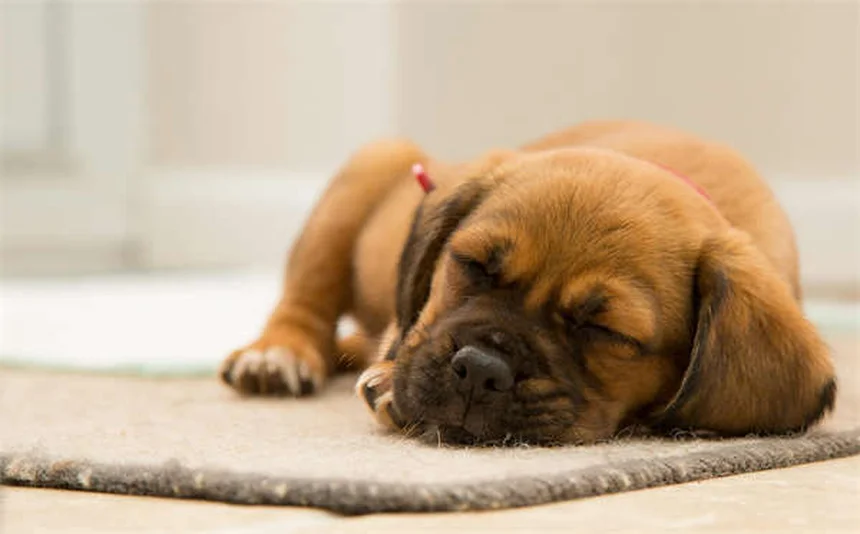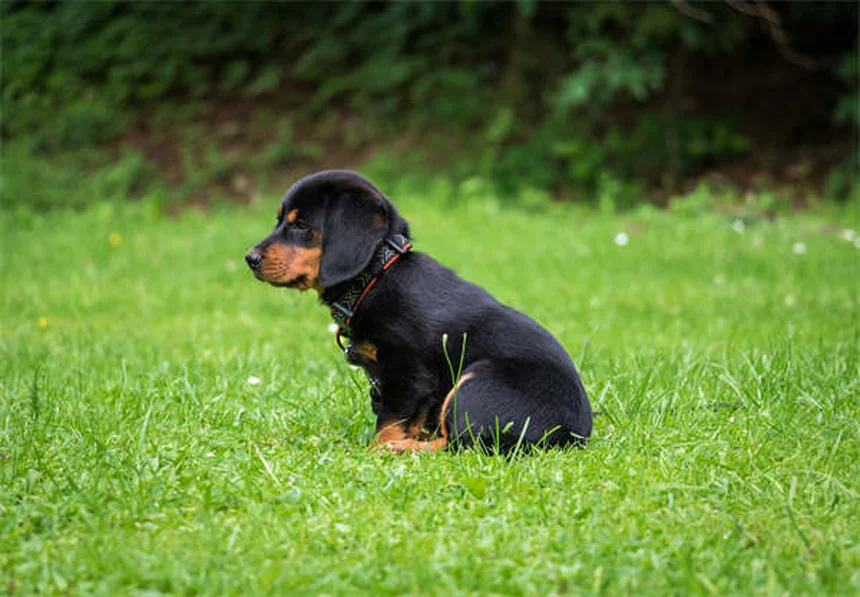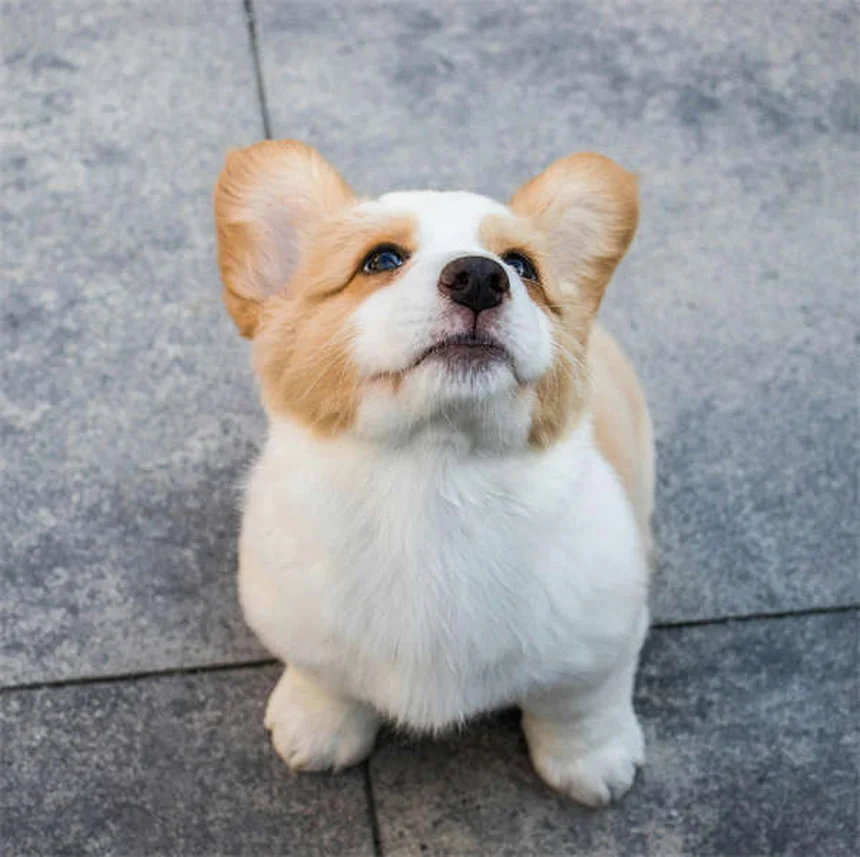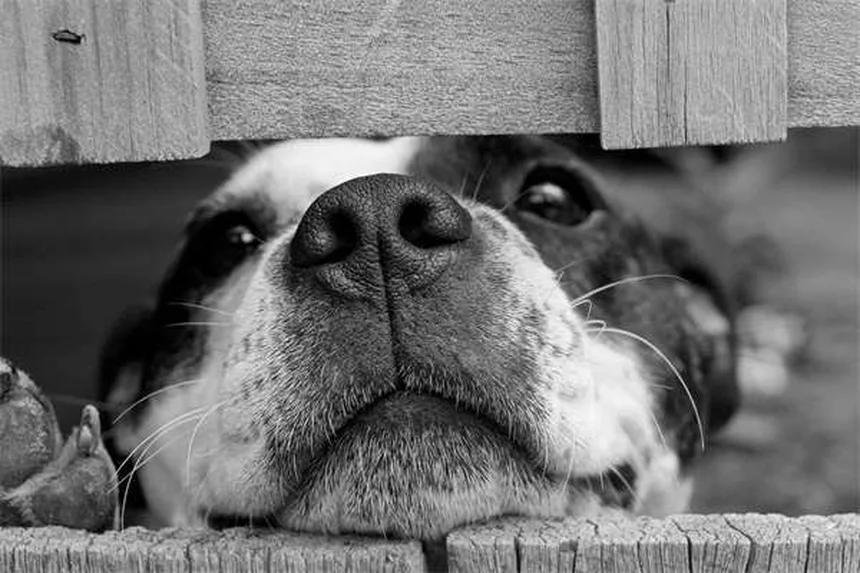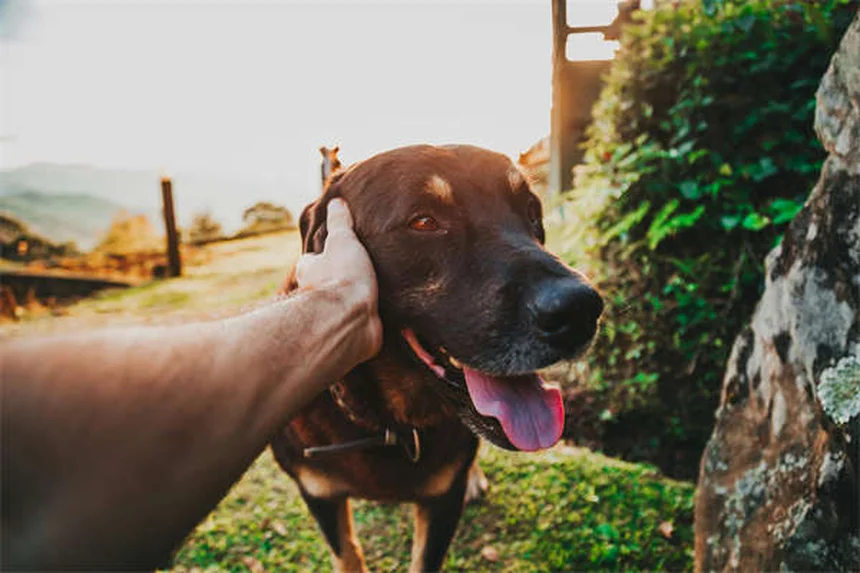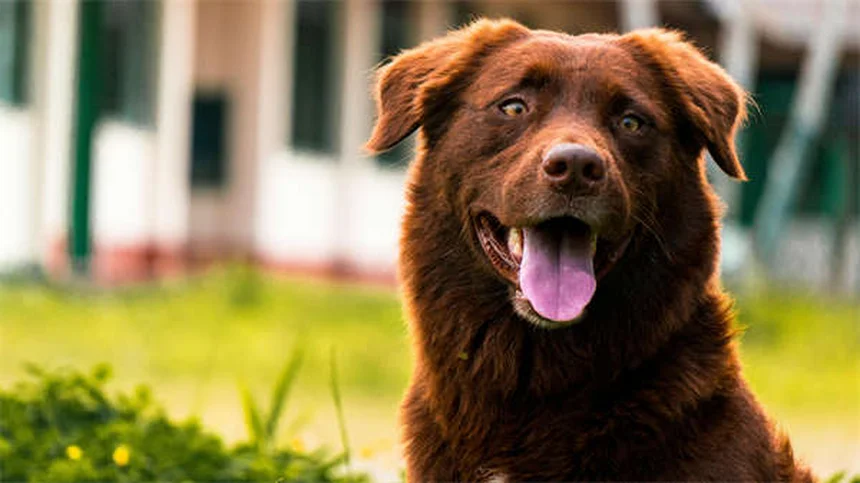

Why doesn't my dog like the dog park? The answer is simple: some dogs just aren't into group play, and that's completely normal! As a dog owner myself, I've learned that about 30% of pups prefer one-on-one time over crowded parks. Your furry friend might be giving you clear signals - like hiding behind you or making a beeline for the exit - that say this isn't my scene. The good news? There's nothing wrong with your dog if they'd rather skip the park. In fact, forcing them into uncomfortable situations can do more harm than good. Let's explore why some dogs avoid dog parks and discover better ways to keep your pup happy and active!
E.g. :Tylosin Tartrate: What It Is & How It Helps Animals
- 1、Understanding Your Dog's Personality
- 2、Common Reasons Dogs Avoid Parks
- 3、Making the Park Work (If You Want To)
- 4、Alternative Fun Without the Park
- 5、When to Seek Professional Help
- 6、Celebrating Your Dog's Individuality
- 7、Expanding Your Dog's Social Circle
- 8、Understanding Canine Communication
- 9、Creating Positive Associations
- 10、The Human Factor in Dog Socialization
- 11、Technology to the Rescue
- 12、FAQs
Understanding Your Dog's Personality
Every Dog is Unique
You know what they say - "If you've met one dog... you've met one dog!" Just like people, every pup has their own personality quirks. Some dogs live for the excitement of the dog park, while others would rather cuddle on the couch with their favorite human (that's you!).
Here's the truth: There's absolutely nothing wrong with your dog if they don't enjoy group play. In fact, about 30% of dogs prefer one-on-one playdates over crowded dog parks according to recent surveys. Your furry friend might be part of this perfectly normal group!
Signs Your Dog Might Not Be a Park Pup
How can you tell if your dog isn't enjoying the park experience? Watch for these clear signals:
| Happy Dog Signs | Uncomfortable Dog Signs |
|---|---|
| Loose, wiggly body language | Tucked tail or stiff posture |
| Play bows to other dogs | Hiding behind you or trying to leave |
| Taking breaks between play | Constant panting or yawning |
Remember that time your dog made a beeline for the exit after five minutes at the park? That wasn't bad behavior - that was your smart pup telling you exactly what they needed!
Common Reasons Dogs Avoid Parks
 Photos provided by pixabay
Early Experiences Matter
Did your dog have limited socialization as a puppy? Those first few months are crucial for building confidence. A dog who missed out on positive play experiences might find the park overwhelming now.
Think about it this way: Would you enjoy being thrown into a mosh pit if you'd never been to a concert before? Probably not! The same goes for your pup facing a pack of rowdy dogs without proper preparation.
Park Design Problems
Not all dog parks are created equal. Some common issues that might turn your dog off:
- No separate areas for big and small dogs
- Overcrowded spaces (more than 10 dogs per acre is too many)
- Lack of shade or water sources
- Poorly maintained surfaces
I once took my terrier to a park where the small dog area was just a fenced corner of the parking lot. No surprise - he hated it! When we found a park with proper amenities, his whole attitude changed.
Making the Park Work (If You Want To)
Timing is Everything
Ever notice how the gym is packed at 5pm but empty at 10am? Dog parks have rush hours too! Try these less crowded times:
Early Bird Special: 6-8am when only the most dedicated dog lovers are out. The air is cool, the dogs are fresh, and the energy is calmer.
Midday Magic: Between 10am-2pm (avoiding lunch hour) when most people are at work. Just bring water and watch for hot pavement in summer!
 Photos provided by pixabay
Early Experiences Matter
Some dogs prefer quality over quantity when it comes to friendships. Instead of the park, try:
1. Setting up one-on-one playdates with a compatible dog
2. Visiting during "small dog hours" if your park offers them
3. Finding a local dog walking group that matches your pup's energy level
My neighbor's golden retriever hated the park but adored playing with just one specific poodle. They had weekly "dates" in our backyard that made both dogs incredibly happy!
Alternative Fun Without the Park
Adventure Walks
Who says exercise has to mean the dog park? Try these stimulating alternatives:
- Sniffari walks: Let your dog lead and explore interesting smells at their own pace
- Hiking trails with varying terrain
- Urban exploration in pet-friendly downtown areas
Did you know a 30-minute sniff walk can be more tiring than an hour of fetch? It's true! Mental stimulation is just as important as physical exercise.
At-Home Enrichment
When you can't get out, bring the fun inside with:
Puzzle toys: Stuff a Kong with peanut butter and freeze it for hours of entertainment
Training games: Teach new tricks or practice old ones with tasty rewards
Hide and seek: Great for bonding and working that nose!
Last rainy weekend, I taught my dog to "find the treat" by hiding kibble around the house. She had a blast, and I got to relax on the couch - win/win!
When to Seek Professional Help
 Photos provided by pixabay
Early Experiences Matter
While many dogs simply prefer quieter play, some might need extra support. Consider consulting a trainer if you notice:
- Fear reactions to all dogs, not just groups
- Aggressive behavior that's getting worse
- Extreme stress that lasts hours after an encounter
Remember: There's no shame in getting help! I worked with a behaviorist for my rescue dog's anxiety, and it made a world of difference for both of us.
Finding the Right Professional
Look for these credentials when choosing help:
1. Certified Professional Dog Trainer (CPDT)
2. Veterinary Behaviorist for serious cases
3. Positive reinforcement methods only
Steer clear of anyone who promises "quick fixes" or uses punishment-based techniques. Good training should be fun for both you and your dog!
Celebrating Your Dog's Individuality
Quality Time Over Quantity
At the end of the day, what matters most is the bond you share with your dog. Whether they're the life of the party or a confirmed introvert, they're perfect just the way they are.
Some of my favorite memories with my dogs have been quiet moments - watching sunsets together, sharing popcorn during movie nights, or just enjoying each other's company during lazy Sundays.
Trust Your Gut
You know your dog better than anyone else. If they're telling you (in their own way) that the park isn't their scene, believe them! There are countless ways to keep your dog happy and healthy without forcing them into situations they dislike.
After all, isn't the whole point of having a dog to enjoy each other's company? Whether that means romping at the park or snuggling on the sofa is entirely up to you and your best friend!
Expanding Your Dog's Social Circle
Beyond the Dog Park
You might be surprised how many alternative socialization opportunities exist for your pup! Many pet stores now host "Yappy Hours" where dogs can mingle in controlled environments. These events often have staff monitoring play and limiting the number of attendees.
Local dog trainers frequently offer socialization classes that are way more structured than chaotic dog parks. Picture this: small groups of carefully matched dogs, supervised play sessions, and professional guidance on reading canine body language. Now that's what I call a paw-some alternative!
The Power of Parallel Walking
Ever noticed how some dogs get along better when walking side by side rather than face-to-face? This technique called parallel walking can work wonders for dogs who feel overwhelmed by direct interaction.
Here's how we do it: Start by walking your dog and another compatible pup about 10-15 feet apart in the same direction. Gradually decrease the distance as both dogs show relaxed body language. Before you know it, you might have two new walking buddies who actually enjoy each other's company!
Understanding Canine Communication
The Secret Language of Tails
Did you know a wagging tail doesn't always mean a happy dog? The position and speed of the wag tell completely different stories. A high, stiff wag often signals alertness or potential aggression, while a loose, mid-level wag usually indicates friendliness.
Let me share a funny story about my first dog. I thought his helicopter tail spins meant he was thrilled to meet every dog at the park. Turns out, that over-the-top wagging was actually stress! The canine behaviorist I consulted showed me how to spot the difference - now I can read tails like a book.
Calming Signals You Should Know
Dogs have an entire vocabulary of subtle signals to diffuse tension. These include:
| Signal | What It Means | How Humans Can Help |
|---|---|---|
| Lip licking | "I'm uncomfortable" | Create more space |
| Turning head away | "Let's calm down" | Redirect attention |
| Shaking off | "I need a reset" | Offer a break |
Recognizing these signals can completely transform your dog's social experiences. Wouldn't you feel safer if someone noticed when you needed space? Our dogs deserve that same consideration!
Creating Positive Associations
The Treat Connection
Here's a pro tip: always bring high-value treats to any social situation. When your dog notices another pup at a comfortable distance, immediately reward them. This creates positive associations with other dogs' presence.
I keep a special "socialization pouch" filled with chicken pieces and cheese cubes - my dog's absolute favorites. Over time, he's learned that seeing other dogs predicts good things! Just remember to keep treats small and adjust meal portions accordingly.
Controlled Exposure Therapy
For truly park-averse dogs, we can borrow techniques from behavioral therapy. Start by simply sitting with your dog in your car outside the park, rewarding calm behavior. Gradually work up to walking around the perimeter, then entering during off-hours.
The key is moving at your dog's pace - if they show stress, we take a step back. This method helped my friend's rescue dog go from terrified of parks to cautiously enjoying quiet visits. Progress, not perfection!
The Human Factor in Dog Socialization
Your Energy Matters
Dogs are incredibly attuned to our emotions. If you tense up when another dog approaches, your pup will notice! Practice staying relaxed during encounters - deep breathing helps.
I used to death-grip the leash whenever big dogs came near my small terrier. Guess what? She started reacting exactly how I feared! When I learned to stay calm and trust her, her confidence grew exponentially.
Setting Boundaries for Others
Don't be afraid to advocate for your dog! If someone's off-leash dog approaches despite your signals, it's okay to:
- Firmly say "Not now, please"
- Use your body as a barrier
- Walk away if needed
Remember, you're not being rude - you're being a responsible pet parent. Most reasonable dog owners will understand if you explain your dog needs space.
Technology to the Rescue
Social Media for Dog Lovers
Facebook groups and apps like Sniffspot (which rents private yards for dogs) have revolutionized how we socialize our pups. You can find local groups specifically for:
- Small dog playdates
- Senior dog meetups
- Reactive dog support
I recently discovered a "Shy Pups Club" in my area through Instagram. The organizer carefully screens all participants to ensure safe, positive experiences for nervous dogs. How cool is that?
Tech Gadgets That Help
From GPS trackers to long-line leashes, modern pet products make controlled socialization easier than ever. My current favorite?
The 30-foot training lead gives dogs freedom while maintaining safety. Pair it with a comfortable harness (not a collar!) for stress-free outdoor adventures.
Another game-changer: treat-dispensing cameras that let you reward your dog remotely during training sessions. Technology truly is a dog's best friend these days!
E.g. :Don't go to the dog park if your dog isn't comfortable there. : r ...
FAQs
Q: Is it bad if my dog doesn't like playing with other dogs?
A: Not at all! Just like people, dogs have different personalities and preferences. While some dogs thrive in social settings, others prefer quieter one-on-one interactions or even just human companionship. What matters most is that your dog is happy and comfortable. I've worked with countless pet owners who worried about this exact thing, only to realize their dogs were perfectly content with alternative activities. The key is observing your dog's body language - if they're relaxed and enjoying themselves during solo play or walks, there's absolutely no need to force dog park visits.
Q: How can I tell if my dog is uncomfortable at the dog park?
A: Watch for these clear signs of stress: tucked tail, stiff posture, excessive yawning or panting, hiding behind you, or constantly trying to leave the area. These are your dog's ways of saying "I'm not having fun." I remember when my own dog would immediately head for the gate after just five minutes - that was my clue she'd had enough. Contrast this with happy dog behavior: loose, wiggly movements, play bows to other dogs, and taking natural breaks between play. Trust me, it's much better to leave early than wait until your pup becomes overwhelmed.
Q: What are some good alternatives to the dog park?
A: There are so many great options! For exercise, try "sniffari" walks where your dog leads the way exploring smells, or find pet-friendly hiking trails. At home, puzzle toys stuffed with treats provide mental stimulation, while hide-and-seek games strengthen your bond. I've found that many dogs who hate parks love one-on-one playdates with a compatible buddy. One client's golden retriever adored weekly "dates" with a neighbor's poodle in their backyard. Remember, a 30-minute sniff walk can tire your dog out more than an hour of fetch!
Q: Could my dog's dislike of parks be due to bad past experiences?
A: Absolutely. Early socialization plays a huge role in how comfortable dogs feel in group settings. If your pup missed positive play experiences as a young dog, the park might feel overwhelming now. Think of it like being thrown into a mosh pit at your first concert! Poor park design (like overcrowding or no separate areas for small dogs) can also create negative associations. I've seen dogs who hated chaotic parks blossom when introduced to calmer, well-managed environments. The good news? With patience and the right approach, some dogs can learn to enjoy modified park experiences.
Q: When should I consider professional help for my dog's park anxiety?
A: Seek a certified trainer if your dog shows extreme fear around all dogs (not just groups), displays aggressive behavior that's worsening, or remains stressed for hours after an encounter. I always recommend looking for professionals with CPDT certification who use positive reinforcement methods. Personal story: my rescue dog's anxiety improved dramatically after working with a behaviorist. But remember, if your dog simply prefers quieter play without showing extreme stress, they might just be an introvert - and that's perfectly okay!