
Wondering what your puppy's behaviors mean? The answer is: your pup's quirky actions are completely normal and actually tell you important things about their development! As a fellow dog lover who's raised multiple puppies, I can tell you that those confusing behaviors - from nonstop napping to crazy zoomies - are all part of your furry friend growing up.In this guide, we'll break down exactly what your puppy is trying to communicate through their actions. You'll learn why puppies sleep so much (hint: they're not lazy!), what those nipping episodes really mean, and how to tell if your pup's tail wags are happy or nervous. Most importantly, you'll discover how to work with your puppy's natural instincts instead of against them.
E.g. :5 Essential Dog Crate Accessories to Create a Cozy Retreat
- 1、Understanding Your Puppy's Quirky Behaviors
- 2、Decoding More Puppy Mysteries
- 3、Training Through Understanding
- 4、Puppy Development Milestones
- 5、When to Seek Help
- 6、Beyond the Basics: Advanced Puppy Psychology
- 7、The Hidden World of Puppy Senses
- 8、Puppy Culture Shock
- 9、Puppy Social Dynamics
- 10、Puppy Brain Development
- 11、Puppy Sleep Science
- 12、Puppy Nutrition and Behavior
- 13、FAQs
Understanding Your Puppy's Quirky Behaviors
Hey there, new puppy parent! I know exactly how you feel - that mix of excitement and confusion when your little furball does something totally unexpected. Let's break down those adorable yet puzzling puppy actions together.
The Sleeping Beauty Routine
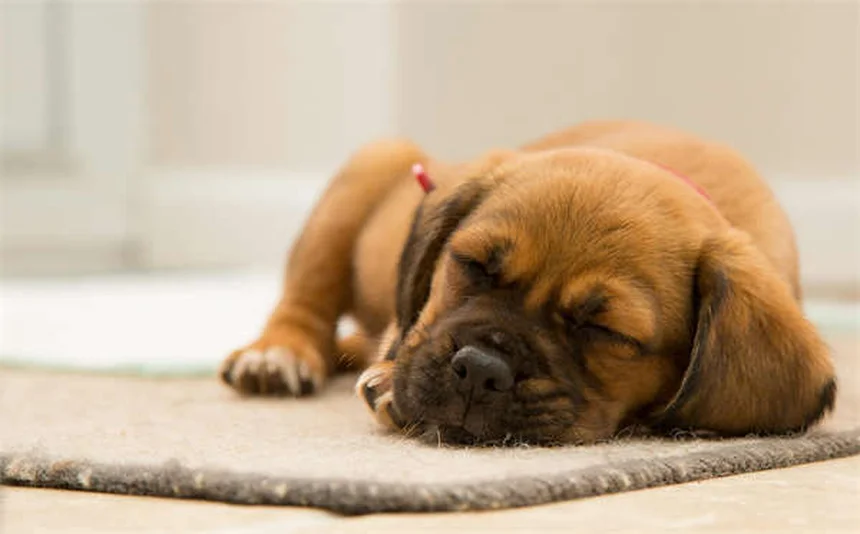
Ever notice how your puppy seems to sleep all the time? Don't worry - this isn't laziness, it's essential puppy development!
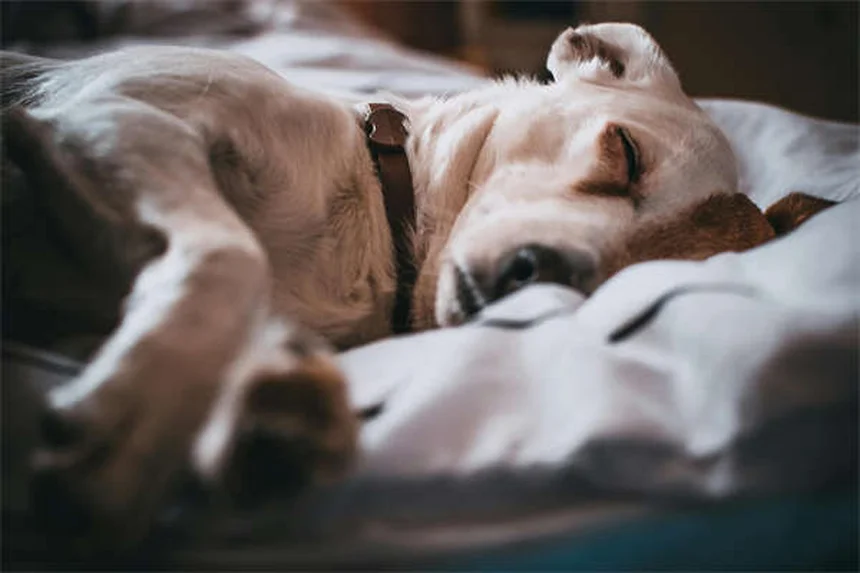
Puppies need 18-20 hours of sleep daily while they're growing. Their bodies are working overtime to develop muscles, bones, and that adorable puppy brain. Think of it like a baby human - would you expect a toddler to stay awake all day? Of course not! Your pup's marathon napping sessions are completely normal and actually help with proper growth and behavior development.
The Land Shark Phase
Why does your sweet puppy suddenly turn into a tiny shark when you try to pet her? This nipping behavior might hurt, but it's actually how puppies explore their world.
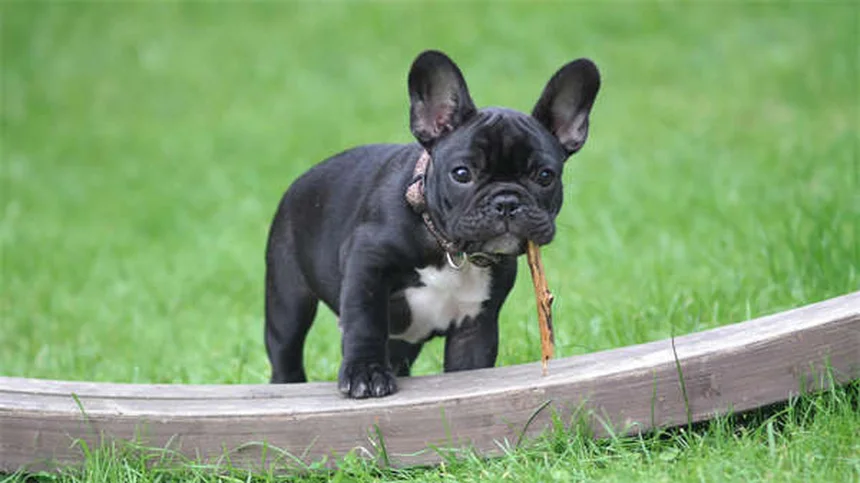
Puppies use their mouths like we use our hands - to test textures, play, and communicate. Those sharp little teeth aren't meant to be mean; they're just part of normal puppy development. Here's a quick comparison of puppy mouthing versus aggressive biting:
| Playful Mouthing | Aggressive Biting |
|---|---|
| Gentle pressure | Hard, painful bites |
| Relaxes when you yelp | Continues despite pain |
| Accompanied by play bows | Stiff body language |
 Photos provided by pixabay
The Afternoon Zoomies
That sudden burst of energy where your puppy races around like she's being chased by ghosts? We call those the "zoomies," and they're completely normal!
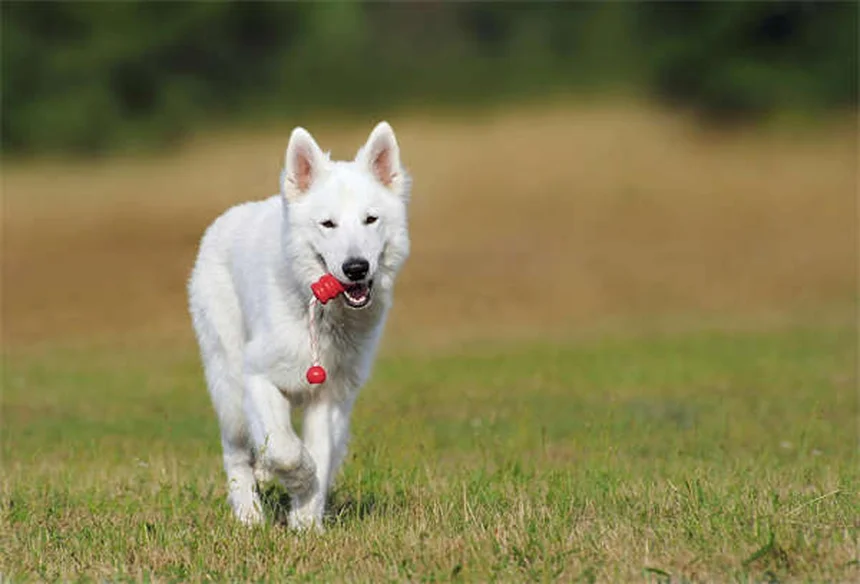
These random energy explosions usually happen when your pup has been resting and suddenly needs to burn off steam. It's like when kids get hyper after sitting still in class all day. The zoomies are actually a healthy way for puppies to release pent-up energy and show they're feeling happy and comfortable in their environment.
Decoding More Puppy Mysteries
Now that we've covered the basics, let's dive deeper into understanding your puppy's language. Remember, these behaviors aren't problems - they're just your pup's way of communicating!
The Tail Talk
Did you know your puppy's tail is like a mood ring? But here's something surprising - a wagging tail doesn't always mean happiness!
A high, stiff wag can signal alertness or potential aggression, while a low, relaxed wag usually means contentment. And when that tail tucks between their legs? That's classic "I'm scared" body language. Pay attention to the speed, height, and direction of your pup's tail movements - they tell you exactly what's going through that furry little head.
The Chewing Conundrum
Why does your puppy treat your favorite shoes like gourmet treats? Before you get frustrated, consider this: chewing is as natural for puppies as breathing!
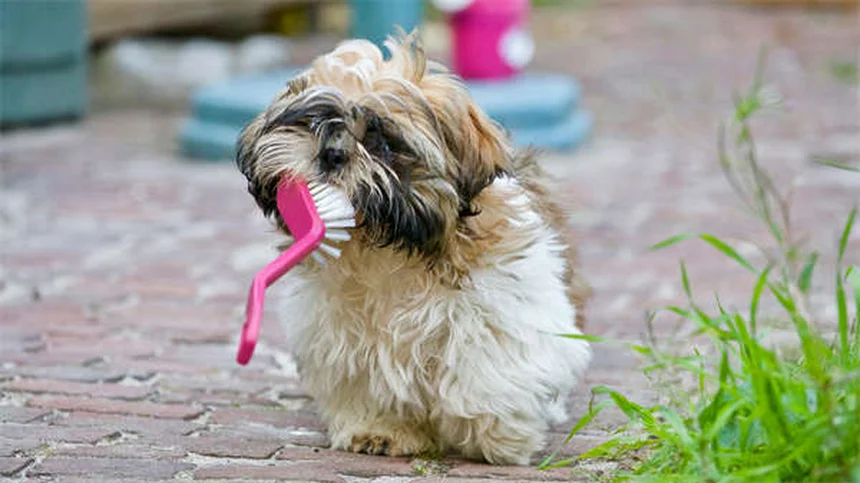
Puppies chew for several important reasons: to relieve teething pain, to explore their world, and to keep their jaws strong. Instead of fighting this instinct, give your pup appropriate chew toys. Pro tip: rotate toys weekly to keep them interesting. A bored puppy with nothing to chew will always find something - usually your most expensive possession!
Training Through Understanding
Now that we've decoded these behaviors, let's talk about how to work with them rather than against them. Training becomes much easier when you understand why your puppy acts certain ways.
 Photos provided by pixabay
The Afternoon Zoomies
Ever wonder why punishment often backfires with puppies? It's because we're fighting against their natural instincts instead of redirecting them!
For example, when your puppy nips during play, instead of scolding, try redirecting to a toy. This teaches them what's acceptable to chew while still allowing that natural mouthing behavior. Remember - your puppy isn't trying to be "bad," they're just following their instincts. Work with their nature, not against it, and you'll both be much happier.
Creating Positive Associations
Why does your puppy seem to forget all training when excited? Their young brains simply can't focus like adult dogs yet!
Make training fun by keeping sessions short (5-10 minutes) and rewarding frequently. Use high-value treats like small pieces of chicken or cheese. Most importantly, end each session while your pup is still engaged - this leaves them excited for next time rather than bored or frustrated.
Puppy Development Milestones
Understanding what's normal at different ages helps you set realistic expectations. Let's look at some key stages in your puppy's first year.
The Fear Periods
Did your confident puppy suddenly become scared of harmless objects? This is completely normal during fear periods!
Puppies go through developmental phases where they become more sensitive to their environment. These typically occur around 8-11 weeks and again at 6-14 months. During these times, expose your pup to new experiences gently and positively. Never force interactions - let them approach at their own pace while offering plenty of treats and praise.
 Photos provided by pixabay
The Afternoon Zoomies
What's the most important thing you can do for your puppy in the first few months? Socialization, socialization, socialization!
The prime socialization window closes around 16 weeks, making early positive experiences crucial. This doesn't just mean meeting other dogs - expose your pup to different people, surfaces, sounds, and environments. Well-socialized puppies grow into confident, well-adjusted adults. Just remember to keep experiences positive and at your puppy's comfort level.
When to Seek Help
While most puppy behaviors are normal, sometimes professional guidance is needed. Here's how to spot when it's time to call in reinforcements.
Persistent Problem Behaviors
When does normal puppy behavior cross the line into problematic? If certain issues don't improve with consistent training, it might be time for professional help.
Signs to watch for include: aggression that escalates instead of improves, extreme fear that prevents normal activities, or destructive behaviors that continue past the puppy phase. A certified trainer or veterinary behaviorist can assess whether your pup's actions are within normal ranges or need special intervention.
Health-Related Behavior Changes
Did you know sudden behavior changes can sometimes indicate health issues? Always rule out medical causes before assuming it's a training problem.
For example, a normally housetrained puppy having accidents might have a urinary tract infection. A sudden increase in chewing or licking could signal pain or discomfort. When in doubt, consult your veterinarian - they can help determine whether your pup's behavior stems from physical or behavioral causes.
Remember, every puppy is unique, and what's "normal" can vary. The key is patience, understanding, and enjoying this special time in your pup's life. Before you know it, these puzzling puppy behaviors will be replaced by the wonderful quirks of your adult dog!
Beyond the Basics: Advanced Puppy Psychology
You've mastered the puppy fundamentals - now let's explore some fascinating aspects of canine behavior that most new owners never consider. Trust me, understanding these will make you feel like a puppy whisperer!
The Secret Language of Puppy Play
Ever watched puppies at the dog park and wondered why they suddenly freeze mid-play? That's actually sophisticated canine communication at work!
Puppies use play pauses to check in with each other and ensure everyone's still having fun. It's like when kids playing tag suddenly stop to ask "You okay?" before continuing. These micro-breaks prevent play from escalating into real fights. Next time your pup stops playing abruptly, don't worry - she's just being polite!
The Science Behind Puppy Eyes
Why do puppies give us those irresistible "sad eyes" when they want something? Turns out, dogs evolved special facial muscles just to communicate with humans!
Research shows puppies raise their inner eyebrows more when humans are looking at them. This makes their eyes appear bigger and more baby-like - triggering our nurturing instincts. It's not manipulation; it's cross-species communication that developed over thousands of years of domestication. Pretty cool, right?
The Hidden World of Puppy Senses
Puppies experience the world completely differently than we do. Understanding their sensory superpowers explains so many puzzling behaviors!
Nose Knows Best
Did you know your puppy's nose contains up to 300 million scent receptors? That's about 50 times more than humans!
When your pup seems obsessed with sniffing every blade of grass, she's actually "reading" the neighborhood news. Dogs can detect individual components in complex smells - like picking out one instrument in an orchestra. This explains why they go nuts for certain spots during walks. It's not random; they're detecting layers of scent information we can't even imagine.
Hearing the Unheard
Why does your puppy react to sounds you can't hear? Their hearing range extends far beyond human capabilities in both pitch and distance.
Puppies can hear frequencies up to 45,000 Hz (we top out around 20,000 Hz) and detect sounds four times farther away than humans. That random barking at "nothing"? She's probably hearing a dog whistle blocks away or the ultrasonic frequencies from your TV remote. Makes you wonder what our world sounds like to them!
Puppy Culture Shock
Imagine being suddenly transported to a foreign country where nothing makes sense - that's how puppies feel in our human world!
The Floor Is Lava (Sometimes)
Ever notice your puppy avoiding certain surfaces? Those shiny floors might as well be molten lava to little paws!
Slippery surfaces feel unstable and scary to puppies. Their paw pads haven't developed the tough texture of adult dogs yet. Try placing rugs or yoga mats to create "safe paths" until they gain confidence. Pro tip: sprinkling treats on scary surfaces helps build positive associations faster than forced exposure.
Mirror, Mirror on the Wall
How do puppies react to mirrors? Unlike some animals, most puppies eventually realize it's just a reflection - but their first encounters are priceless!
Initial reactions range from curious sniffing to playful barking or even hiding. Some particularly clever pups use mirrors to keep tabs on their humans. Want to test your puppy's self-awareness? Try the classic "mark test" by putting a small sticker on their forehead and observing their reaction to the mirror.
Puppy Social Dynamics
Puppies aren't just learning how to interact with humans - they're navigating complex social hierarchies within their own species too!
The Puppy Politics of Sharing
Why do some puppies guard toys while others happily share? Early experiences shape their concept of resource ownership.
Puppies from large litters often develop stronger sharing skills, while singleton pups may need more guidance. But here's an interesting twist: studies show dogs understand fairness better than primates! They'll refuse to perform tricks if they see another dog getting better rewards for the same task. Maybe we could learn something from puppy ethics!
Reading Canine Body Language
Can you tell when play is about to go wrong? Recognizing subtle signals prevents most puppy conflicts before they start.
Watch for "whale eye" (showing the whites of their eyes), lip licking, or sudden scratching - these are all stress signals. A happy play session should have loose, wiggly movements with frequent role reversals (taking turns being "chaser" and "chasee"). Remember, what looks rough to us might be perfectly normal puppy play!
Puppy Brain Development
Your puppy's brain is growing and changing at an incredible rate. Understanding these changes explains so much about their behavior!
The Teenage Rebellion Phase
Thought human teenagers were challenging? Wait until your pup hits canine adolescence around 6-18 months!
During this phase, previously trained behaviors might disappear as your puppy tests boundaries - just like human teens. Their brain is literally rewiring itself, with impulse control being the last area to mature. Stay consistent with training; this phase passes faster than you'd think!
Memory and Learning Patterns
How long do puppies remember things? Their memory works differently than ours in fascinating ways.
Puppies have excellent associative memory (connecting events with outcomes) but poor episodic memory (recalling specific past events). This explains why they remember where you keep the treats but forget they just chewed your shoe five minutes ago. The key to training? Create strong, positive associations they won't forget!
Puppy Sleep Science
There's more to puppy naps than meets the eye. Their sleep patterns reveal surprising insights into their development.
Dreaming of Squirrels
Ever watched your sleeping puppy twitch and whimper? She's almost certainly dreaming!
Puppies experience REM sleep just like humans, complete with brain activity that suggests they dream about their daily experiences. Those little leg kicks? Probably chasing dream squirrels! Interestingly, smaller breeds tend to dream more frequently than larger ones. Next time you see those sleep twitches, know your pup is processing her exciting new world.
The Power of Power Naps
Why do puppies sleep in such short bursts? Their sleep cycles are optimized for rapid learning and growth.
Unlike humans who need long, uninterrupted sleep, puppies benefit from frequent short naps that allow for memory consolidation between learning sessions. It's nature's way of helping them absorb massive amounts of new information about their environment. Think of it like taking study breaks between classes!
Puppy Nutrition and Behavior
What your puppy eats affects more than just growth - it directly impacts behavior and learning ability too!
Food for Thought
Did you know certain nutrients can enhance your puppy's cognitive development? The right diet makes training easier!
DHA (an omega-3 fatty acid) supports brain development, while antioxidants help protect growing neural pathways. Puppies fed diets rich in these nutrients often show better problem-solving skills and trainability. Check your food's ingredient list - quality puppy food should specifically mention these brain-boosting components.
The Treat Training Balance
How many treats are too many? Finding the right reward balance keeps your pup motivated without packing on pounds.
Here's a handy guide for treat portions during training sessions:
| Puppy Size | Treat Size | Daily Limit |
|---|---|---|
| Small (under 20 lbs) | Pea-sized | 20-30 pieces |
| Medium (20-50 lbs) | Blueberry-sized | 30-40 pieces |
| Large (50+ lbs) | Grape-sized | 40-50 pieces |
Remember to adjust meal portions accordingly - those treats add up!
E.g. :21 Common Dog Behaviors & Their Hidden Meanings | Dogsee
FAQs
Q: Why does my puppy sleep all day?
A: Your puppy sleeps so much because they're growing at an incredible rate! Just like human babies, puppies need 18-20 hours of sleep daily to support their rapid physical and mental development. Those marathon naps help their muscles grow, their bones strengthen, and their brains process all the new information they're learning. Think of it this way - would you expect a toddler to stay awake all day? Of course not! The same goes for your pup. Those long sleeping sessions are completely normal and actually help with proper growth and behavior development.
Q: Is my puppy aggressive when she nips at me?
A: Not at all! Puppy nipping is completely normal behavior - it's how they explore their world and play. Puppies use their mouths like we use our hands, testing textures and learning about their environment. Those sharp little teeth might hurt, but they're not meant to be mean. The key difference between playful mouthing and true aggression is body language. Playful pups have relaxed bodies and often do "play bows," while aggressive behavior comes with stiff muscles and intense staring. With proper training and redirection to chew toys, most puppies outgrow this phase by 6 months.
Q: What causes the crazy afternoon zoomies?
A: Those sudden bursts of energy where your puppy races around like crazy? We call those the "zoomies," and they're actually a healthy way for puppies to release pent-up energy! It's like when kids get hyper after sitting in class all day - your pup just needs to burn off steam. Zoomies typically happen when your puppy has been resting and suddenly feels energized. They're a sign your pup is happy and comfortable in their environment. While it might look wild, this behavior is completely normal and most dogs grow out of constant zoomies as they mature.
Q: How can I tell if my puppy's tail wag means happiness?
A: A wagging tail doesn't always mean happiness! You need to look at the speed, height, and direction of the wag. A relaxed, mid-height wag usually means contentment, while a high, stiff wag can signal alertness or potential aggression. When the tail tucks between their legs, that's classic "I'm scared" body language. Some dogs even have a "helicopter tail" when they're super excited! The key is observing your puppy's whole body language - ears, posture, and facial expressions tell the full story behind that wagging tail.
Q: Why does my puppy chew everything in sight?
A: Chewing is as natural for puppies as breathing! They do it for several important reasons: to relieve teething pain (those baby teeth hurt coming in!), to explore their world (like human babies putting everything in their mouths), and to strengthen their jaws. Instead of fighting this instinct, give your pup appropriate chew toys and rotate them weekly to keep things interesting. Remember - a bored puppy with nothing to chew will always find something, usually your favorite shoes or furniture legs. With proper outlets and training, most puppies learn what's acceptable to chew by about 9 months old.