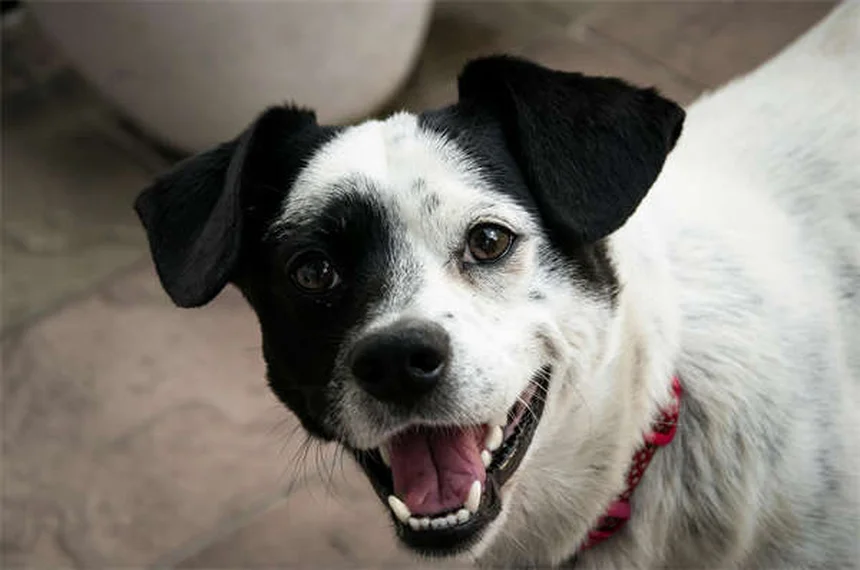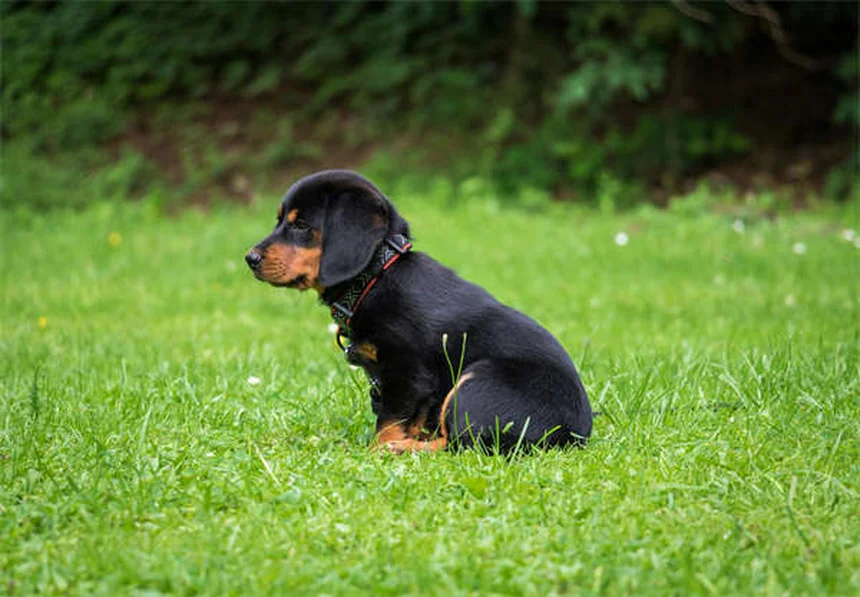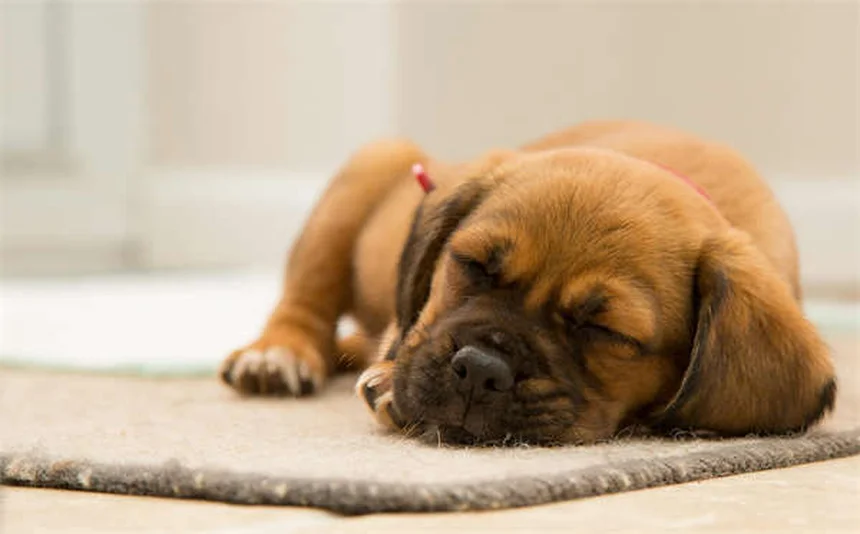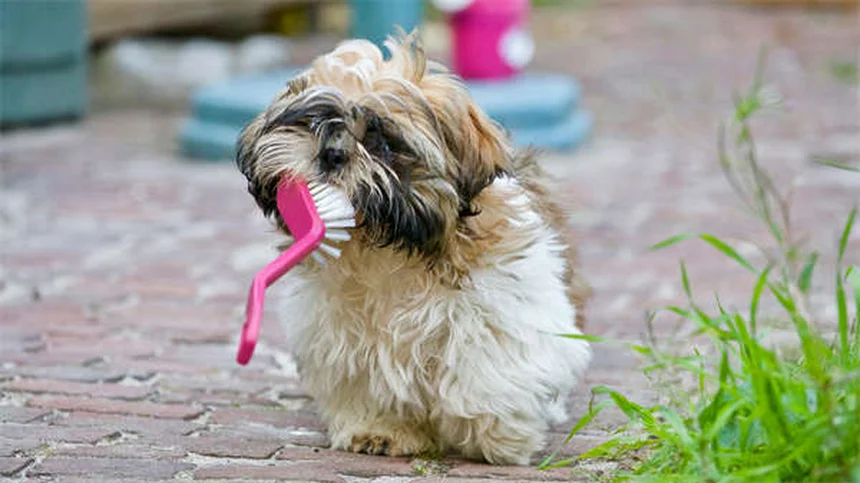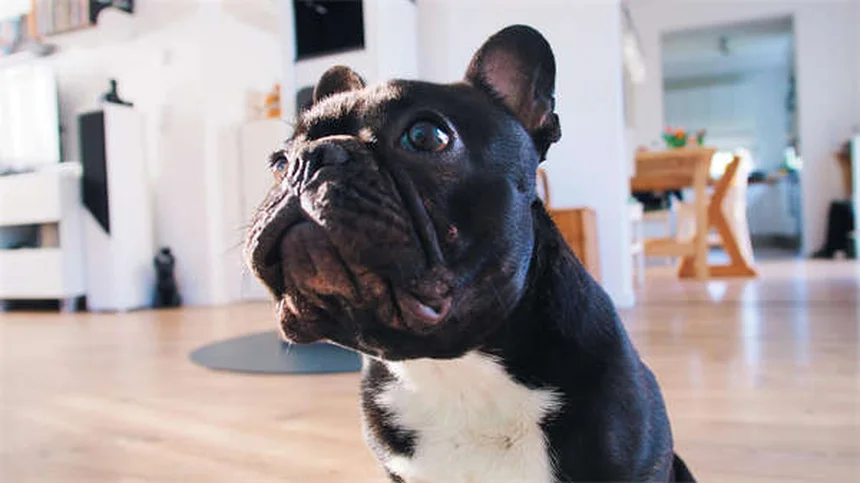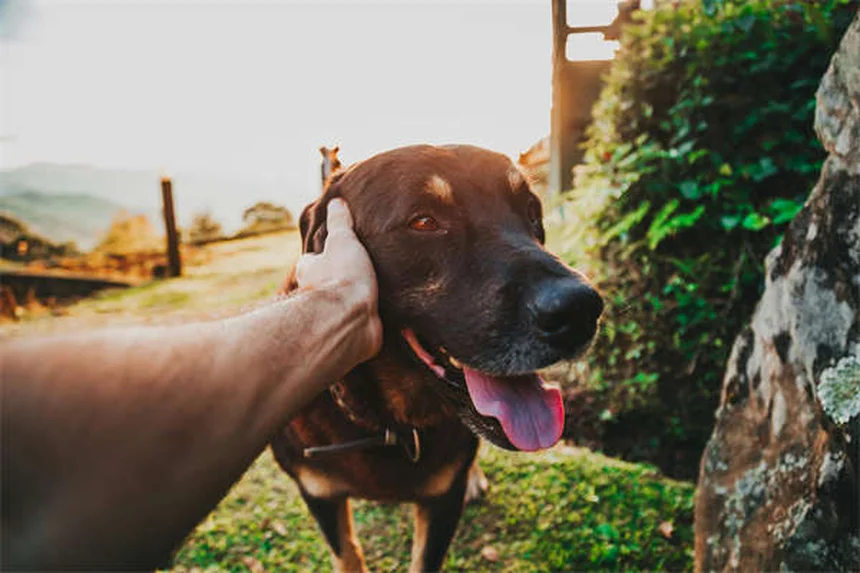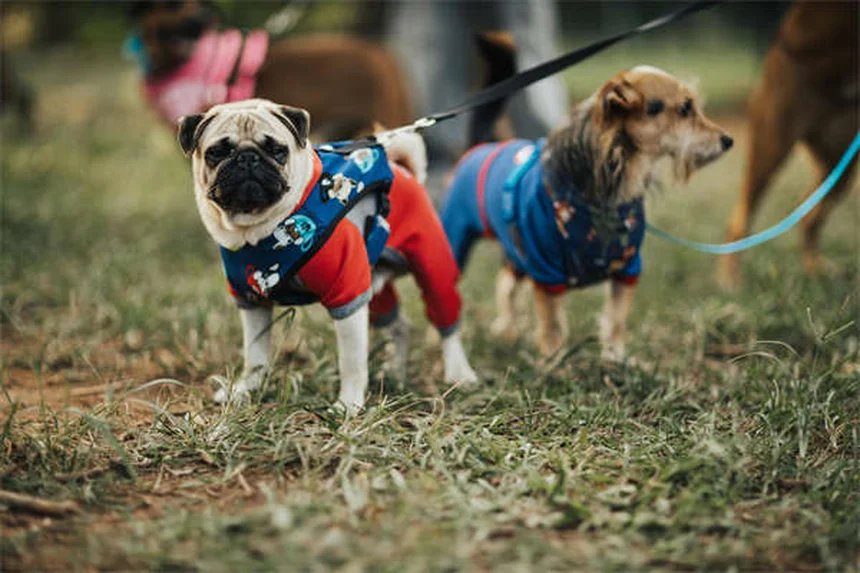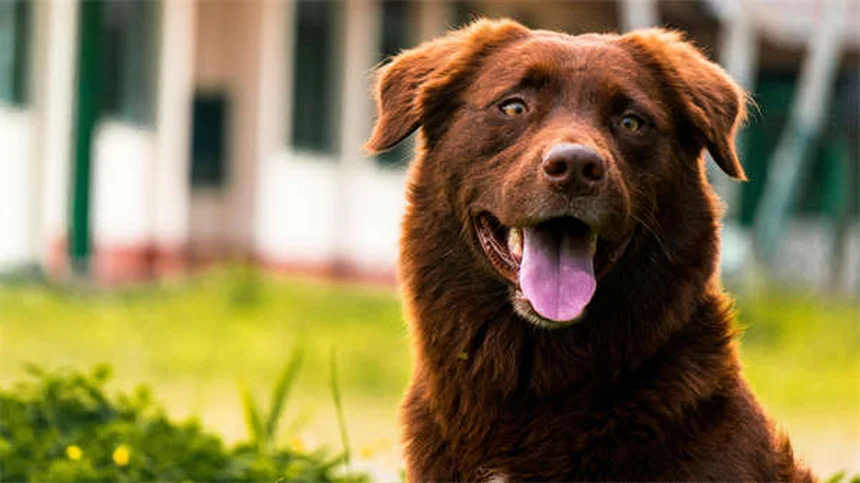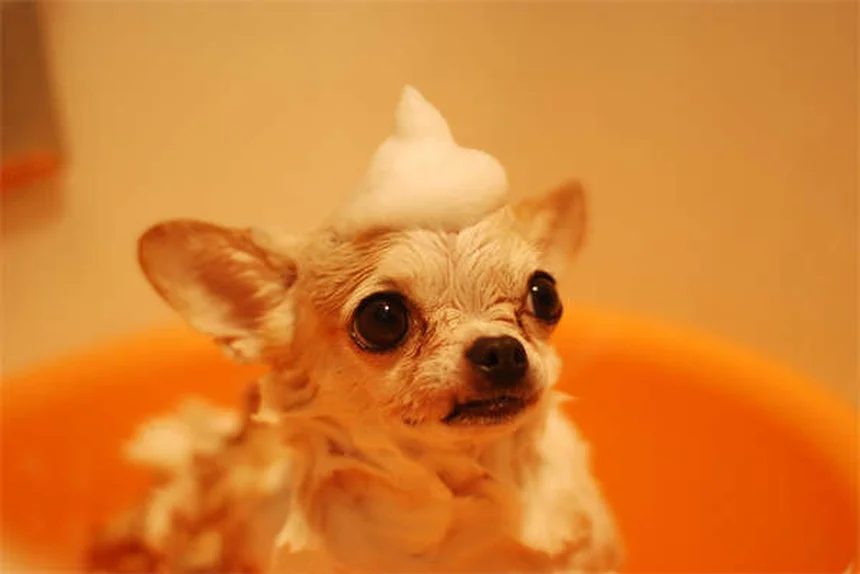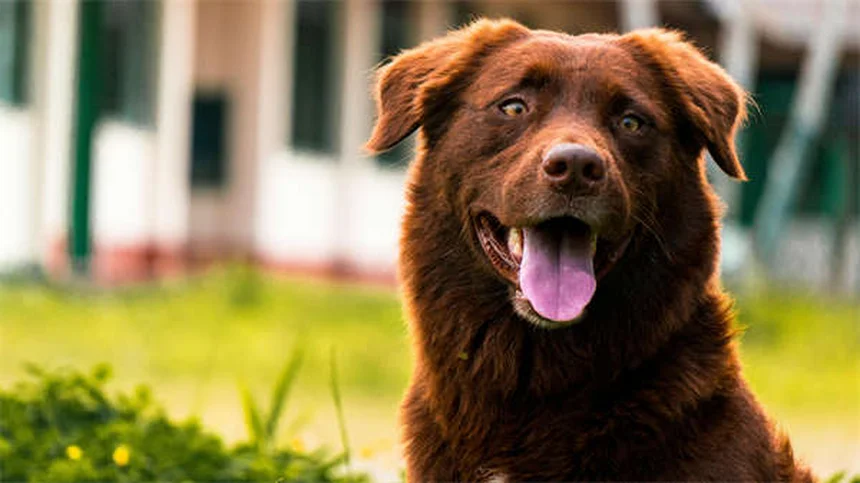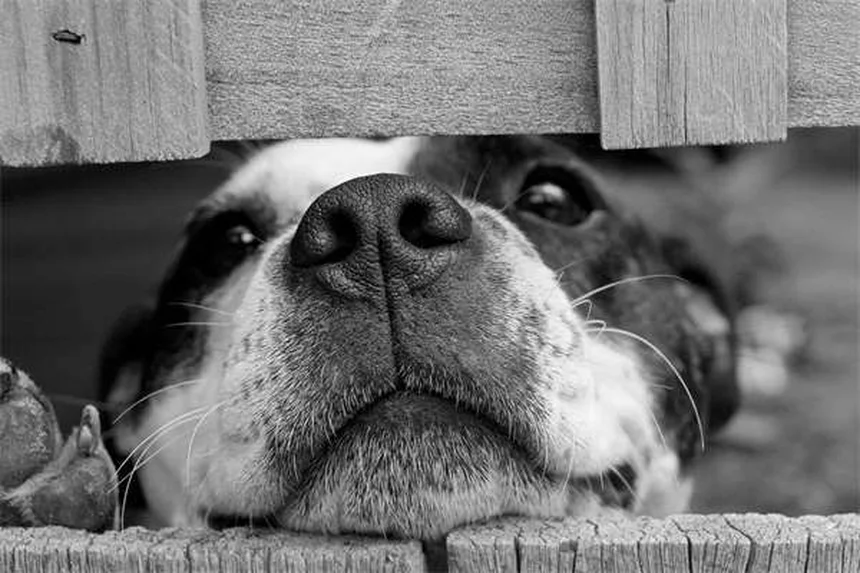

Why does my dog sit on my feet? The answer is simple: your dog adores you! When your furry friend plops down on your toes, it's their way of saying You're my person. This behavior combines affection, comfort, and instinct - like a canine love letter written with their behind!I've seen this countless times with my own dog. Whether I'm cooking dinner or binge-watching Netflix, there's always a warm, furry weight on my feet. It's not just about physical closeness - dogs use this position to regulate body temperature, reduce anxiety, and stay ready to follow your every move. Some breeds are more prone to this than others, but any dog can develop this sweet habit.Let's explore what your pup is really telling you when they turn your feet into their personal throne!
E.g. :Hyphema in Dogs: Causes, Symptoms & Emergency Treatment
- 1、Why Your Dog Becomes Your Foot Warmer
- 2、The Science Behind the Squish
- 3、When Your Dog Isn't a Foot Fan
- 4、Making Foot Time Better for Both of You
- 5、The Secret Language of Doggy Foot Warmers
- 6、Beyond Feet - Other Quirky Dog Behaviors Explained
- 7、Creating the Perfect Dog-Friendly Home
- 8、Understanding Your Dog's Unique Personality
- 9、FAQs
Why Your Dog Becomes Your Foot Warmer
Ever notice how your shadow has four legs and a wagging tail? Dogs stick to us like peanut butter on jelly - and sitting on our feet is one of their favorite ways to stay connected. Let's dig into this adorable behavior that turns your toes into a doggy throne!
The Love Connection
Your feet are prime real estate in your dog's world. Think about it - when you're sitting, your feet are the closest part of you to the ground. For many dogs, parking themselves there is like getting VIP seats to the "Owner Show."
My Labrador, Biscuit, does this every evening during dinner prep. While I'm chopping veggies, he becomes a 75-pound foot warmer. The tile floor might be cool, but apparently my feet make better cushions! Some dogs prefer hard surfaces, while others enjoy the squishiness of your slippers. Either way, it's their version of a hug.
Anxiety or Comfort? Reading the Signs
Is your pup sitting on your feet because they're nervous? Here's how to tell:
| Relaxed Behavior | Anxious Behavior |
|---|---|
| Soft, wiggly body | Stiff posture |
| Happy tail wags | Tail tucked under |
| Content sighs | Excessive panting |
During last Fourth of July, Biscuit transformed into a furry pancake on my feet at every firework boom. The pressure seemed to calm him - like a weighted blanket for his nerves. If your dog suddenly becomes your foot accessory during storms or vet visits, they're probably seeking security.
The Science Behind the Squish
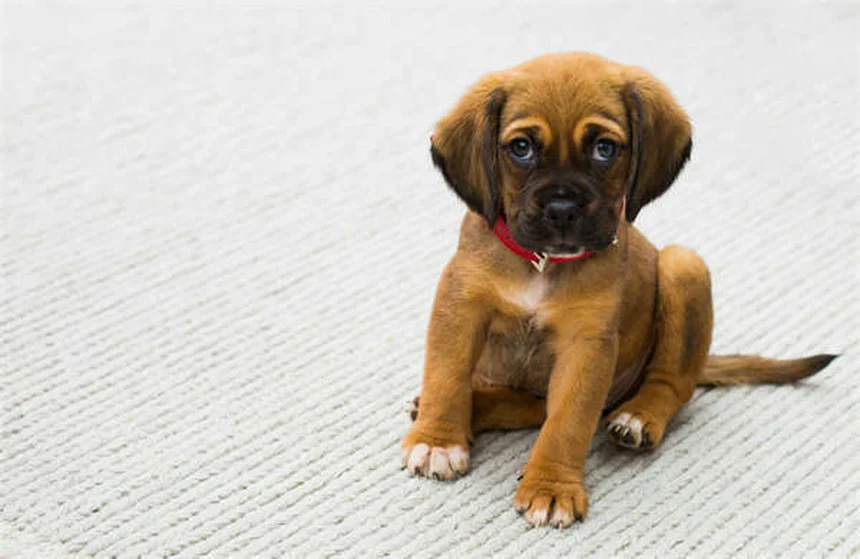 Photos provided by pixabay
Temperature Regulation
Dogs don't sweat like we do. Your feet might be the perfect temperature Goldilocks zone - not too hot, not too cold. Smaller breeds especially love stealing your body heat. My neighbor's Chihuahua, Taco, uses feet like personal space heaters!
Ever wonder why they choose feet over laps? Simple - feet are accessible whether you're standing or sitting. Plus, let's be honest, some of us have pretty warm laptops that might not be the most comfortable canine nap spots.
The Attention Game
Here's a fun experiment: Next time your dog sits on your feet, count how long it takes you to pet them. Gotcha! They've trained you well. This behavior often gets reinforced because we can't resist those puppy eyes at ankle level.
Biscuit has this down to a science. Foot sit = ear scratches. Floor sit = ignored. Guess which position he chooses when I'm on phone calls? These clever pups learn what works to get our attention!
When Your Dog Isn't a Foot Fan
Personal Space Pups
Not all dogs are foot-sitters, and that's perfectly normal. Some prefer to:
- Circle three times before lying nearby
- Keep watch from across the room
- Present toys instead of physical contact
My friend's Greyhound, Noodle, thinks feet are for stepping over, not sitting on. She shows affection by dramatically flopping onto her dog bed nearby and sighing loudly. Every dog has their own love language!
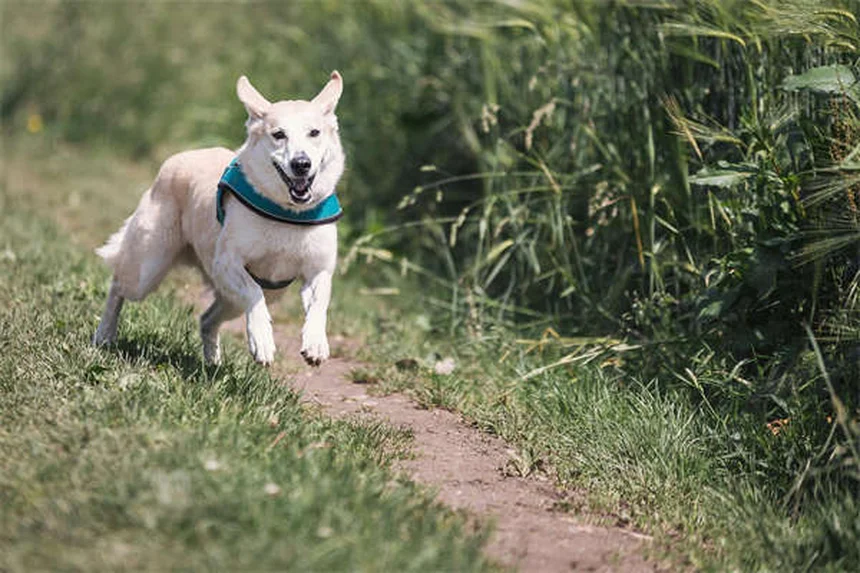 Photos provided by pixabay
Temperature Regulation
Let's be real - a Great Dane sitting on your feet would be... problematic. Larger breeds often adapt by sitting beside you instead. It's the thought that counts! Meanwhile, my cousin's Pomeranian uses feet as launch pads for couch access. Different strategies, same goal - being close to their favorite human.
Making Foot Time Better for Both of You
Comfort Tips
If your dog's foot obsession becomes uncomfortable, try these tricks:
- Keep a small dog bed near your usual sitting spots
- Place an old shirt with your scent where you'd like them to lie
- Gently redirect them with treats when they settle in the right spot
Remember - this behavior comes from love. With patience, you can find solutions that keep everyone happy. Now if you'll excuse me, I need to go rescue my slippers from under a sleeping Labrador!
The Secret Language of Doggy Foot Warmers
You know that warm, fuzzy feeling when your dog plops down on your feet? That's not just random - it's canine communication at its finest! Let's explore some fascinating aspects of this behavior you might not have considered.
The Pack Mentality in Modern Dogs
Dogs are descendants of wolves, and that pack instinct still runs strong in their DNA. When your pup sits on your feet, they're essentially saying "You're my pack leader" in dog language. It's their way of showing respect and claiming you as their person.
Think about how wolves sleep in piles for warmth and security. Your living room might not be the Arctic tundra, but that same instinct makes your dog seek physical contact. My friend's rescue dog, Max, went from sleeping in corners to becoming a permanent foot warmer after just two weeks - that's trust developing right under your toes!
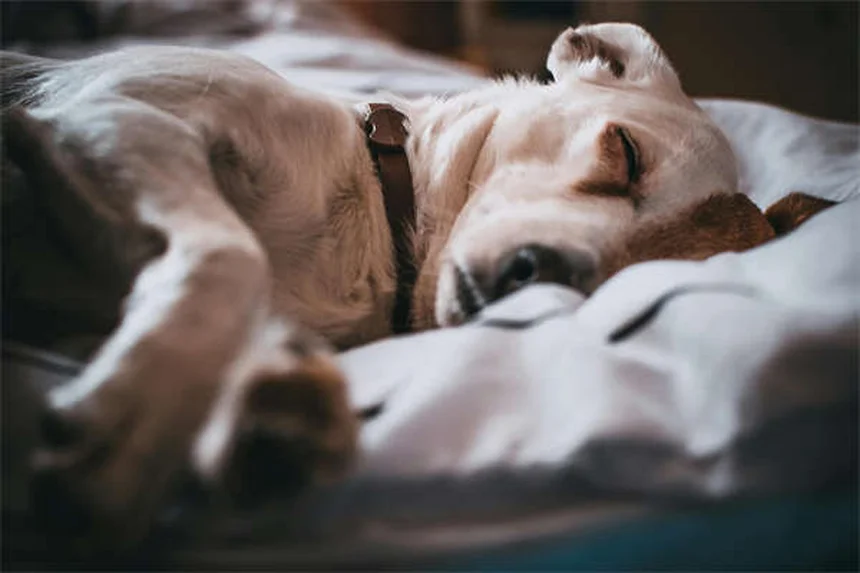 Photos provided by pixabay
Temperature Regulation
Here's something wild - your feet actually smell amazing to your dog! While we're busy spraying Febreze, dogs are comforted by our natural scent. Feet happen to be one of the strongest scent-producing areas on our bodies.
Ever notice how your dog sniffs your shoes? That's like reading your personal newspaper! When they sit on your feet, they're surrounding themselves with your familiar smell. It's the canine equivalent of wrapping yourself in your favorite cozy blanket.
Beyond Feet - Other Quirky Dog Behaviors Explained
The Circle Dance Before Lying Down
Why do dogs spin in circles before settling? This goes back to their wild ancestors who would trample grass to create a comfortable sleeping area. Modern dogs might have memory foam beds, but that instinct remains strong!
My sister's Golden Retriever, Butter, does at least five circles before collapsing dramatically. Sometimes she gets distracted mid-spin and has to start over - it's like watching a furry ballerina with ADHD!
The Head Tilt Mystery
That adorable head tilt isn't just for show - dogs do it to better locate sounds. Their ear anatomy allows them to pinpoint noises more accurately when they adjust their head position. It's also a sign they're really trying to understand you!
When I ask Biscuit "Want to go outside?" he cocks his head so far I worry it might fall off. The funniest part? He does it even when I whisper the question - proving dogs have way better hearing than we do!
Creating the Perfect Dog-Friendly Home
Temperature Zones for Comfort
Different breeds have different temperature preferences. Check out this quick guide:
| Breed Type | Preferred Temperature | Favorite Spot |
|---|---|---|
| Northern Breeds (Huskies, Malamutes) | Cooler (50-65°F) | Tile floors, shady spots |
| Short-haired Breeds (Greyhounds, Chihuahuas) | Warmer (70-80°F) | Sun patches, your lap (or feet!) |
| Double-coated Breeds (Goldens, Shepherds) | Moderate (60-75°F) | Wherever you are! |
Isn't it interesting how your dog's breed affects their behavior? That's why my neighbor's Husky would rather sleep in the bathtub than cuddle, while Taco the Chihuahua tries to burrow into my sweater!
Creating Safe Spaces
Every dog needs a retreat when they feel overwhelmed. Here's how to make one:
- Use a crate with comfortable bedding (leave the door open)
- Place it in a quiet corner with a view of family activities
- Add an item with your scent like a worn t-shirt
When we set up a "safe cave" for Biscuit using an old blanket and my college sweatshirt, his separation anxiety improved dramatically. Now he chooses between his cave and my feet - the ultimate doggy dilemma!
Understanding Your Dog's Unique Personality
The Social Butterfly vs The Lone Wolf
Just like people, dogs have different social needs. Some want constant contact (hello, Velcro dogs!), while others prefer occasional check-ins. Neither is wrong - it's about understanding your pup's comfort level.
Remember Noodle the Greyhound? She's perfectly happy observing from across the room, while Butter the Golden needs to be touching someone at all times. Both are normal, healthy expressions of doggy personality!
Energy Levels Through the Day
Ever notice how your dog's behavior changes throughout the day? Most dogs follow a pattern:
- Morning: Energetic and playful
- Midday: Lazy and sleepy
- Evening: Another burst of energy
- Night: Snuggly and calm
This explains why Biscuit does zoomies at 7 PM sharp every evening, then transforms into a foot-warming pancake by 9 PM. Understanding these rhythms helps you plan walks, playtime, and cuddle sessions!
The Power of Positive Reinforcement
Want to encourage (or discourage) certain behaviors? Positive reinforcement works wonders. When Biscuit sits nicely instead of jumping, he gets praise and treats. Simple, effective, and builds trust!
Here's a pro tip: Keep treats in strategic spots around the house. I have jars in the living room, kitchen, and by the front door. That way, I can quickly reward good behavior whenever it happens. Just be warned - your dog will soon learn all the treat locations!
E.g. :[Discussion] Dog sitting on feet? Dominance issue? True or false. : r ...
FAQs
Q: Is it normal for my dog to always sit on my feet?
A: Absolutely! Many dogs naturally gravitate to their owner's feet because it's the perfect spot for affection and security. Think of it like your dog's favorite parking space - close enough for contact but with a good view of your movements. My neighbor's Golden Retriever does this so consistently we joke he's velcroed to her ankles! Unless your dog shows signs of distress (like trembling or whining), this is usually just their way of saying "I love being near you."
Q: Why does my anxious dog sit on my feet during storms?
A: When anxious, dogs often seek physical contact as emotional support. Your feet provide steady pressure that can feel calming, like a security blanket. During last summer's thunderstorms, I noticed my dog would press his entire weight against my feet - it's called "grounding" in animal behavior terms. The contact helps them feel anchored when scared. Try placing a weighted blanket nearby as an alternative if the foot-sitting becomes uncomfortable.
Q: Do certain breeds sit on feet more than others?
A: Smaller breeds and velcro dogs are especially prone to this behavior! Dachshunds, Chihuahuas, and Terriers often use feet as personal heaters. Herding breeds like Collies may do it to stay ready to follow your movements. But I've seen Labs, Poodles, and even Great Danes (carefully!) adopt this habit. It really depends more on your dog's personality than their breed. My sister's Mastiff mix thinks he's a lapdog - or should I say, footdog!
Q: How can I stop my dog from sitting on my feet?
A: First, ask yourself why you want to change this adorable behavior! If it's truly bothersome, try positive redirection. Keep a comfy bed nearby and reward your pup when they use it. I trained my dog to sit beside me instead by consistently offering treats when he chose the "side position." Remember - this behavior stems from love, so be patient. It took us about three weeks of consistent training to establish new habits.
Q: Should I worry if my dog suddenly starts sitting on my feet?
A: Sudden behavior changes always warrant attention. If your normally independent dog becomes a foot magnet, check for physical discomfort or environmental stressors. A vet visit can rule out pain issues. I once fostered a senior dog who started this behavior - turns out his arthritis made him seek the warmth of human contact. Most times it's nothing serious, but it's better to be safe than sorry with our furry friends!