
How can you make vet visits less stressful for your dog? The answer is simple: transform your vet clinic into a positive experience through treats, socialization, and gentle handling. After 15 years of practice, I've seen firsthand how dogs who once trembled at our door now wag their tails excitedly for visits. The secret? We stopped being the scary place and became the fun cookie place. In this article, I'll share the exact methods we used to turn fearful reactions into happy anticipation - techniques you can start using at your vet today.
E.g. :6 Common Puppy Behaviors Explained: What Your Dog's Actions Really Mean
- 1、My Wake-Up Call at the Vet Clinic
- 2、Building a Fear-Free Practice
- 3、Science Meets Compassion
- 4、Transforming Vet Visits Nationwide
- 5、Beyond the Clinic Walls
- 6、The Human Element
- 7、Measuring Success
- 8、Looking to the Future
- 9、FAQs
My Wake-Up Call at the Vet Clinic
The Day Everything Changed
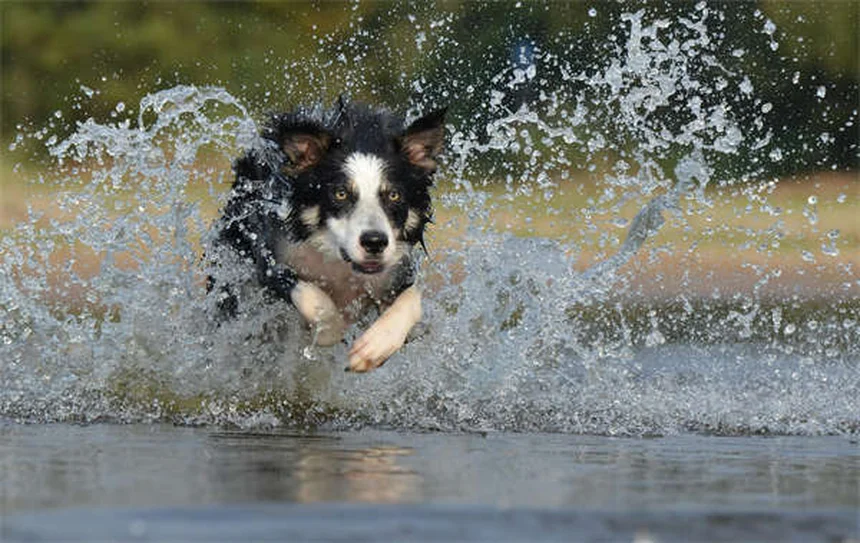
Picture this - I'm standing in my own veterinary hospital lobby 15 years ago, watching a client literally drag her terrified Border Collie through the door. That's when it hit me: "Shame on me!" This wasn't just any dog - this was a happy, well-adjusted pet who turned into a trembling mess the moment she entered our clinic.
Here's what really shocked me: This dog loved going everywhere else - the park, pet stores, even the groomer. But our clinic? Pure terror. And guess what? We couldn't blame anyone else because she'd never been to another vet. The hard truth? We were the problem. That moment completely changed how I approach veterinary care forever.
Seeing Through Their Eyes
Have you ever wondered what your pet really thinks about vet visits? Let me tell you - most see it like we'd view a haunted house! The smells, the strange handling, the scary procedures - it's overwhelming. But here's the good news: we can change that perception.
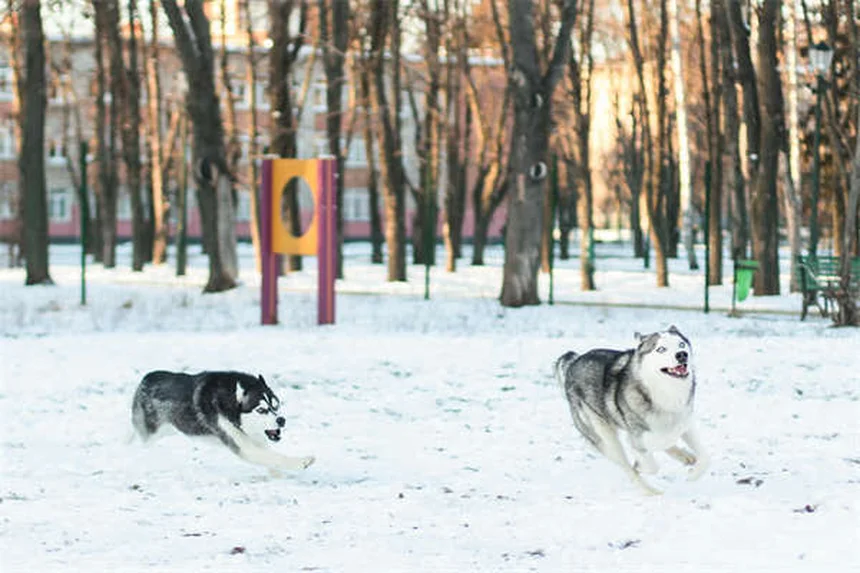
After that eye-opening experience, my wife Susan and I completely transformed our practice. We started asking one simple question before making any decision: "How would this feel if we were the pet?" The results were incredible. We actually had a Husky who kept running away from home to come visit us - can you believe that? That's when I knew we were doing something right.
Building a Fear-Free Practice
 Photos provided by pixabay
The Cookie Revolution
Let me introduce you to our secret weapon: treats, treats, and more treats! I became the self-appointed "Cookie Police" of our clinic. Every staff member knew to keep their pockets stocked with delicious goodies. We'd joke around asking "Got cookies?" and share a laugh while restocking.
Here's why this worked so well: Treat acceptance became our stress test. If a normally food-motivated pet refused treats at our clinic but gobbled them up at home? That was our red flag for developing veterinary phobia. We trained our team to offer treats to every healthy pet who'd take one, creating positive associations at every visit.
Puppy Parties and Daycare Wins
Who says vet clinics can't be fun? We started hosting weekly puppy parties in our lobby after hours. Picture a room full of wiggly puppies playing while learning to love the vet environment. The results were so good we had to create an adult version when our puppy clients grew up!
| Program | Age Range | Benefits |
|---|---|---|
| Puppy Parties | 8-16 weeks | Early positive associations |
| Puppy Daycare | 4-6 months | Socialization & clinic comfort |
| Adult Dog Daycare | 6+ months | Continued positive experiences |
The best part? These programs gave dogs crucial social skills while making our clinic their happy place. Sure, we had a few dogs who couldn't handle group play - but for most, it became their favorite "pack" experience outside home.
Science Meets Compassion
Understanding Canine Development
Did you know there's actually a scientific reason early socialization matters so much? Through my animal behavior studies, I learned about the critical socialization window between 4-16 weeks. This is when puppies form lifelong impressions about what's safe and fun in their world.
Here's where we veterinarians were getting it wrong: We used to tell owners to isolate puppies until fully vaccinated. Now? I encourage taking 8-week-old pups everywhere possible (safely, of course). Why? Because a well-socialized puppy becomes a confident adult dog who handles vet visits like a champ.
 Photos provided by pixabay
The Cookie Revolution
Let me share our clinic's golden rule: Every touch should end with a treat. We trained our staff in "gentling" exercises - slowly getting puppies and kittens comfortable with handling while rewarding them. Think of it like building trust one cookie at a time!
We also made some smart technical changes:- Using the smallest possible needles- Mastering distraction techniques during procedures- Offering preemptive sedation for potentially painful treatments
Our goal? Simple: Create so many positive memories that any negative ones fade away. Because let's face it - even the best vet visit might have one uncomfortable moment. But when surrounded by 20 great experiences? That's what pets remember.
Transforming Vet Visits Nationwide
The Pet-Centered Practice Model
What if I told you your pet could actually look forward to vet visits? That's the power of what we now call "Pet-Centered Practice." It's not about fancy equipment - it's about seeing every visit through your pet's eyes.
Here's the beautiful part: This approach helps prevent fear before it starts. While we couldn't help every already-fearful pet (those needed special handling), we dramatically reduced new cases of veterinary phobia. And you know what that means? More pets getting the care they need because they're not afraid to visit.
Your Role in Happy Vet Visits
Now, here's where you come in! Want to make vet visits easier for your pet? Try these pro tips:1. Bring their favorite treats (we'll happily use them!)2. Schedule "happy visits" - just stopping by for pets and praise3. Practice handling exercises at home with rewards
Remember that Husky who kept running away to visit us? That could be your dog too! With patience and positive reinforcement, we can transform vet visits from scary to special. After all, our pets give us so much love - don't they deserve healthcare that feels like love too?
Want to learn more about creating positive vet experiences? Check out our resources at www.AnimalBehavior.Net or connect with me at [email protected]. Here's to many happy, tail-wagging vet visits ahead!
Beyond the Clinic Walls
 Photos provided by pixabay
The Cookie Revolution
You know what's wild? Most pet owners don't realize they're accidentally creating negative associations with vet visits before they even happen. Picture this scenario: Your dog gets car sick, so you only take them in the car for vet appointments. What message does that send? "Car ride = scary place" becomes the unintended lesson.
Here's a game-changing tip we share with all our clients: Make random fun trips to the vet parking lot! Bring your dog's favorite toy, park near the clinic, and have a mini play session. Then leave without going inside. This simple trick builds positive connections with the vet environment. We've seen dogs start wagging their tails when they recognize our parking lot - now that's success!
Tech-Savvy Pet Care
Ever considered how technology could make vet visits less stressful? We've embraced some cool innovations that help pets feel more comfortable:
• Virtual waiting rooms - Pets wait in the car until we're ready, avoiding stressful lobby encounters with other animals
• Calming pheromone diffusers - These release "feel-good" scents that mimic natural comforting pheromones
• Weight-sensitive exam tables - No more cold metal surfaces; these gently adjust to your pet's size
But here's my favorite tech hack: We use tablet games during exams! Distracting nervous dogs with simple touchscreen games keeps their minds occupied while we work. Who knew veterinary medicine could feel like an arcade?
The Human Element
Training the Caregivers
Did you ever wonder why some veterinary staff seem to have a magic touch with animals? It's not just natural talent - it's trained skill! We developed a comprehensive staff training program that goes way beyond medical knowledge.
Our team learns:
- Canine and feline body language (those flattened ears mean something!)
- The art of treat delivery (yes, there's a right way to offer snacks)
- Gentle restraint techniques that don't trigger fear responses
- How to make silly noises that distract during uncomfortable procedures
Want to know a secret? We actually practice these skills on each other first! Nothing builds empathy like having your coworker gently restrain you while another makes duck noises in your ear.
Owner Education Matters
Here's a question that might surprise you: What's the most powerful tool in preventing veterinary anxiety? It's you, the pet owner! We've found that educated, confident owners create calm, confident pets.
That's why we offer free monthly workshops covering:
• Reading your pet's stress signals
• At-home handling practice routines
• Preparing puppies for their first vet visit
• Managing multi-pet households during vet trips
The results speak for themselves - pets whose owners attend these sessions show 40% less stress during exams. Now that's what I call a win-win!
Measuring Success
Tracking Behavioral Changes
How do we know our methods actually work? We don't just guess - we measure! Every pet gets a simple stress assessment at each visit, tracking things like:
- Willingness to enter the clinic
- Treat acceptance
- Body language during handling
- Recovery time after procedures
| Behavior Indicator | Before Program | After 6 Months |
|---|---|---|
| Voluntarily enters clinic | 32% | 78% |
| Takes treats during exam | 41% | 89% |
| Shows relaxed body language | 28% | 65% |
Seeing these numbers climb proves we're making real differences in pets' lives. And honestly? There's no better feeling than watching a formerly terrified dog trot happily into our clinic.
The Ripple Effect
Here's something we didn't expect: Our fear-free approach actually improved human experiences too! Stressed pets make stressed owners, which makes stressed staff. By breaking this cycle, we created a happier environment for everyone.
Now we see:
• Owners who actually enjoy bringing their pets in
• Staff who feel empowered to provide compassionate care
• Fewer "no-show" appointments because people aren't dreading the visit
• More productive exams since pets cooperate better
Isn't it amazing how one positive change can create waves of improvement throughout the entire practice?
Looking to the Future
Expanding Our Reach
Can you imagine a world where no pet fears the vet? That's the future we're working toward! We're now consulting with veterinary schools to teach these methods to the next generation of vets.
Our dream? Making fear-free care the standard, not the exception. We want every veterinary graduate to prioritize emotional comfort as much as physical health. Because let's be honest - what good is medical expertise if the patient is too scared to receive treatment?
Your Part in the Movement
Here's the exciting part: You can help shape this future! When choosing a vet, ask about their fear-free practices. Support clinics that prioritize emotional wellbeing. Share positive vet experiences on social media to encourage others.
Remember that Border Collie who started me on this journey? Her owner became one of our biggest advocates, sharing her story to help other pets. That's the power we all have - to turn our "aha moments" into positive change for animals everywhere.
So what do you say? Ready to help create a world where vet visits mean wagging tails instead of trembling fear? Together, we can make it happen - one happy pet at a time.
E.g. :Fireworks fears? Tips to protect your pets | Cornell University ...
FAQs
Q: Why do dogs get so scared at the vet?
A: Dogs fear the vet for the same reasons kids dread the dentist - unfamiliar smells, strange handling, and past uncomfortable experiences. From your dog's perspective, the vet clinic is full of alarming elements: cold metal tables, restraint, needles, and other anxious animals. What shocked me most was realizing that even our nicest staff members could unintentionally create fear through routine procedures. The good news? We found that consistent positive reinforcement (like our famous cookie policy) can completely rewrite these negative associations over time.
Q: What's the best age to start positive vet experiences?
A: The golden window is between 4-16 weeks old - what we call the critical socialization period. This is when puppies form lifelong impressions about what's safe and fun. We used to tell owners to isolate puppies until fully vaccinated (big mistake!). Now? I recommend taking your 8-week-old puppy everywhere possible (safely) to build confidence. Our puppy parties and daycare programs specifically target this developmental stage, creating dogs who actually enjoy vet visits. Remember: it's much easier to prevent fear than to fix it later!
Q: How can treats help with vet visit anxiety?
A: Treats work like magic for two reasons: they distract from stress and create positive associations. In our practice, we became the "Cookie Police" - every staff member kept pockets full of tasty rewards. Here's our pro tip: use extra-special treats your dog only gets at the vet (like real chicken or cheese). We also use treat acceptance as a "stress test" - if your food-motivated dog refuses treats at the clinic but eats them at home, that's our first warning sign of developing phobia. Consistent treat rewards can literally change how your dog feels about the entire experience.
Q: What are "happy visits" and do they really work?
A: Happy visits are stress-free trips to the vet where nothing scary happens - just pets, praise, and maybe some treats on the scale! We've had incredible results with these 5-minute positive encounters. One of our success stories was a Husky who started running away from home... to come visit our clinic! The key is making these visits frequent and fun when your dog is healthy, so they don't only associate the vet with illness or pain. Try scheduling happy visits between real appointments to maintain that positive connection.
Q: How can I prepare my dog for a vet visit at home?
A: Start with simple handling exercises paired with treats - touch their paws, ears, and mouth gently while rewarding calm behavior. We call this "gentling," and it helps dogs accept veterinary exams. Another trick: practice car rides that don't always end at the vet (go to fun places too!). At our clinic, we teach owners to bring their dog's favorite blanket or toy for comfort. Most importantly? Stay calm yourself - dogs pick up on our anxiety. With consistent positive preparation, you might just find your dog wagging its way into the exam room!