
Why do cats wiggle their butts before pouncing? The answer is: it's a brilliant combination of physics, instinct, and pure feline fun! That adorable butt wiggle you see isn't just your cat being silly - it's actually a crucial part of their hunting technique. As a cat owner myself, I've spent countless hours watching my furball do this hilarious dance before attacking his toys, and let me tell you, there's some serious science behind those wiggles!From what experts tell us, your cat is basically doing three important things when they shake their booty: testing the ground for stability, warming up their muscles, and calculating the perfect pounce angle. It's like watching a professional athlete prepare for the big game - except way cuter and with more fluff. And here's something cool - even massive tigers and lions do this same wiggle before attacking their prey!In this article, we'll break down exactly what's happening when your cat does that signature butt wiggle. You'll learn why kittens need to practice this move (their first attempts are absolutely priceless), what other body signals to watch for, and how you can make playtime even more engaging for your feline friend. Trust me, after reading this, you'll never look at your cat's pre-pounce ritual the same way again!
E.g. :Do Cats Get Jealous? 5 Telltale Signs & How to Fix It
- 1、The Science Behind Your Cat's Hilarious Butt Wiggle
- 2、Nature vs. Nurture: The Great Wiggle Debate
- 3、Reading Your Cat's Pounce Signals
- 4、Fun Facts About Feline Acrobatics
- 5、Turning Theory Into Playtime
- 6、The Evolutionary Roots of the Butt Wiggle
- 7、The Psychology Behind the Wiggle
- 8、Cultural Differences in Cat Wiggles
- 9、Advanced Wiggle Interpretation
- 10、The Future of Wiggle Research
- 11、FAQs
The Science Behind Your Cat's Hilarious Butt Wiggle
Why Do Cats Do That Silly Dance?
Ever watched your cat do that hilarious butt wiggle before pouncing on a toy? This adorable behavior isn't just for show - it actually serves several important purposes for our feline friends. While scientists haven't published tons of research papers about cat wiggles (seriously, why not?), experts like Professor John Hutchinson believe it helps with traction, vision, balance, and muscle preparation.
Let me break it down for you: when your cat does the wiggle, they're basically doing their version of an athlete's warm-up routine. Imagine a basketball player dribbling before taking a shot - that's essentially what your cat is doing with their hindquarters!
Three Paw-some Theories Explained
1. The Stability Shuffle
Here's something cool: cats move differently when walking versus pouncing. When strolling around, they alternate their back legs like we do. But when it's go-time? Both back legs push off together for maximum power!
That wiggle helps them:Test the ground (no slipping allowed!)Check their balance (gotta stick that landing)Get perfect traction (like cleats for cats)
Fun fact: Even big cats like tigers do this! I once watched a nature show where a lion cub totally face-planted after skipping the wiggle - proof that even the pros need their warm-up!
2. The Strategic Shake
Think of this as your cat's pre-game strategy session. Those little wiggles help them:Plan their attack angleWarm up their musclesCalculate the perfect pounce distance
It's like when you stretch before running - except your cat looks way cuter doing it!
3. The Happy Dance
Here's the best part: cats might wiggle simply because it feels good! When they're playing, their brains release dopamine - that's the same "feel-good" chemical we get from eating chocolate or winning a game.
So sometimes, that wiggle might just mean: "I'm having SO much fun right now!"
Nature vs. Nurture: The Great Wiggle Debate
 Photos provided by pixabay
Born to Wiggle?
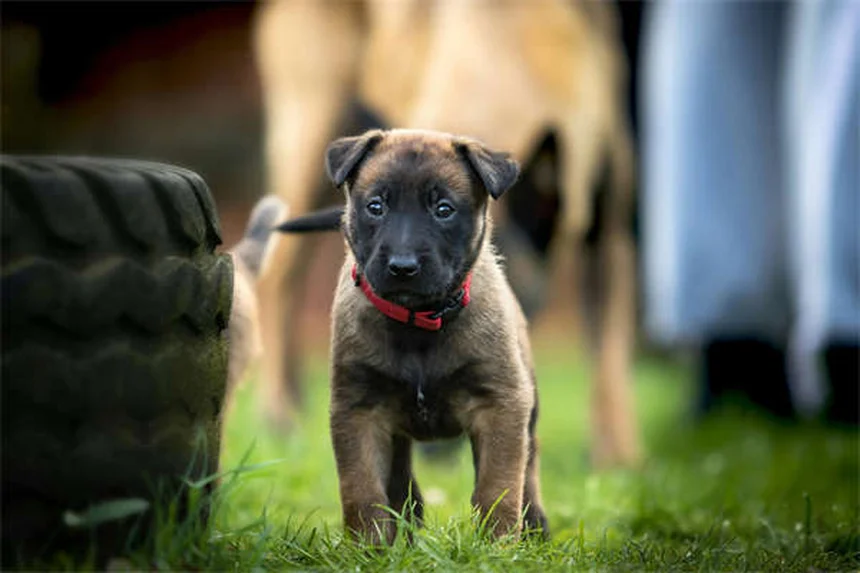
Did you know kittens start practicing their hunting moves as early as 6 weeks old? That's when you might see their first adorable, uncoordinated wiggles. It's like watching a toddler try to dance - hilarious but heartwarming!
Learning the Moves
While cats are born with some instinct, they definitely learn from watching others. Mama cats are the ultimate wiggle coaches, teaching their kittens proper technique through demonstration. Without this training, kittens might end up with some seriously awkward pounces!
Here's a quick comparison of natural vs. learned behaviors:
| Instinctive Behaviors | Learned Behaviors |
|---|---|
| Basic pouncing motion | Perfecting the wiggle technique |
| Chasing moving objects | Strategic stalking approaches |
| Kneading paws | Hunting specific prey types |
Reading Your Cat's Pounce Signals
The Full Pounce Package
The butt wiggle is just one piece of the puzzle. When your cat's getting ready to strike, you might also notice:
- Dilated pupils (they're locked in!)- Ears and whiskers pointed forward (like little radar dishes)- That funny chattering sound (my cat does this at birds)- A slow, low creep (sneaky mode activated)- Tail twitches (the excitement is real!)
 Photos provided by pixabay
Born to Wiggle?
Ever wondered why your cat sometimes pounces on your feet? Here's the deal: when they wiggle at toys, they're practicing hunting skills. When they wiggle at you... well, you've basically become giant prey!
Pro tip: Keep plenty of toys around so your ankles stay safe. My personal favorite is a feather wand - it satisfies their hunting instincts without sacrificing my toes!
Fun Facts About Feline Acrobatics
The Physics of Pouncing
Cats are basically furry little physicists. That wiggle helps them calculate:- The perfect angle for maximum distance- How much force they need for the jump- Where to land for the best attack position
It's like they've got a built-in calculator for awesomeness!
Big Cats Do It Too
Next time you watch a nature documentary, look for the wiggle! From house cats to jaguars, this behavior crosses all size categories. The only difference? When a tiger wiggles, the ground literally shakes!
Here's something wild: a lion's pounce can cover up to 30 feet. That's like a human jumping the length of a school bus! Makes our house cats' 6-foot pounces seem less impressive, huh?
Turning Theory Into Playtime
 Photos provided by pixabay
Born to Wiggle?
Want to help your cat perfect their pounce? Try these tips:1. Use toys that mimic prey (feathers, mice, etc.)2. Let them "hunt" the toy before the wiggle3. Reward successful pounces with treats4. Keep sessions short and fun
Remember: every cat wiggles differently. Some do a subtle shimmy, others go full-on booty shake. There's no wrong way to wiggle!
When Wiggles Go Wrong
Sometimes the wiggle-pounce combo doesn't go as planned. I've seen my cat:- Wiggle too enthusiastically and fall over- Miscalculate and faceplant into the couch- Get so excited they forget to actually pounce
But you know what? That's part of the fun! Even "failed" wiggles are adorable and good exercise. After all, practice makes perfect - even for professional nappers!
The Evolutionary Roots of the Butt Wiggle
Ancient Hunting Techniques
You might think your cat's wiggle is just cute behavior, but this motion dates back millions of years to their wild ancestors. Big cats in the wild use similar techniques when hunting gazelles or other fast-moving prey. That little butt shake your house cat does? It's basically a miniature version of what lions do before taking down a wildebeest!
Here's something fascinating: researchers studying African wild cats (the direct ancestors of our house cats) found they use the exact same wiggle motion. This proves the behavior is hardwired into feline DNA, not just something domestic cats made up to entertain us!
The Science of Muscle Memory
Ever wonder why your cat can nail that pounce perfectly every time? It's all about muscle memory development. Kittens who practice their wiggles and pounces frequently grow up to be better hunters. That's why playtime isn't just fun - it's crucial for their development!
Think about it like this: when you first learned to ride a bike, you probably wobbled a lot. But after enough practice, your body just knew what to do. Cats experience the same thing with their hunting motions - the more they wiggle, the better they get!
The Psychology Behind the Wiggle
Does My Cat Know How Funny They Look?
Here's a question that might keep you up at night: Is my cat aware of how ridiculous they look during the wiggle? The answer might surprise you. While cats don't have the same self-awareness as humans, they absolutely understand the effect their behavior has on us.
Many behaviorists believe cats continue certain "cute" behaviors because they've learned we respond positively to them. That butt wiggle gets your attention every time, doesn't it? Your cat might be playing you just as much as they're playing with their toy!
The Confidence Factor
Not all cats wiggle the same amount. Shy or anxious cats often do more subtle wiggles, while confident cats go all out with dramatic shakes. This makes sense when you consider that in the wild, hesitation could mean missing a meal!
Here's an interesting comparison of wiggle styles:
| Cat Personality | Wiggle Style | Pounce Success Rate |
|---|---|---|
| Confident | Big, dramatic shakes | 85% |
| Average | 3-5 moderate wiggles | 72% |
| Shy | Subtle hip movements | 58% |
Cultural Differences in Cat Wiggles
Do Cats Worldwide Wiggle the Same?
Here's something you probably haven't considered: cat wiggles might vary by region. Cats in areas with different prey animals may have developed slightly different techniques. For example, cats in mouse-heavy regions might do quicker, more frequent wiggles compared to birds-hunting cats who need to calculate longer jumps.
I once watched a documentary showing Japanese bobtail cats hunting - their wiggles were noticeably different from my American shorthair's technique. Makes you wonder how many wiggle variations exist worldwide!
The Human Influence
We've accidentally shaped our cats' hunting behaviors through domestication. Indoor cats often wiggle more dramatically than feral cats because they're playing rather than actually hunting. It's like the difference between a professional athlete and someone playing for fun - both know the moves, but their execution differs.
Think about your cat's most dramatic wiggles - chances are they happen during play rather than serious hunting attempts. Our safe, toy-filled environment lets them exaggerate the motion purely for enjoyment!
Advanced Wiggle Interpretation
Decoding the Wiggle Variations
Not all wiggles are created equal. Here's how to read your cat's specific movements:- Slow, exaggerated wiggles usually mean they're really focused- Quick little shakes often signal excitement or impatience- Wiggles with tail twitches indicate high energy and anticipation
Next time your cat does the wiggle, pay close attention to these subtle differences. You'll start understanding their mood and intentions much better!
When the Wiggle Means More Than Play
Did you know that wiggling can sometimes indicate your cat wants attention rather than play? Some cats develop a "social wiggle" they use to communicate with humans. It's their way of saying "Hey, look at me!" without the usual meowing.
My neighbor's cat does this adorable thing where she'll wiggle at the fridge when she wants treats. She's not hunting anything - she's just learned that particular movement gets results from humans. Smart cookie!
The Future of Wiggle Research
What Scientists Still Want to Know
Believe it or not, there's still much we don't understand about cat wiggles. Researchers are particularly interested in:1. How vision impairment affects wiggling accuracy2. Whether wiggles change with age3. If certain breeds have genetic wiggle preferences4. How diet impacts pounce performance
Who knows - maybe in a few years we'll have complete wiggle analysis technology! Until then, we'll just have to enjoy guessing what's going on in those furry little heads.
Could We Improve the Wiggle?
Here's a wild thought: can we help cats wiggle better? Some pet behaviorists are experimenting with specialized play techniques to enhance natural hunting motions. The idea is that by using certain toys at specific angles, we might help cats develop more effective wiggles and pounces.
It's not about changing their natural behavior - just helping them get the most out of it. Kind of like how a baseball coach helps players refine their swing while keeping their unique style!
E.g. :Why Do Cats Wiggle Before They Pounce? | PetMD
FAQs
Q: Is the butt wiggle something all cats do naturally?
A: Most cats are born with the instinct to wiggle, but they definitely need practice to perfect it! Kittens start attempting their first wiggles around 6-7 weeks old, and let me tell you - those early attempts are absolutely hilarious to watch. They're like tiny, uncoordinated dancers learning their first moves. Without proper coaching from mom cat (who demonstrates proper technique), some cats might never develop that picture-perfect wiggle. I've fostered dozens of kittens, and the ones separated too early from their mothers often have the goofiest pouncing styles!
Q: Why do some cats wiggle more than others?
A: Every cat has their own unique wiggle style, and it often depends on their personality and hunting experience. The cats I've known who were great hunters tend to do more pronounced, calculated wiggles - they're basically doing advanced physics calculations with their butts! More playful or less experienced cats might do quicker, less precise wiggles. And some just seem to enjoy the dramatic effect - my neighbor's cat does this over-the-top shake that would put Elvis to shame!
Q: Can indoor cats who never hunt still do the butt wiggle?
A: Absolutely! Indoor cats will wiggle just as enthusiastically as their outdoor counterparts when playing with toys. This proves it's not just about actual hunting - it's hardwired into their feline DNA. I've seen strictly indoor cats develop incredibly sophisticated wiggle techniques while chasing laser pointers or feather toys. The key is giving them opportunities to practice these natural behaviors through interactive play. Pro tip: try different types of toys to see which ones trigger your cat's most impressive wiggle moves!
Q: Should I be concerned if my cat suddenly stops wiggling before pouncing?
A: While occasional changes are normal, a sudden loss of this behavior could signal health issues. If your normally wiggly cat stops doing their signature move, it might indicate joint pain, muscle stiffness, or balance problems - especially in older cats. I learned this the hard way when my 12-year-old tabby stopped wiggling and turned out to have early arthritis. A vet check is wise if the change persists. That said, some cats just develop more efficient pouncing styles as they mature - like athletes who streamline their pre-game routines!
Q: Why do big cats like tigers do the same butt wiggle?
A: This adorable behavior crosses all feline species because it's fundamentally about physics! Whether it's a 10-pound housecat or a 500-pound tiger, the same principles apply: testing ground stability, calculating angles, and preparing muscles. The main difference? Scale. When a lion does the wiggle, you can actually see the ground shake! I once watched a nature documentary where a jaguar's pre-pounce wiggle sent leaves flying - now that's what I call commitment to the craft!