
Flyball for dogs is the ultimate brain and body workout for your energetic pup! The answer is clear: yes, flyball is fantastic for most dogs - especially those with energy to spare. Think of it as your dog's personal Olympics, combining speed, agility, and teamwork into one action-packed sport. I've seen firsthand how flyball transforms hyperactive dogs into focused athletes while strengthening the bond between pups and their owners. Whether you've got a Border Collie that never stops moving or a Labrador that lives for fetch, flyball provides the perfect outlet for that canine energy. Just last week at our local club, I watched a once-shy rescue dog blossom into a confident flyball competitor - proof that this sport offers more than just physical benefits. Before you dive in, remember to check with your vet to make sure your dog is ready for the action!
E.g. :7 Essential Horse Feeding Tips for Optimal Health & Performance
- 1、Flyball: The Ultimate Playdate for Your Energetic Pup
- 2、Flyball vs. Agility: What's the Difference?
- 3、Is Flyball Right for Your Dog?
- 4、Training Your Dog for Flyball Success
- 5、Finding Your Flyball Community
- 6、The Secret Sauce of Flyball Success
- 7、Beyond the Basics: Unexpected Benefits of Flyball
- 8、Flyball Gear: More Than Just Tennis Balls
- 9、Flyball Myths Debunked
- 10、Flyball Life Lessons (Yes, Really)
- 11、Flyball-Inspired Games for Everyday Fun
- 12、FAQs
Flyball: The Ultimate Playdate for Your Energetic Pup
Why Your Dog Will Go Nuts for Flyball
Picture this: your dog sprinting like a furry lightning bolt, jumping hurdles with the grace of a gazelle, and catching tennis balls mid-air like a pro athlete. That's flyball in action! This isn't just exercise - it's a full-body workout that'll make your pup's tail wag faster than a metronome on turbo mode.
Flyball combines the best parts of dog sports: speed, teamwork, and that magical moment when your dog realizes "Wait... I get to play AND make my human proud?" It's like the canine version of the Olympics, but with more slobber and fewer drug tests.
The Science Behind the Fun
Did you know a 30-minute flyball session can burn more energy than an hour-long walk? Check out these numbers:
| Activity | Calories Burned (30lb dog) | Mental Stimulation |
|---|---|---|
| Regular Walk | 150 calories | Low |
| Dog Park Visit | 200 calories | Medium |
| Flyball Session | 350+ calories | High |
Flyball vs. Agility: What's the Difference?
 Photos provided by pixabay
Team Spirit vs. Solo Acts
Imagine flyball as your dog's version of a relay race, while agility is more like an obstacle course competition. In flyball, your pup becomes part of a canine dream team, working with other dogs to complete the course. It's like the difference between playing basketball (flyball) and running track (agility).
Here's the kicker - while agility focuses on precision and handler-dog communication, flyball is all about raw speed and ball obsession. If your dog goes bananas for tennis balls, they'll probably pick up flyball faster than you can say "Fetch!"
Is Flyball Right for Your Dog?
The Energy Test
Does your dog:
- Zoom around the house like they're training for the Puppy Bowl?
- Bring you toys when you're trying to work?
- Have more energy than a toddler on a sugar high?
Health First, Medals Later
Before you start training, here's a crucial step many owners forget: visit your vet. Just like you wouldn't run a marathon without checking with your doctor, your pup needs a clean bill of health before hitting the flyball circuit. This is especially important for:
- Puppies under 15 months (their joints are still developing)
- Senior dogs (we want to keep them active safely)
- Dogs with previous injuries
Training Your Dog for Flyball Success
 Photos provided by pixabay
Team Spirit vs. Solo Acts
Training for flyball is like teaching a kid to ride a bike - you start with training wheels (basic commands) before moving to the Tour de France (competitive racing). Here's how we break it down:
Phase 1: Obedience Boot Camp
Your dog needs to master:- Rock-solid recall (come when called, even with distractions)- Stay commands (impulse control is key)- Basic directional cues (left, right, back)
Pro tip: Use high-value treats during training. I'm talking real high-value - the kind that makes your dog forget their own name. Think cooked chicken, cheese cubes, or that stinky salmon treat they go crazy for.
The Hurdle Hustle
Now for the fun part - teaching your dog to jump like a superstar. Start with these steps:
- Use a broomstick on the ground as your first "hurdle"
- Gradually raise it (we're talking inches here, not feet)
- Add more hurdles as your dog gains confidence
Remember that time you tried yoga for the first time and couldn't touch your toes? Your dog might feel the same about jumping at first. Patience and positive reinforcement are your best friends here.
Finding Your Flyball Community
Local Clubs: Your Ticket to the Big Leagues
Think flyball clubs are hard to find? Think again! Organizations like the North American Flyball Association have teams across the country. A quick Google search for "flyball near me" might reveal a hidden gem in your neighborhood.
What can you expect at your first practice? Picture a group of slightly crazy dog lovers (in the best way), a course full of hurdles, and enough tennis balls to make a Wimbledon ball boy dizzy. Most clubs welcome beginners with open arms - and plenty of advice for new handlers.
 Photos provided by pixabay
Team Spirit vs. Solo Acts
Not ready for team practice? No problem! You can start training at home with these simple setups:
- Use pool noodles as makeshift hurdles
- Create a ball launcher from PVC pipes
- Practice recalls in your backyard
Just remember - your neighbors might think you've lost your marbles when they see you setting up a dog obstacle course in your driveway. But hey, all great inventors were misunderstood at first, right?
The Secret Sauce of Flyball Success
It's All About the Bond
Here's something they don't tell you in the rulebooks: flyball isn't just about winning. It's about those moments when your dog looks to you for guidance, when you celebrate small victories together, and when you both collapse on the couch after practice, too tired to move but full of pride.
I'll never forget the first time my dog completed a full flyball run. The look in his eyes said it all - "Did you see that?! I'm basically a superhero!" Those are the moments that make all the training worth it.
Keeping It Fun
Ever notice how kids learn best when they're having fun? Dogs are the same! Keep training sessions short (15-20 minutes), end on a high note, and always, always make it a party when your dog gets something right. Dance like nobody's watching, use your silly "good dog" voice, and don't be afraid to look ridiculous.
After all, isn't that what being a dog parent is all about? Embracing the mess, the chaos, and the pure joy of watching your best friend discover something they love. Now grab those tennis balls and get ready for the adventure of a lifetime!
Beyond the Basics: Unexpected Benefits of Flyball
Socialization Supercharger
You know how kids make friends at soccer practice? Flyball does the same for dogs - but with way more tail wagging and fewer juice box spills. Regular flyball practice transforms shy pups into confident social butterflies faster than you can say "sniff my butt."
I've seen dogs who used to hide behind their owners at the dog park become the life of the flyball party. There's something magical about working as a team that brings out the best in our four-legged friends. Just last week, a formerly timid rescue dog on our team actually initiated play with three other dogs - a first in his two years of life!
Brain Gains You Can't Ignore
Think flyball is just about physical exercise? Think again! The mental workout your dog gets from flyball is like solving a Rubik's cube while running a marathon. Every jump, turn, and catch requires split-second decision making that keeps canine brains sharp.
Here's a fun fact: Dogs who participate in flyball show improved problem-solving skills in everyday situations. That dog who used to get stuck behind the couch? Now he backs out like a pro. The pup who couldn't figure out the dog door? She's in and out like a furry ninja.
Flyball Gear: More Than Just Tennis Balls
The Right Equipment Makes All the Difference
You wouldn't play basketball in flip flops, right? The same logic applies to flyball gear. While you can start with basic household items, serious flyball enthusiasts swear by these game-changers:
| Item | Budget Option | Pro-Grade Choice |
|---|---|---|
| Hurdles | Pool noodles + traffic cones | Adjustable competition hurdles ($50-$100 each) |
| Ball Launcher | PVC pipe contraption | Spring-loaded flyball box ($200-$500) |
| Training Treats | Hot dog pieces | Freeze-dried liver ($15/lb) |
But here's the real secret: The fanciest equipment won't help if you're not having fun. I've seen dogs perform miracles with homemade hurdles made from broomsticks and shoeboxes.
Safety First, Always
Let's talk about something serious for a moment - protecting those precious paws. Flyball involves a lot of running and turning, which can be tough on joints. Invest in proper flooring for home practice, like interlocking foam tiles or rubber mats.
And don't forget about hydration! I always bring a collapsible water bowl and electrolyte supplements to practices. You'd be surprised how many dogs get dehydrated during intense training sessions. My golden retriever once drank an entire water bottle in one go after a particularly energetic run!
Flyball Myths Debunked
"Only Certain Breeds Can Excel"
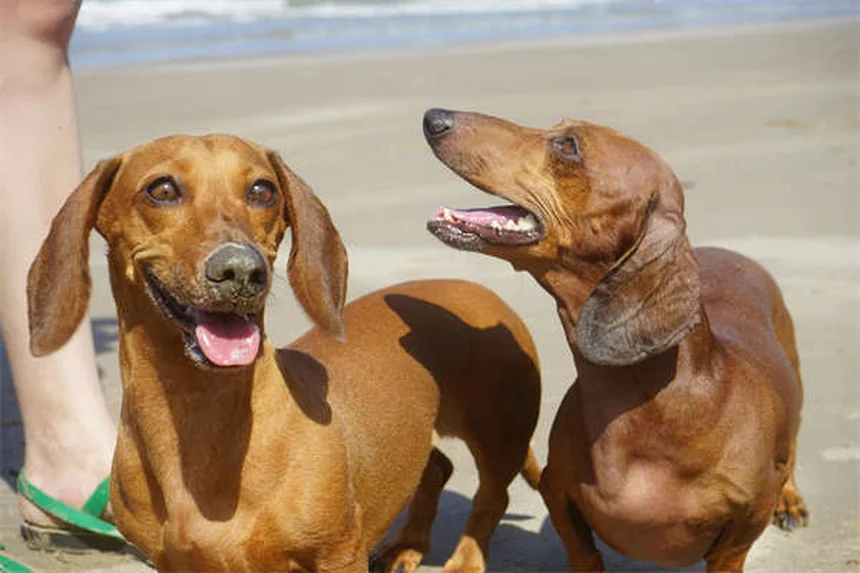
Ever heard that flyball is just for border collies? That's like saying only tall people can play basketball! While some breeds naturally take to the sport, I've seen everything from dachshunds to great danes rock the flyball course.
Take my neighbor's basset hound, for example. Everyone laughed when she signed him up. But that low-to-the-ground superstar? He's now the team's secret weapon on tight turns. His secret? Extra-stinky treats and the determination only a basset hound can muster.
"It's Too Competitive for Casual Dog Owners"
Here's the truth: competitive flyball is just one option. Most clubs welcome recreational players with open arms. You wouldn't believe how many teams have "just for fun" divisions where the only prize is bragging rights and maybe an extra belly rub.
My first flyball experience was with a team that emphasized fun over winning. We had a pug who took snack breaks mid-run and a lab who preferred carrying the ball in his mouth instead of returning it. We may not have won any tournaments, but we sure had the best time!
Flyball Life Lessons (Yes, Really)
What Dogs Teach Us About Teamwork
Watching flyball teams work together is like getting a masterclass in cooperation. These dogs show us how to:
- Celebrate each other's successes (the post-run butt sniff is basically a high five)
- Communicate without words (a well-timed bark can work wonders)
- Persevere through challenges (that "I'll get it next time" attitude)
Last season, our team's newest member - a hyperactive terrier mix - kept missing his jumps. Instead of getting frustrated, the other dogs would literally cheer him on with barks and playful nudges. If that's not teamwork, I don't know what is.
The Joy of Small Victories
In our instant-gratification world, flyball reminds us to appreciate progress. That first successful hurdle jump? Worth celebrating like you won the lottery. The first complete run without distractions? Break out the champagne (or in dog terms, the peanut butter Kong).
I'll never forget when my dog finally mastered the box turn after weeks of practice. We both collapsed in a happy heap on the grass, grinning like fools. In that moment, it didn't matter that we weren't the fastest team - we were making memories that would last a lifetime.
Flyball-Inspired Games for Everyday Fun
Backyard Variations
No flyball equipment? No problem! Here are three easy games that capture the spirit of flyball:
1. The Laundry Basket Challenge
Turn a laundry basket on its side as a makeshift flyball box. Toss the ball so it bounces out, and have your dog retrieve it. Bonus points for creative returns - my dog likes to drop the ball in my lap while I'm "not looking."
2. Couch Cushion Hurdles
Stack couch cushions (the ones you never use anyway) to create soft hurdles. Perfect for rainy days when you're both going stir-crazy. Pro tip: Use pillows as landing pads for those less-than-graceful jumps.
Park Play Adaptations
Next time you're at the dog park, try these flyball-inspired activities:
The Relay Race
Team up with another dog owner. One person holds both dogs while the other runs ahead with treats. Release the dogs one at a time to race for the prize. Warning: This usually dissolves into chaos, but the kind of chaos that creates the best memories.
Obstacle Course Lite
Use park benches as jumps, trees as weaving poles, and that one suspicious-looking puddle as the "water hazard" (because what dog can resist?). No rules, no pressure - just pure, unadulterated fun.
E.g. :Super Duper Flyball Training Video | Train Your Dog - YouTube
FAQs
Q: What exactly is flyball for dogs?
A: Flyball is like the canine version of a relay race with hurdles and tennis balls - pure doggy heaven! Teams of four dogs take turns racing down a course, jumping four hurdles, triggering a spring-loaded box that releases a tennis ball, then racing back with their prize. The first team to have all dogs complete the course without errors wins. What makes flyball special is how it combines physical exercise with mental stimulation. Your dog isn't just running - they're remembering sequences, timing their jumps, and working as part of a team. I've trained dozens of dogs for flyball, and the transformation in their focus and confidence is incredible. It's particularly great for ball-obsessed dogs who live for fetch!
Q: How is flyball different from dog agility training?
A: While both sports involve obstacles, flyball is all about speed and teamwork, while agility focuses on precision and handler communication. In agility, you're running alongside your dog guiding them through a unique course. Flyball? It's pure adrenaline - your dog memorizes a set pattern and races against other dogs. Think of it like the difference between figure skating (agility) and a 100-meter dash (flyball). From my experience coaching both sports, high-energy dogs who love repetition often prefer flyball, while dogs who enjoy problem-solving might lean toward agility. The coolest part? Many clubs let you try both to see which your dog prefers!
Q: What types of dogs are best suited for flyball?
A: Any dog can play flyball, but energetic breeds like Border Collies, Jack Russells, and Retrievers often excel. That said, I've seen surprising flyball stars - from tiny Papillons to giant Great Danes! The real requirements are simple: your dog should be at least 15 months old (to protect developing joints), moderately ball-motivated, and able to play nicely with other dogs. In our local league, we've got a Basset Hound who's slower but has perfect form, and a rescued mutt who outruns purebreds. The key is matching training to your dog's abilities - some will be competitive champions, others will enjoy it as fun exercise. Always remember: happy dogs make the best flyball athletes!
Q: How do I start training my dog for flyball?
A: Start with basic obedience before introducing flyball elements - it's like teaching a kid the alphabet before reading! First, ensure your dog has solid recall, stay, and basic directional commands. Then begin with single hurdles at ground level, gradually increasing height as your dog gains confidence. For the ball retrieve, use a cardboard box at first before moving to a spring-loaded box. Pro tip from my training experience: keep sessions short (5-10 minutes) and always end on a success. Many owners make the mistake of pushing too hard too fast - remember, we want this to feel like play, not work! Local flyball clubs often offer beginner classes that break down each skill.
Q: Where can I find flyball competitions or clubs near me?
A: Finding flyball communities is easier than you think! Organizations like the North American Flyball Association (NAFA) and United Flyball League International (U-FLI) have directories of local clubs across the country. I recommend starting with a Google search for "flyball clubs near me" or checking event listings at local dog parks. Most clubs welcome beginners and often host "demo days" where you can watch matches and ask questions. When I first started, I was amazed by how welcoming the flyball community was - experienced handlers happily shared tips and even lent us equipment. Don't be shy about reaching out; we were all beginners once, and nothing makes flyball folks happier than introducing new dogs to the sport!