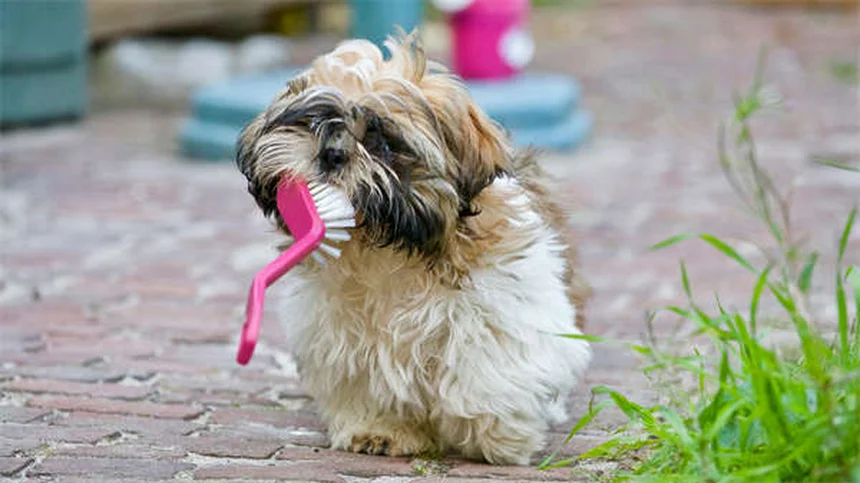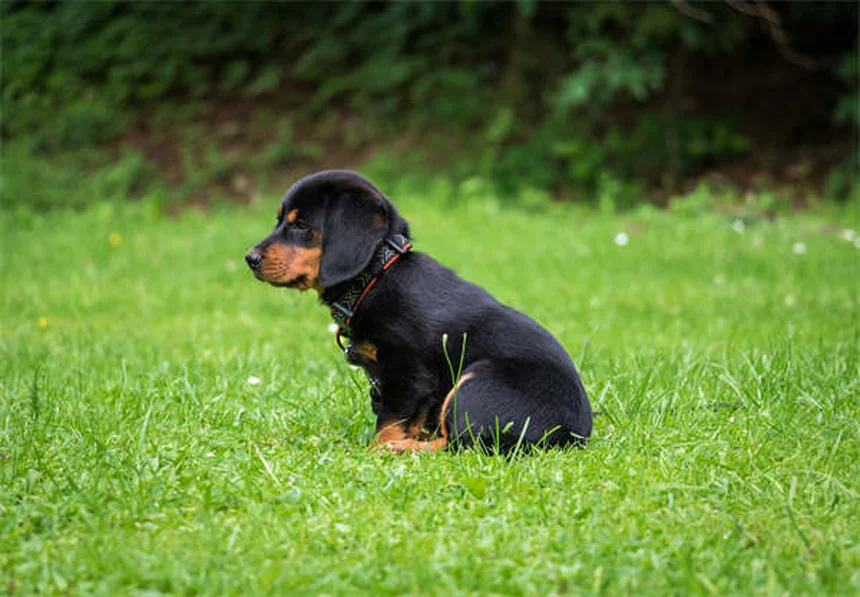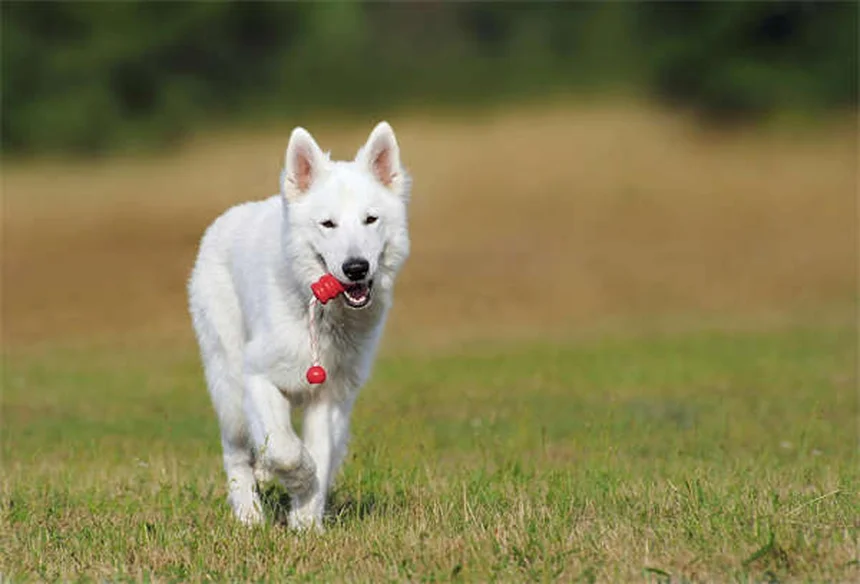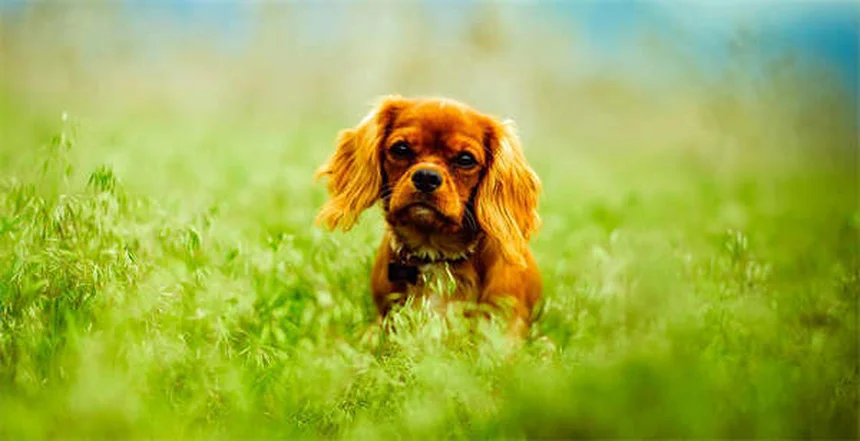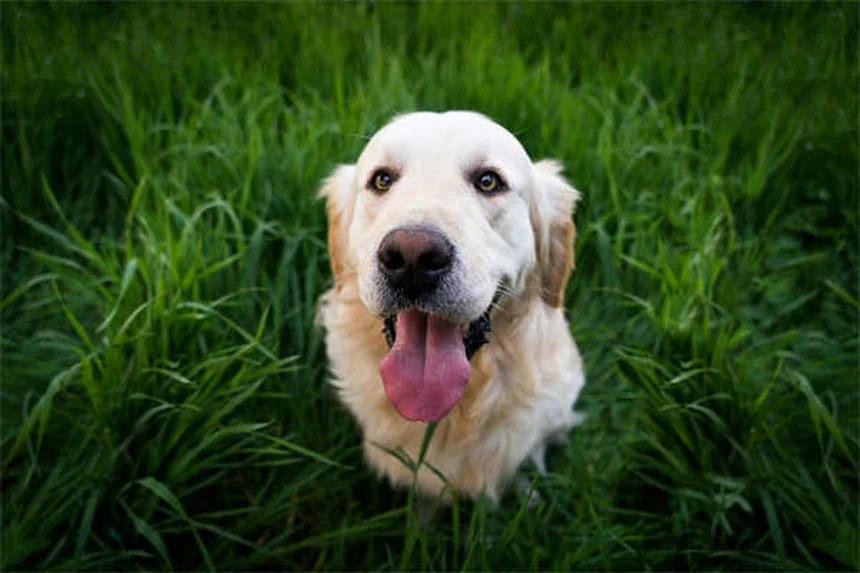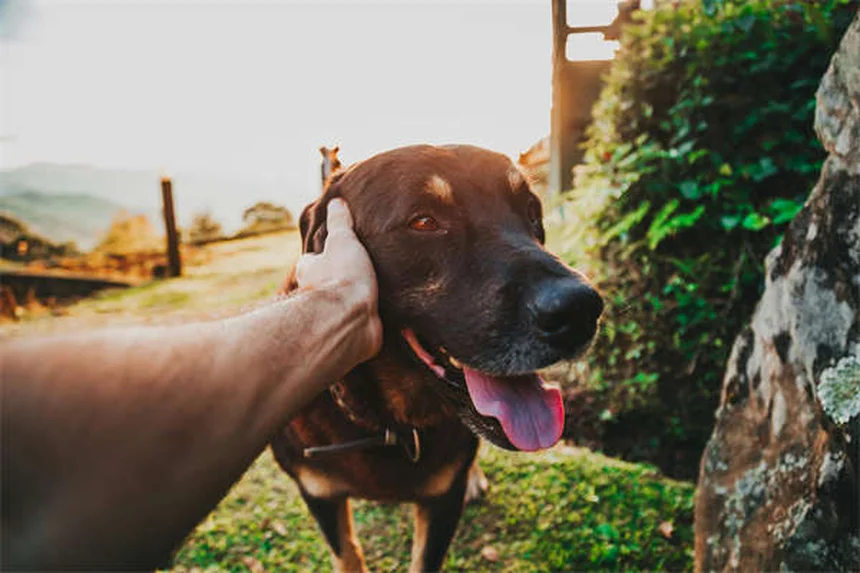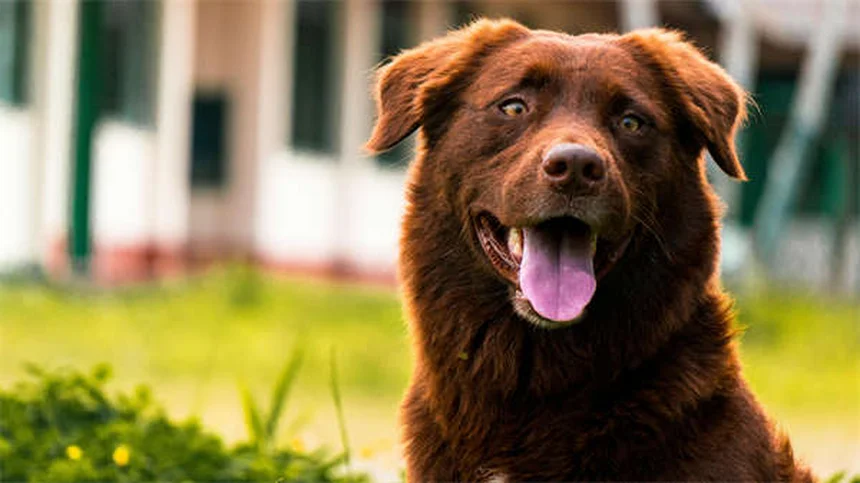

Looking for the best fluffy dog breeds to cuddle with? The answer is simple: fluffy dogs make incredible pets because of their soft coats and loving personalities! Whether you want a giant fluffball like a Great Pyrenees or a tiny puffball like a Pomeranian, these breeds offer endless snuggles and joy. I've personally worked with many of these breeds and can tell you - that moment when you sink your hands into their thick fur after a long day is pure therapy. But here's what you need to know: not all fluffy dogs are the same. Some shed like crazy while others barely leave a hair behind. Some need daily brushing while others can go a week between grooming sessions. Let me break down the key differences so you can find your perfect fluffy companion!
E.g. :5 Best Beginner Freshwater Aquarium Plants for Your Fish Tank
- 1、Why Fluffy Dogs Make the Best Pets
- 2、Giant Fluff Balls That Will Steal Your Heart
- 3、Medium-Sized Fluff Machines
- 4、Small But Mighty Fluff Balls
- 5、Fluffy Dogs With Unique Histories
- 6、Hypoallergenic Fluff Options
- 7、Working Dogs With Fluffy Coats
- 8、Rare Fluffy Breeds Worth Discovering
- 9、Cold-Weather Fluff Specialists
- 10、Choosing Your Perfect Fluffy Companion
- 11、The Secret Language of Fluffy Dogs
- 12、Fluffy Dogs in Pop Culture
- 13、The Unexpected Benefits of Fluffy Dog Ownership
- 14、Grooming Hacks for Fluffy Dog Owners
- 15、Fluffy Dogs Through the Seasons
- 16、The Psychology Behind Our Love for Fluffy Dogs
- 17、FAQs
Why Fluffy Dogs Make the Best Pets
The Irresistible Appeal of Fluffy Coats
Let's be honest - who can resist petting a dog with soft, thick fur? That warm, plush coat is like nature's stress reliever, and the best part? Most fluffy dogs absolutely love the attention! But here's something you might not know - not all fluffy coats are created equal.
Some breeds shed enough to make you question your life choices, while others barely leave a hair behind. The grooming needs vary wildly too - from weekly brushings to daily maintenance. Want to know which fluffy friend might be right for you? Let's dive into some of the most popular breeds and what makes each special.
Giant Fluff Balls That Will Steal Your Heart
The Gentle Guardian: Great Pyrenees
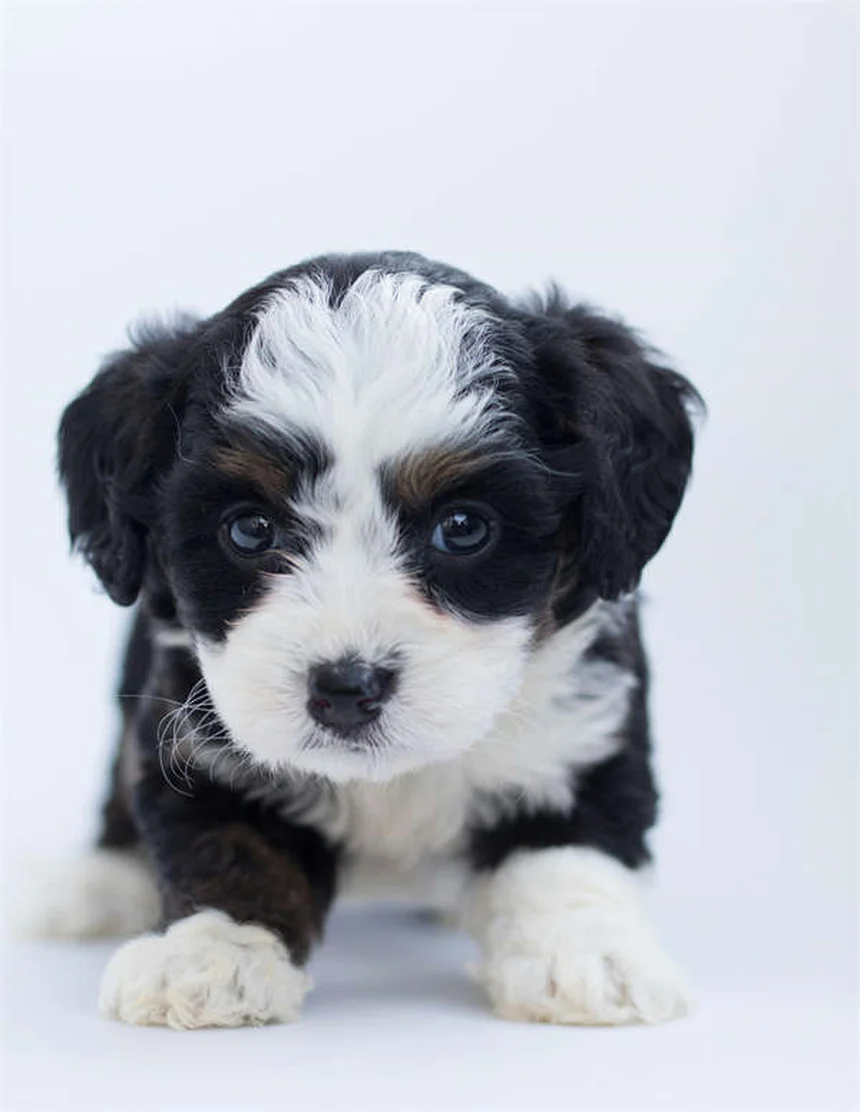
Picture this: a massive white cloud of fur with a heart of gold. That's the Great Pyrenees for you! Originally bred to protect sheep in the Pyrenees Mountains, these gentle giants now make wonderful family pets. But fair warning - their thick double coat sheds like crazy. You'll need to commit to weekly brushing sessions unless you want your home to look like it snowed indoors.
 Photos provided by pixabay
The Smiling Snowball: Samoyed
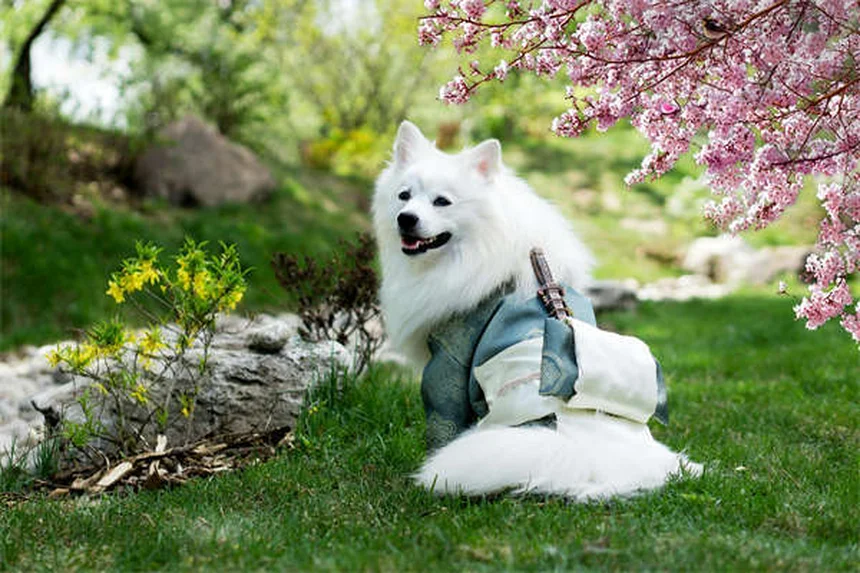
Ever seen a dog that looks like it's permanently smiling? Meet the Samoyed! These Siberian beauties have a pure white coat that served as insulation while they herded reindeer. Fun fact: their fur is so dense it actually helps regulate their body temperature in both hot AND cold weather. Pretty cool, right?
| Breed | Size | Grooming Needs | Shedding Level |
|---|---|---|---|
| Great Pyrenees | Giant | Weekly brushing | Heavy |
| Samoyed | Large | 2-3 times weekly | Moderate to heavy |
Medium-Sized Fluff Machines
The Classic Beauty: Collie
Remember Lassie? Those gorgeous flowing locks come in two varieties - rough (long) and smooth (short). But don't let their elegant appearance fool you - these dogs have energy to burn! You'll need to commit to at least an hour of exercise daily to keep your Collie happy and healthy.
The Water-Loving Fluff: Newfoundland
Newfoundlands are basically living teddy bears - if teddy bears weighed 150 pounds and drooled constantly. Their thick, water-resistant coat made them excellent rescue dogs, but it comes with a price: massive shedding. Invest in a good vacuum cleaner if you're considering one of these gentle giants!
Small But Mighty Fluff Balls
 Photos provided by pixabay
The Smiling Snowball: Samoyed
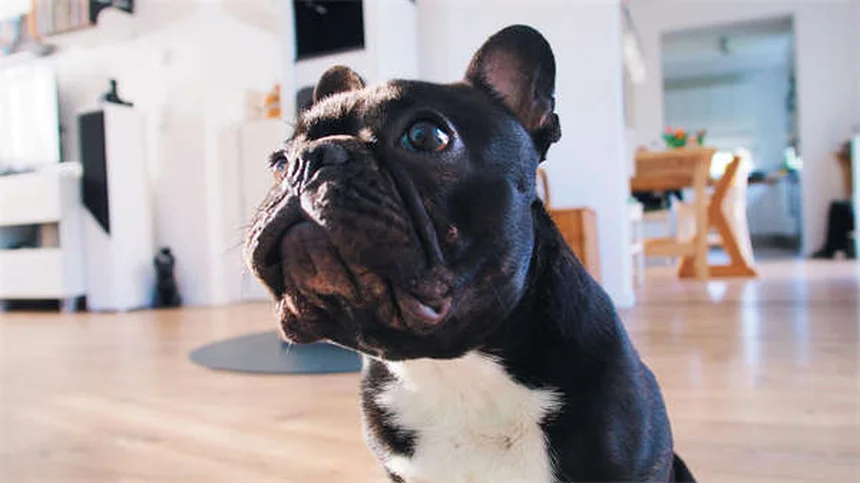
Pomeranians prove that big personalities come in small packages. These little balls of energy come in nearly every color imaginable, but one thing remains constant - their need for regular grooming. Twice-weekly brushings are the bare minimum to prevent their luxurious coat from turning into a tangled mess.
Did you know Pomeranians were actually much larger dogs originally? Through selective breeding, they've become the tiny fluffballs we know today. Talk about a glow-up!
The Rare Belgian Beauty: Schipperke
Pronounced "SKIP-per-kee," this little black fluffball has quite the history. Bred to hunt rats on barges, they're now more likely to hunt for your affection than pests. Their medium-length coat is surprisingly low-maintenance compared to other fluffy breeds - just a weekly brushing will do the trick.
Fluffy Dogs With Unique Histories
The Misnamed American: American Eskimo Dog
Despite the name, these dogs actually descend from German Spitz breeds. They come in three sizes (toy, miniature, and standard), all sporting that gorgeous white coat. Here's a question you might be wondering: Why are they called "Eskimo" dogs if they're not from Alaska? The name actually comes from marketing in the early 20th century when anything "Eskimo" was considered exotic and appealing.
 Photos provided by pixabay
The Smiling Snowball: Samoyed
With a mane that would make Simba jealous, Tibetan Mastiffs were bred to guard monasteries in the Himalayas. That impressive coat isn't just for show - it protected them from extreme cold. But be warned: these independent thinkers aren't for first-time dog owners. They need firm, consistent training from day one.
Hypoallergenic Fluff Options
The Curly Charmer: Bichon Frise
Looking for a fluffy dog that won't leave hair everywhere? The Bichon Frise might be your perfect match! Their curly coat sheds very little, making them a good option for allergy sufferers. Important note: no dog is 100% hypoallergenic, but Bichons come pretty close. Daily brushing is a must to prevent mats in those tight curls.
The Cuban Cutie: Havanese
As the only dog breed native to Cuba, Havanese dogs bring tropical charm in a fluffy package. Their silky coat can grow quite long, but many owners opt for a "puppy cut" to make maintenance easier. Either way, you'll need to brush several times a week to keep their fur looking its best.
Working Dogs With Fluffy Coats
The Brainy Beauty: Australian Shepherd
Aussies aren't just pretty faces - they're among the smartest dog breeds around. That gorgeous long coat served a practical purpose while herding sheep, but now it mostly serves to collect every burr and twig they encounter on adventures. Regular grooming is essential unless you want to spend hours picking nature out of their fur.
The Regal Fluff: Chow Chow
With their lion-like mane and distinctive blue-black tongue, Chow Chows turn heads wherever they go. But here's something you should know: Why do Chow Chows have blue tongues? It's actually a genetic trait unique to the breed, though no one knows exactly why it developed. These ancient Chinese dogs can be aloof, so early socialization is crucial.
Rare Fluffy Breeds Worth Discovering
The Nearly Lost Breed: Leonberger
Leonbergers almost disappeared during the World Wars, but thanks to dedicated breeders, we can still enjoy these gentle giants today. Their long, water-resistant coat requires daily brushing - skip a session and you'll quickly regret it when the mats start forming. But that beautiful golden coat is worth the effort!
The Living Rug: Old English Sheepdog
You'd be forgiven for mistaking an Old English Sheepdog for a mop with legs. That shaggy coat served to protect them from harsh weather while herding, but now it mostly serves to collect your heart - and every piece of debris in your yard. Be prepared to spend 3-4 hours weekly on grooming unless you keep them in a puppy cut.
Cold-Weather Fluff Specialists
The Arctic Worker: Alaskan Malamute
Bred to haul heavy loads in freezing temperatures, Malamutes have some of the densest fur in the dog world. That coat kept them warm while scaring off polar bears (seriously!), but it means constant shedding in your home. Daily brushing is non-negotiable unless you want to be buried in fur.
The Speedster: Siberian Husky
Huskies might be the most recognizable fluffy breed, thanks to their striking markings and wolf-like appearance. But that beautiful coat comes with challenges - they "blow coat" twice a year, shedding their entire undercoat in what can only be described as a fur apocalypse. Regular brushing helps, but during shedding season, you might as well just accept that fur will become your new decor.
Choosing Your Perfect Fluffy Companion
Now that you've met these amazing breeds, which one speaks to you? Remember, every fluffy dog comes with grooming responsibilities - some more than others. But isn't that small price to pay for all that soft, cuddly love?
Whether you're drawn to the giant Great Pyrenees or the tiny Pomeranian, one thing's for sure: life with a fluffy dog is never boring. Just make sure you've got a good vacuum cleaner and plenty of brushes before bringing one home!
The Secret Language of Fluffy Dogs
How Fluffiness Affects Canine Communication
You might think a dog's fluff is just for looks, but that luxurious coat actually plays a huge role in how dogs communicate. When a fluffy dog raises its hackles (the fur along its back), the effect is way more dramatic than with short-haired breeds. This visual signal can mean anything from excitement to aggression, and it's impossible to miss!
Ever noticed how some fluffy dogs seem to "fluff up" when playing? That's not just your imagination. Many breeds like Samoyeds and Chow Chows intentionally make themselves look bigger during play to show confidence. It's like nature's version of puffing out your chest - except way cuter and covered in fur.
The Science Behind the Fluff
Why do some dogs develop such extravagant coats while others stay sleek? It all comes down to genetics and evolution. Northern breeds developed thick double coats to survive freezing temperatures, while some smaller fluffy breeds were selectively bred for their luxurious appearance. But here's a fun twist - that same fluff that kept dogs warm in winter also helps insulate them against summer heat!
Think about it like wearing a down jacket in the desert - sounds crazy, but it works! The air trapped between the fur layers acts as insulation against both cold AND heat. Mother Nature really thought of everything when designing these fluffy masterpieces.
Fluffy Dogs in Pop Culture
From Silver Screen to Social Media
Fluffy dogs have been stealing scenes since the dawn of cinema. Remember the iconic collie in Lassie Come Home? That beautiful flowing coat wasn't just for looks - it helped create the noble, heroic image that made Lassie a household name. Today, social media has created a whole new generation of fluffy dog celebrities.
Take Jiffpom, the Pomeranian with over 10 million Instagram followers. His perfectly groomed orange fluff proves that in the internet age, a great coat can make you famous! And let's not forget Boo, the "world's cutest dog" whose teddy bear looks launched a thousand memes.
Fluffy Dogs as Fashion Icons
Have you noticed how many fashion brands use fluffy dogs in their campaigns? There's a good reason for that! Studies show that images of fluffy dogs increase product appeal by up to 30%. That's why you'll see everything from luxury cars to high-end perfumes featuring Samoyeds, Huskies, and other photogenic fluffballs.
Some breeds have even inspired fashion trends. The "Pomeranian pink" hair color trend? Directly inspired by those adorable little puffballs. And let's be honest - who hasn't bought at least one sweater because it matched their fluffy dog's coat?
The Unexpected Benefits of Fluffy Dog Ownership
Fluffy Dogs as Icebreakers
Own a fluffy dog? Congratulations - you'll never struggle with small talk again! Taking your Samoyed for a walk is like carrying a giant "talk to me" sign. Strangers will stop you constantly to admire your dog's coat, ask about grooming, or just share their own fluffy dog stories.
I've made more friends through my Newfoundland than I ever did in college. There's just something about a giant ball of fluff that brings people together. And if you're single? Let's just say fluffy dogs are better than any dating app when it comes to starting conversations.
Therapeutic Fluff: More Than Just Cute
Petting a fluffy dog isn't just enjoyable - it's actually good for your health! Research shows that stroking a dog's soft fur can lower blood pressure, reduce stress hormones, and even boost serotonin levels. Hospitals and nursing homes specifically seek out fluffy breeds for therapy work because that luxurious coat provides extra sensory stimulation.
Here's a surprising fact: some fluffy dog breeds are being trained as "autism assistance dogs" because the texture of their fur can help calm sensory overload. That's right - that beautiful coat isn't just for looks, it's changing lives!
Grooming Hacks for Fluffy Dog Owners
Battle of the Brushes: Finding the Right Tool
Not all brushes are created equal when it comes to fluffy coats. For double-coated breeds like Huskies, you'll need an undercoat rake to reach that dense underlayer. But for silky coats like the Havanese, a slicker brush works better. Here's a quick comparison of essential grooming tools:
| Tool | Best For | Frequency |
|---|---|---|
| Undercoat rake | Double-coated breeds | 2-3 times weekly |
| Slicker brush | Silky or curly coats | Daily |
| De-matting comb | Severe tangles | As needed |
The Bath Time Dilemma
Ever tried giving a fluffy dog a bath? It's like trying to wash a giant cotton ball that doesn't want to be washed! Here's a pro tip: always brush thoroughly before bathing. Water can make mats worse, turning your dog into one giant knot. And invest in a high-velocity dryer - regular towels just can't handle that much fluff.
Did you know some groomers charge extra for fluffy breeds? That's because a full groom can take 3-4 hours compared to 1-2 for short-haired dogs. But watching your pup transform from wet mop to fluffy cloud makes it all worth it!
Fluffy Dogs Through the Seasons
Summer Survival Guide
How do fluffy dogs stay cool when temperatures rise? Their coats actually help regulate body temperature, but you'll still need to take precautions. Always provide shade and fresh water, and consider a cooling mat for those extra hot days. Some owners opt for a "summer cut," but be careful - shaving double-coated breeds can actually make them hotter!
Here's a fun trick: freeze some dog-safe broth in ice cube trays for a refreshing summer treat. My Newfoundland goes crazy for his "pupsicles" when the weather heats up!
Winter Wonderland Ready
While most dogs shiver in winter, fluffy breeds come into their element. That thick coat that drives you crazy with shedding in summer suddenly becomes your dog's superpower when snow falls. Ever seen a Husky curl up in a snowbank for a nap? That's their version of cozy!
But even winter-ready breeds need some care when temperatures plummet. Watch for ice balls forming between paw pads, and consider a dog-safe paw balm to prevent cracking. And remember - just because your dog has a built-in parka doesn't mean they should stay outside all day.
The Psychology Behind Our Love for Fluffy Dogs
Why We Can't Resist the Fluff
What is it about fluffy dogs that makes us go weak in the knees? Scientists believe it triggers our "cute response" - the same instinct that makes us want to care for babies. All that soft fur mimics the comforting feel of a security blanket, while their often rounded shapes resemble stuffed animals from childhood.
Here's something wild: studies using MRI scans show that looking at pictures of fluffy dogs activates the same pleasure centers in our brains as eating chocolate! No wonder we can't stop scrolling through #FluffyDogFriday posts.
The "Fluffy Dog Effect" on Human Behavior
Own a fluffy dog? You might be benefiting from what psychologists call the "halo effect." People automatically assume fluffy dog owners are friendlier, more approachable, and even more trustworthy. It's like carrying around a giant fuzzy character reference!
Business owners take note: having a fluffy dog in your shop increases customer dwell time by an average of 15%. That's why you'll see more bookstores, cafes, and even car dealerships keeping resident fluffballs on staff. Who can resist lingering when there's a soft pup to pet?
E.g. :25 Fluffy Dogs You Simply Must Pet | PetMD
FAQs
Q: What is the most low-maintenance fluffy dog breed?
A: If you want a fluffy dog without the heavy grooming needs, the Bichon Frise is your best bet. These little white puffballs don't shed much and their curly coat is relatively easy to maintain compared to other fluffy breeds. From my experience grooming dogs, I can tell you they only need brushing 2-3 times a week - way less than breeds like the Old English Sheepdog that require daily attention. The Havanese is another great low-shedding option. Just remember - no dog is completely maintenance-free, but these breeds will keep the vacuuming to a minimum while still giving you that soft, fluffy feel!
Q: Do all fluffy dogs shed a lot?
A: Not all fluffy dogs are heavy shedders! While breeds like the Alaskan Malamute and Great Pyrenees will leave fur everywhere (trust me, I've cleaned up enough of it to know), others like the Bolognese and Bichon Frise shed very little. The key difference is whether they have a double coat - those undercoat layers mean more shedding. Single-coated fluffy dogs tend to be better for people who don't want constant fur cleanup. I always tell my clients - if shedding is a concern, look for breeds specifically bred to be low-shedding rather than judging by fluffiness alone.
Q: Are fluffy dogs good for people with allergies?
A: Some fluffy breeds can be better for allergy sufferers than others, but here's the truth: no dog is 100% hypoallergenic. The breeds often recommended for allergy sufferers include the Poodle, Bichon Frise, and Portuguese Water Dog - all of which happen to be fluffy! What makes these different is that they have hair instead of fur, which means less dander (the real allergy trigger). In my work with allergic pet owners, I've seen many do well with these breeds when combined with regular grooming and home cleaning. Just remember to spend time with the breed first to test your reaction!
Q: How often do I need to groom a fluffy dog?
A: Grooming needs vary wildly among fluffy breeds - from weekly brushings to daily sessions! For example, that gorgeous Samoyed coat needs brushing 2-3 times weekly, while an Old English Sheepdog requires 3-4 hours of grooming per week. From my professional experience, the key is establishing a routine early. I recommend starting puppies with short grooming sessions and gradually increasing time as they grow. Pro tip: always use the right tools - a slicker brush for most fluffy coats and an undercoat rake for double-coated breeds. And never skip regular professional grooming for breeds with continuously growing hair!
Q: Are fluffy dogs harder to take care of in hot weather?
A: Many fluffy breeds struggle in heat, but with proper care they can do just fine. Breeds like the Tibetan Mastiff and Alaskan Malamute were built for cold climates, so they need extra attention in summer. Here's what I've learned from years of working with these breeds: always provide shade and cool water, limit exercise during peak heat, and consider a summer trim (but never shave double-coated breeds!). Some owners I know use cooling mats or even kiddie pools for their fluffy dogs. The key is watching for signs of overheating - excessive panting, drooling, or lethargy means it's time to cool down immediately!